What is the Best Age to Extract Your Stem Cells?
In the US alone, over 1600 clinical trials are underway using mesenchymal stem cells (MSCs) to treat various conditions. In the coming years and dec…


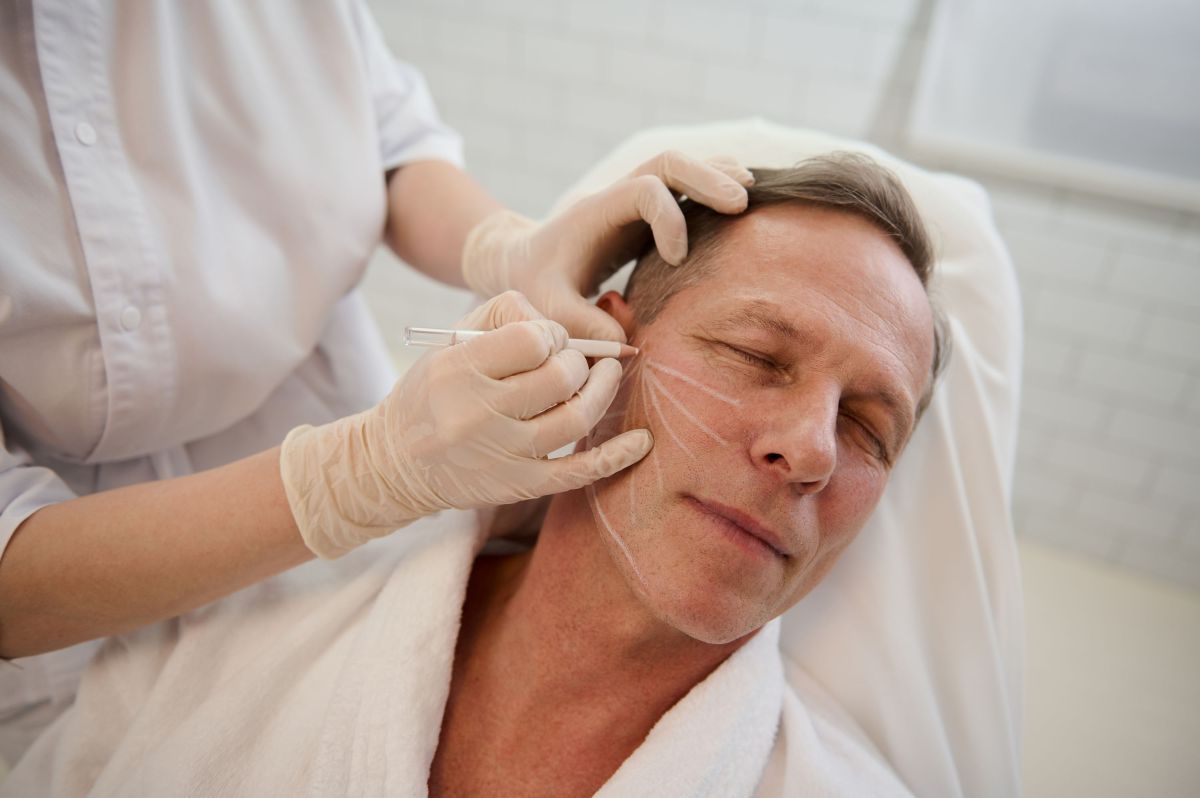
Facial rejuvenation techniques have taken massive leaps forward in the past decade. Earlier, surgical facelifts were pretty much the only way of seeing a significant change to ageing skin. Today, you don’t need to have surgery to see your face transformed. The volume, texture, and glow can all be improved, as though the clocks had been turned back, without the need for general anesthesia or long recovery periods. Better yet, these non-surgical options don’t irreversibly change your facial structure and provide a more naturally youthful look than traditional facelifts.
This article explores the most effective non-surgical facelift options available today, how they work, who they are best suited for, and how their results compare to surgical facelifts.
The reason surgical facelifts deeply change your appearance is that they lift and tighten the skin of your face, rebuilding a more youthful appearance. Smart facelifts can do the same thing, with non-surgical means, by making structural changes to the deeper layers of your face.
A criticism many people make of facelifts is that they can give the face a certain stiffness and make you lose your natural expressions. A major benefit of non-surgical “smart facelifts” is that they preserve the anatomy of your face, so you will have the same range of facial expressions as you ever had.
Rather than surgically tightening the skin, these methods rebuild the shape of the supporting layers underneath, which decline with age. At the same time, they make the skin on top more supple. Your appearance is drastically refreshed, but you still look like you.
Facelifts surgically pull at the skin to avoid the sagging look associated with aging. It doesn’t address the root causes of these shape changes. As we age, the skin produces less collagen and elastin, which help keep the skin supple and springy. The fat pads underneath the surface of our skin also shrink or shift downwards, leading to hollowness or sagging. Modern regenerative procedures fix these issues biologically, at a cellular level, rather than mechanically pulling on the surface of the skin.
Surgical facelifts require weeks of recovery and, like any surgery, come with inherent risks such as infection or reactions to anaesthesia. Non-surgical facelifts, such as stem cell therapies or PRP therapies, have long-lasting results but require little downtime.
There are many types of non-surgical facial rejuvenation treatments available today. All have structural and surface-level effects to make the skin look more youthful.

The most advanced, long-lasting, and effective facial rejuvenation treatment today is autologous stem cell therapy, where the patient’s own stem cells are injected into their face. These cells integrate into the skin and improve its function, restoring volume and helping the skin repair itself from within.
Stem cells are living cells that are capable of self-renewal and of differentiating into specialized cell types. They also communicate with surrounding cells, releasing signalling molecules that support the tissue’s activity and regeneration.
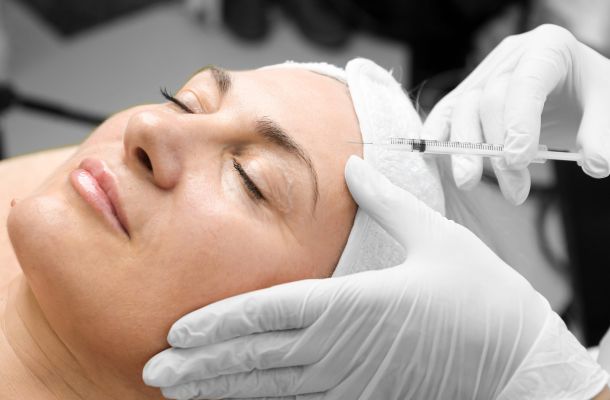
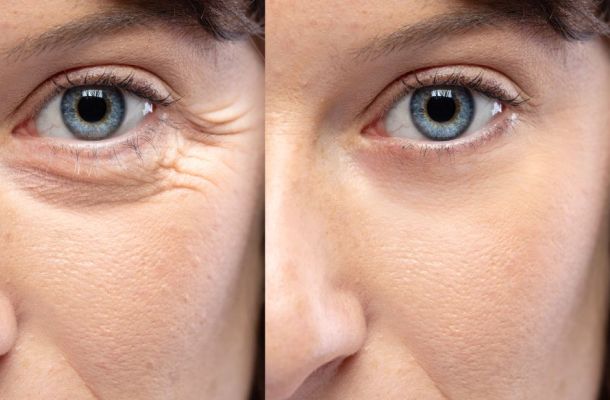
When injected into the face, stem cells help rebuild underlying skin structures. They stimulate the renewal of other skin cells, as well as collagen production and blood supply. These changes take effect gradually over several months, and the texture, volume, and resilience of your skin are naturally restored, as your face rebuilds itself from within.
While stem cell injections themselves are non-surgical, they do require a one-off procedure to extract cells, usually from fat tissue. This happens via a minor liposuction, where a thin tube is inserted through tiny incisions to suction out fat cells from your abdomen or thighs. It is performed under local anesthesia. Some people experience minor bruising at the extraction site, but in most cases, it requires little to no downtime.
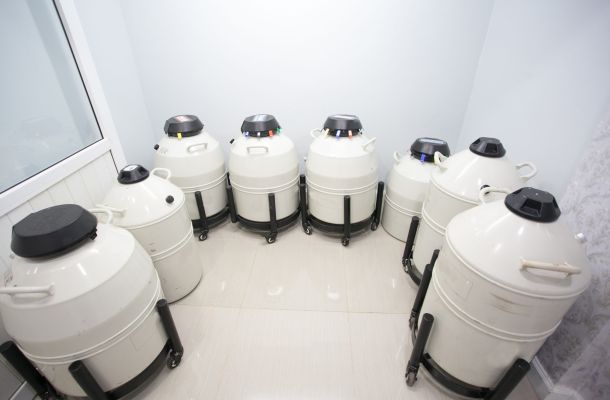
Once extracted, stem cells can be processed and stored for decades. They can then be used for multiple non-surgical facelift treatments depending on future needs.
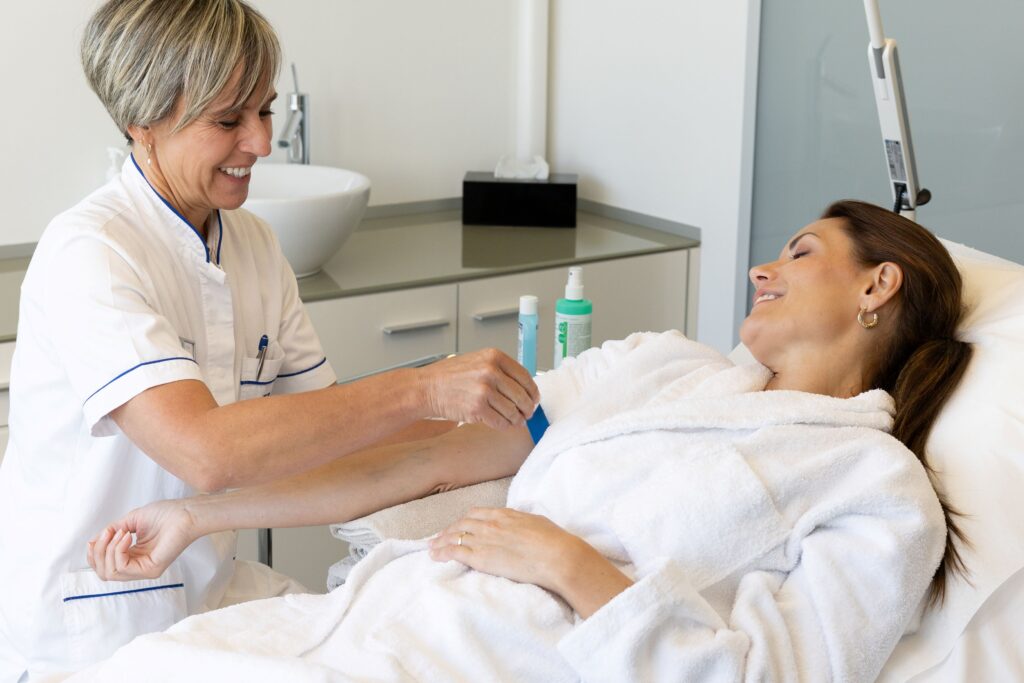
Sometimes nicknamed “vampire facials” because they use your own blood to give you the glow of youth, PRP and PRF treatments are well-established non-surgical facial rejuvenation treatments that are straightforward and safe.
PRP (Platelet-Rich Plasma) and PRF (Platelet-Rich Fibrin) are derived from a patient’s blood and contain growth factors in high concentrations. When injected into the face, they stimulate the production of collagen, improving the skin’s texture. They also support microcirculation (the flow of blood through the skin’s small vessels), giving a bright complexion.
PRP is made from blood spun at a high speed, and mainly contains red blood cells. PRF, on the other hand, is spun for longer at a slower speed, allowing more white blood cells and mesenchymal stem cells to remain in the mix. It tends to release growth factors more slowly and has longer-lasting and stronger effects.
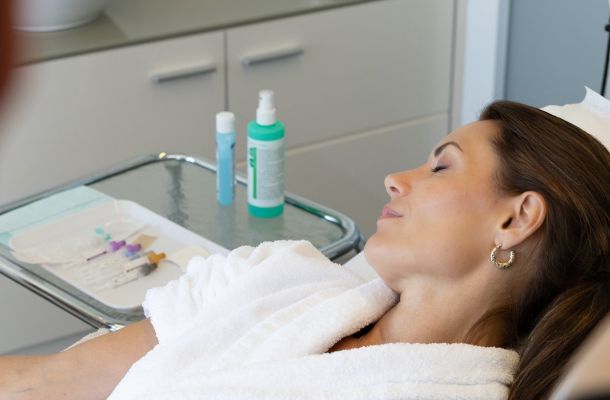
Both PRP and PRF treatments require no surgery, just a simple blood draw, like those conducted for routine tests.
The blood is processed in a laboratory to concentrate platelets and regenerative factors, then re-injected or applied with techniques such as microneedling. Little to no downtime is required; however, for the best effects, several sessions are recommended over the course of a few weeks.
Read this guide to understand the differences between PRP and stem cell treatments.
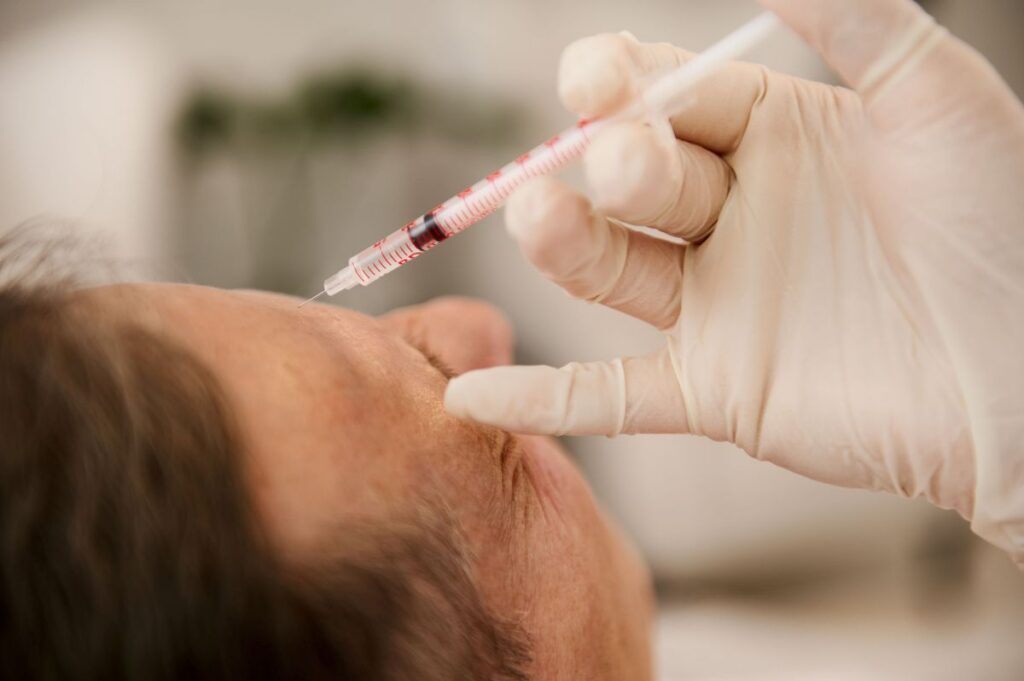
Exosomes are one of the most talked-about innovations in aesthetic medicine, and many creams and lotions now claim to contain the nanoparticles. Exosomes are little sacks that move between cells, carrying messages and biological material.
When applied to the face through microneedling or injections, they provide growth factors and signalling molecules that put the surrounding cells to work repairing and rejuvenating themselves.
Exosomes encourage skin cells to regenerate and to release collagen and elastin, both of which are good for skin texture. They give the skin a healthy, hydrated glow while making it more resilient and smoother.
Exosome treatments are often described as “lunchtime procedures” because they are so quick and non-invasive that you can book a session, then go back to your daily routine. Exosomes don’t require any cell harvesting and are administered by superficial injections or microneedling.
Read this guide to know more about the differences between Exosome and Stem Cell Injections.
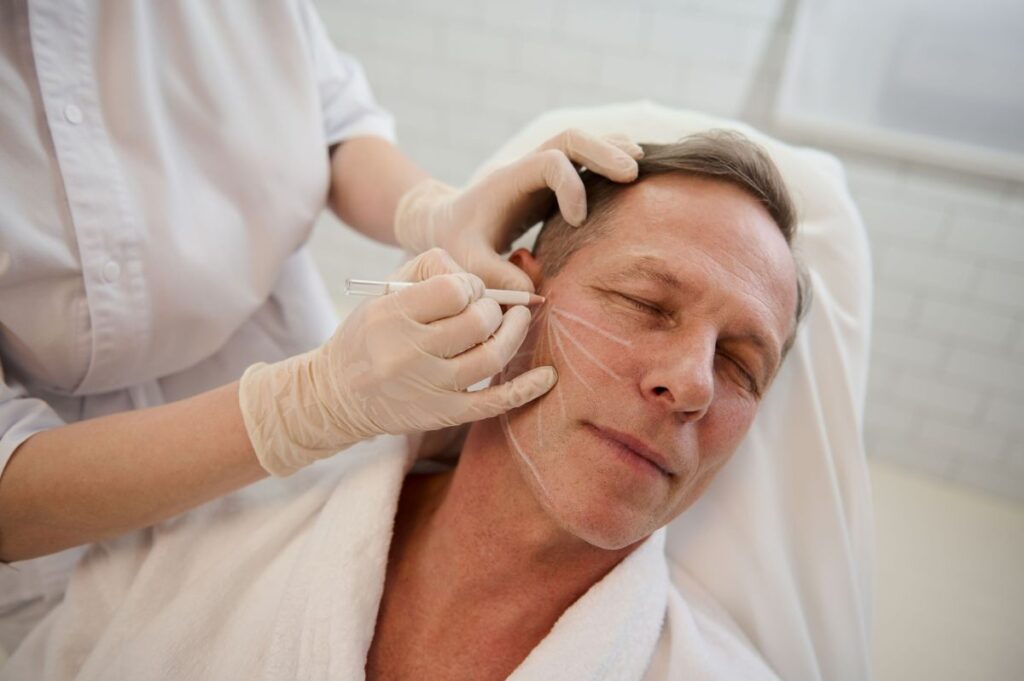
Tensor threads, or thread lifts, are a middle ground between injectable treatments and surgical facelifts. They are designed for patients who want lifting and tightening, without the hassle of surgery.
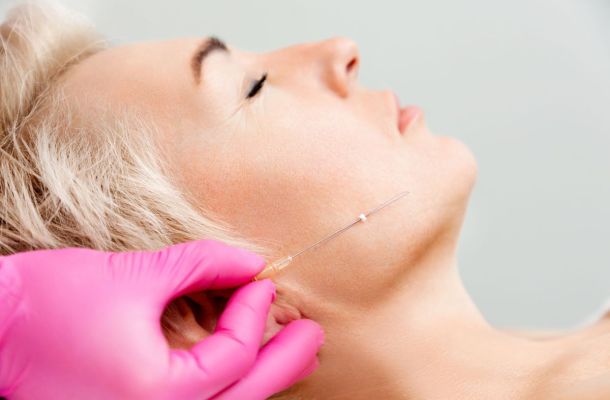
Tensor threads are biocompatible, resorbable threads that are inserted under the skin and used to gently reposition sagging tissues. They have an immediate lifting effect and, as the threads dissolve, they stimulate collagen production, improving the skin’s texture and firmness from within.
Thread lifts are inserted under local anesthesia using fine needles or cannulas. The process usually lasts under an hour and is much simpler than a surgical facelift, which requires general anasthesia, cutting, skin removal, and healing time. The downtime for tensor threads is considerably lower.
However, the scope of the two procedures is different. Threads tighten and support the face, whereas surgery provides permanent anatomical change.
There is no single “best” non-surgical facelift, only the best option for your goals, lifestyle, and tolerance for intervention.
Autologous stem cell therapy is ideal for patients thinking about the long-term. A single, minor fat extraction can provide enough regenerative material for multiple facial treatments over many years, and the effects are structural and long-lasting. Stem cell treatments restore volume and texture, improve skin health, and make the face more resilient to future damage.
PRP and exosomes suit patients who want regeneration without any harvesting procedure. These treatments improve skin texture, glow, and collagen stimulation. Results are progressive, rather than immediate, and maintenance sessions are required regularly to sustain the effects.
Tensor threads are best for patients seeking a quick, visible lift without recovery time. They instantly reposition sagging tissues, and as a bonus, stimulate collagen in the following months. They are a great option if you want quick, moderate improvements.
| Treatment | Main mechanism | Administration | Results | Longevity |
| Stem Cells | Cellular regeneration | Liposuction + injections | Total structural renewal | Up to 10 years |
| PRP/PRF | Growth factors | Blood draw + injections | Improved texture & “glow” | Up to a year |
| Exosomes | Cell signaling | Injections | Rapid healing & radiance | Up to a year |
| Tensor Threads | Mechanical lift | Set up under local anesthesia | Sculpted jaw & cheekbones | Up to 2 years |

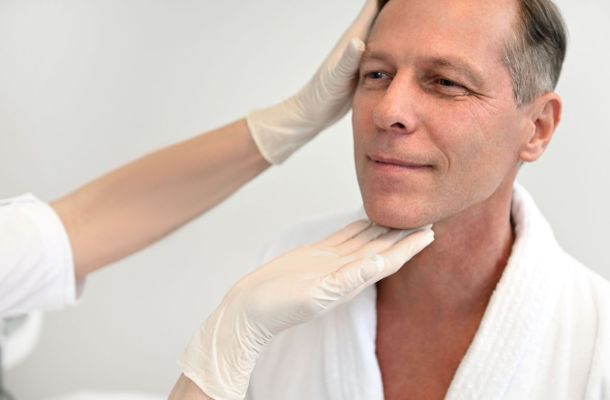
At Clinique Lémana, our non-surgical facial rejuvenation procedures are performed by clinical professionals in a medical-grade environment. Our head surgeon and nurses have an in-depth knowledge of regenerative medicine and will be able to discuss the best treatment for your goals and situation.
You’ll be hosted in a five-star hotel, where you can rest in luxury between procedures, overlooking the shimmering Lake Geneva.
We also provide stem cell storage solutions, so that you can preserve your cells and use them for regenerative procedures in the years or decades to come.
If you would like to find out more about our services and the best course of action for you, book a confidential consultation with Clinique Lémana. We’ll help find your ideal non-surgical facelift plan.