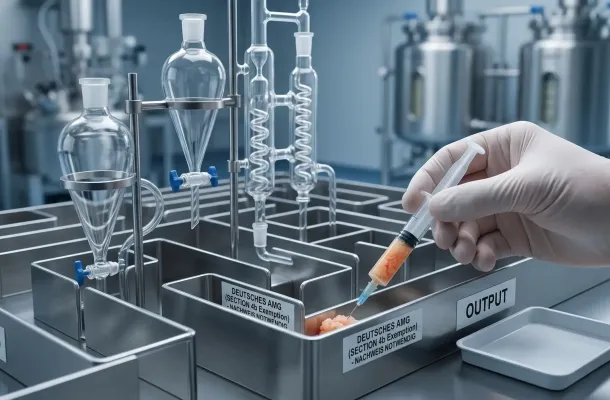
Stem Cell Therapies in Germany: What Is Legal vs What Is Not
Stem cell therapies are developing rapidly, but they are still at the cutting edge of aesthetic and regenerative medicine. That’s why the legislatio…



Putting a price on stem cell treatment isn’t as easy as for many cosmetic procedures. Unlike injectables that are priced per syringe or per session, facial stem cell treatments involve many stages: minor surgery to extract your stem cells, laboratory processing, medical administration of the treatment, and sometimes long-term stem-cell storage.
Because of this, the cost of facial stem cell treatment can vary widely from one country to another, and even from one clinic to the next.
In this article, we’ll break down the different elements that determine the price of a facial stem cell treatment and provide typical cost ranges in various countries. This guide will help you make sense of the numbers behind one of the most advanced anti-ageing treatments available today.
Facial stem cell therapies are an advanced procedure, at the cutting edge of aesthetic medicine. Because of this, they tend to come with a high price tag, although the actual cost and the value of what you are getting vary immensely between clinics.
In some parts of the world, particularly in the US, Mexico, or parts of Asia, stem cell–based facial injections are advertised in the $5,000 to $20,000 range. Many clinics offer quick procedures, with small extractions, minimal laboratory processing, and little to no follow-up. Cell banking, if offered at all, is usually separate.
In Switzerland, prices are higher, typically ranging from CHF 25,000 to CHF 50,000 and beyond ($30-60,000). This might seem steep compared to the offer in other countries, but what is being sold is not the same. Treatments in Switzerland have high medical and regulatory standards, and are often longer and more in-depth.

Swiss clinics treat facial stem cell therapy as a comprehensive program, not a one-and-done injection.
The higher price tag reflects this: it includes everything from extraction surgery to retrieve a good amount of stem cells, to quality laboratory processing, reinjection, and often long-term storage, so that you have access to your cells for future treatments.
Medical-grade settings, care, and follow-up of each stage of the procedure are built into the price.
Many Swiss clinics offer all-inclusive treatments, with accommodation in a luxury hotel and recovery support included. Patients don’t just come from an appointment and then get left to their own devices.
They stay on-site for several days, so the body can recover properly, with wellness treatments and medical staff on-site if needed. This makes the process enjoyable and luxurious, rather than just a chore.
Many patients also chose to undergo other treatments during their stay at a Swiss clinic. Stem cell facial treatments work very well with more temporary procedures, like hyaluronic acid dermal fillers or platelet-rich plasma (PRP) therapy.
The clinic’s medical staff can guide people on what the best course of treatment is.
The cost of facial stem cell treatment depends on a number of medical and technical factors. Understanding what drives the cost helps explain why prices vary so widely between clinics and countries.
Stem cells can be collected from different sources, and how easy or difficult the extraction is is a major factor in the price.
Fat tissue is the most commonly used source for aesthetic treatments because it is rich in stem cells and is easy to collect. Bone marrow extraction is far more invasive, medically complex, and costly, which is why it is rarely used for cosmetic purposes. See the differences between these two methods here.
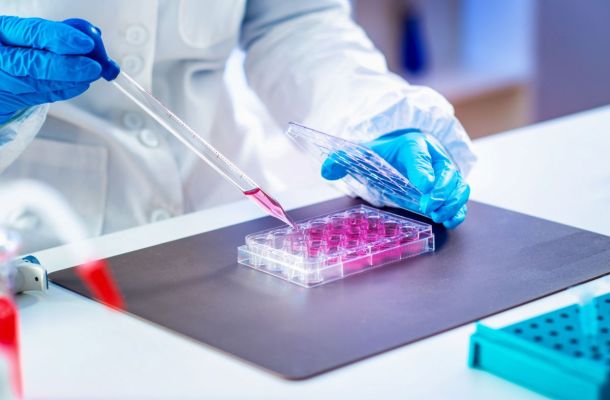
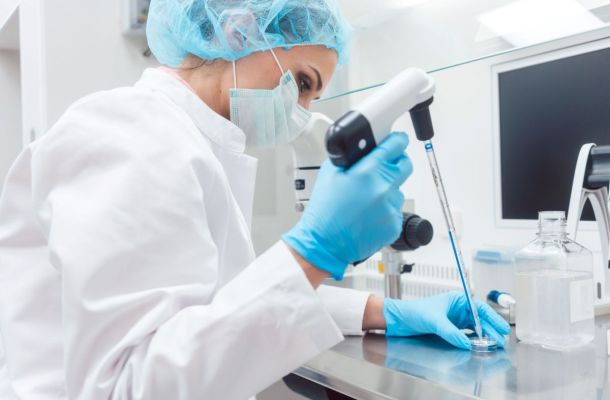
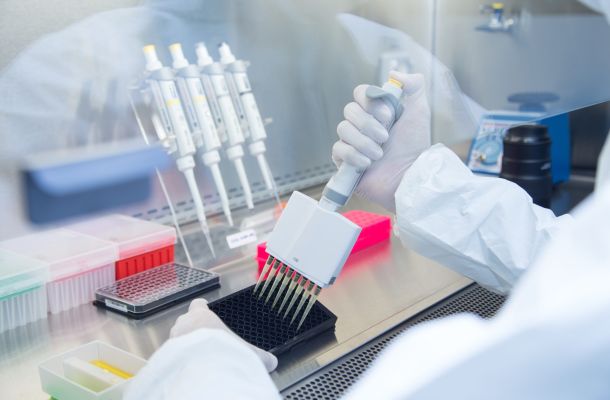
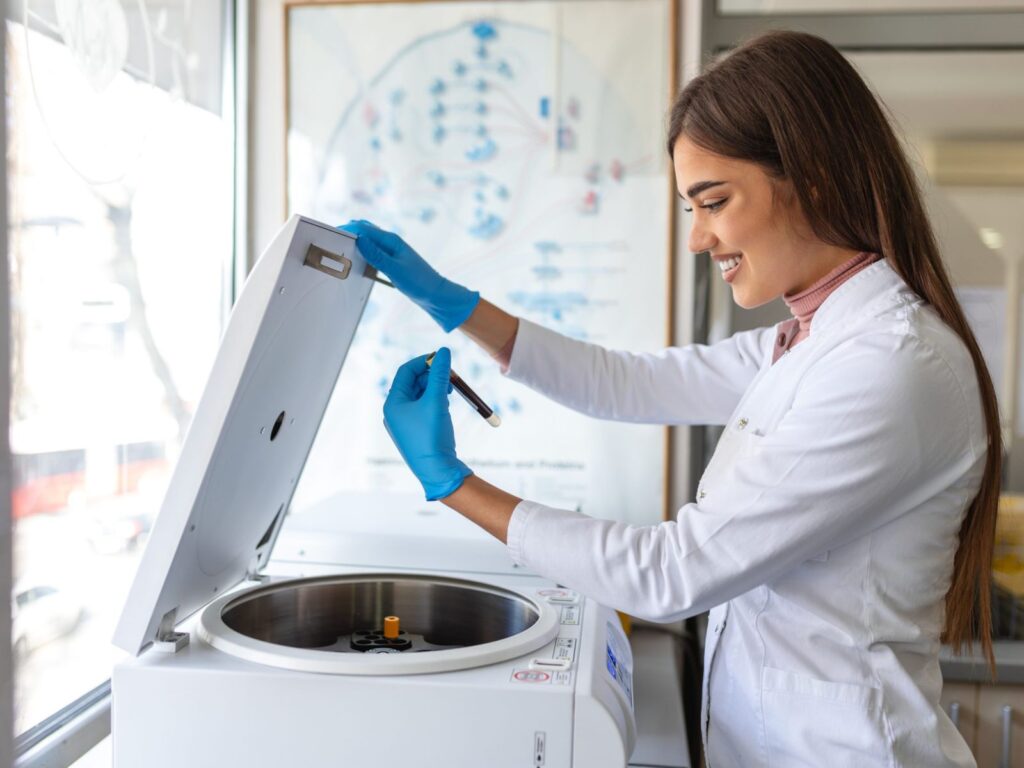
Once extracted, stem cells need to be processed in a specialized laboratory to make them suitable to be reinjected. Laboratories operating under Swiss GMP (Good Manufacturing Practice) standards do this in sterile rooms, with strict controls and highly trained personnel.
The higher-quality processing helps preserve the stem cells, meaning a more efficient procedure, but it also increases cost compared to loosely regulated lab work.
More advanced laboratories use better techniques that preserve a higher number of living stem cells. This means that the injection is of better quality, with a higher quantity of stem cells.
Clinics that work with the best laboratories often charge more for procedures due to these higher operating costs.
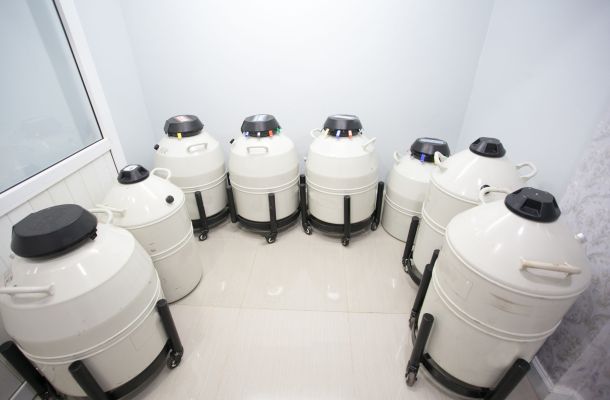
If you plan to store your stem cells, that adds an additional cost. Long-term cryopreservation requires specialized facilities, with ongoing monitoring, and storage plans can last for decades.
The upfront cost can be high, but for many patients, it is a sort of biological insurance, banking their stem cells to use in future treatments without repeating the extraction process.
The cost of treatments in Switzerland may be higher than in other countries, but with that price tag comes a quality of care and regulatory framework that few places can match.
Aesthetic procedures in Switzerland are governed by rigorous regulations. They must adhere to GMP standards and are overseen by Swissmedic.
Clinics are legally obliged to meet high standards for the sourcing and processing of biological materials, as well as for patient safety. There are frequent inspections to ensure compliance. Following and documenting adherence to these regulations comes with high operational costs, which are built into the price of treatment, but are also reflected in the quality of care.
In reputable Swiss clinics, cosmetic procedures are performed by board-certified physicians and medically trained specialists rather than non-medical estheticians.
At Clinic Lemana, for example, our team of medical professionals specializes in regenerative medicine and injectable techniques. Their expertise comes at a premium, but it significantly reduces risks and gives you the great results you deserve.
Switzerland is internationally known for its culture of confidentiality. Clinics are designed to offer a discreet experience, where your privacy and data are respected.
They take on only a small number of patients, so as to provide excellent, personalized care. This level of exclusivity requires additional staffing and extra costs, but improves the patient experience.

Stem cell treatments are not priced as a single injection, but as a comprehensive wellness programme. At Lemana, that includes medical-grade cosmetic procedures, round-the-clock care, and a stay in a luxury environment.
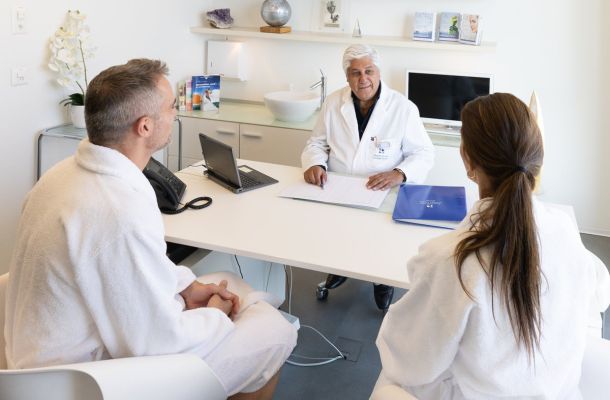
At the core of our Stem Cell Treatment is the medical procedure. This starts with consultations with doctors to ensure suitability for the treatment and discuss medical history.
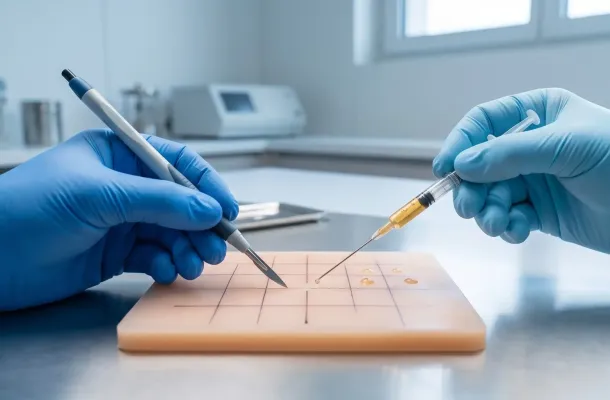
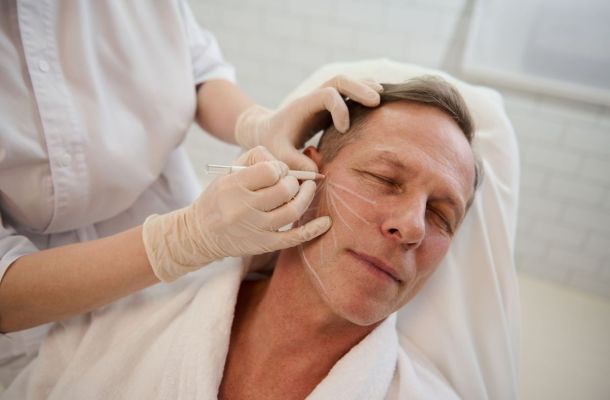
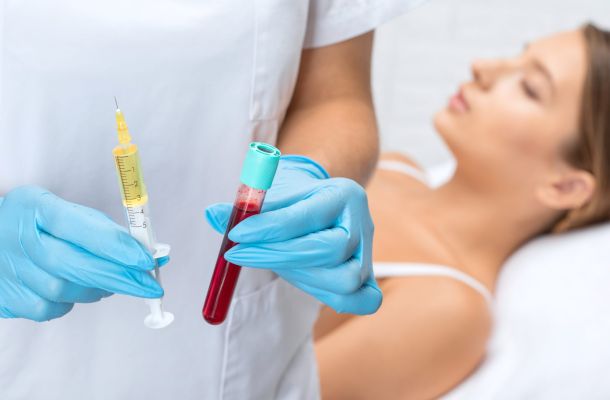
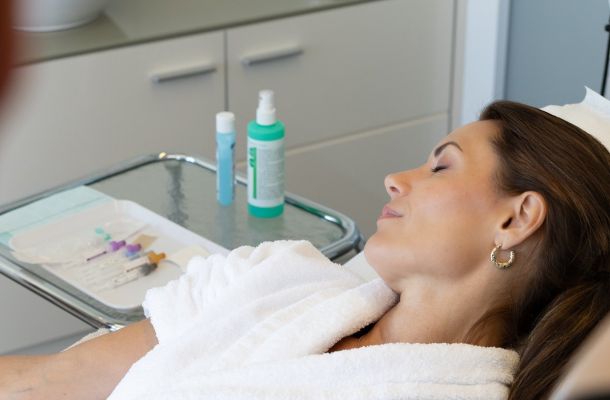
The patient then undergoes the extraction, where their fat is harvested, usually from the thighs or stomach. This is a minor surgery, performed in a medical-grade setting under local anesthesia.
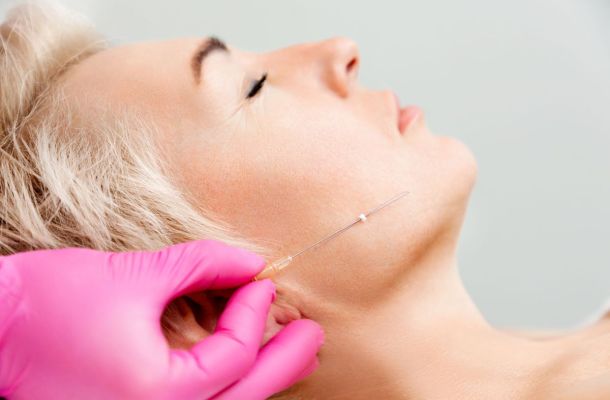
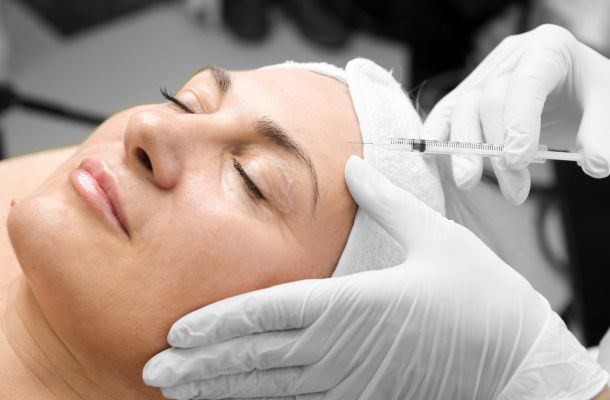
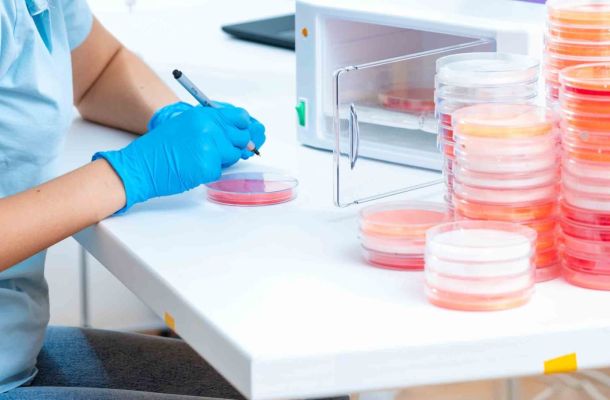
The extracted cells are then processed in laboratory, under GMP standards, to ensure a maximum of viable stem cells. Once the extract is ready, it is injected into the patient’s face by our chief physician.
The medical infrastructure and personnel represent the lion’s share of the overall cost

Unlike standard cosmetic procedures, Swiss stem cell therapies are designed as short revitalisation retreats.
The price includes accommodation in the 5-star Le Mirador Resort & Spa, which overlooks Lake Geneva, and has a 1,750 m² wellness area that patients can enjoy in their downtime and during their recovery.
This setting helps patients relax, reducing their stress and giving them the perfect space to recover from their treatment, all of which supports the body’s regenerative response.
Clinic Lemana’s Stem Cell Facial Treatment follows a three-step protocol for the recovery phase.
First, in-depth medical check-ups and assessments are carried out to make sure the patient is healthy and well after the procedure.
Second, a dedicated relaxation phase is built into the program, allowing the body to respond to the treatment without external stresses.
Finally, post-procedure monitoring and follow-ups are included in the treatment, so that our medical team can track the results of the procedure.
This extended medical supervision is a key reason Swiss programs are priced higher than quick injection-based alternatives in other countries.
Many patients choose to combine their stem cell extraction with complementary treatments, such as polynucleotide injections, PRP, skin rejuvenation therapies, or preventative wellness programs.
Since stem cell treatments can take several months to have visible effects as they rebuild your skin’s resilience under the surface, they are very compatible with shorter-term surface-level treatments, and many patients make the most of being on site at the clinic to schedule various appointments.
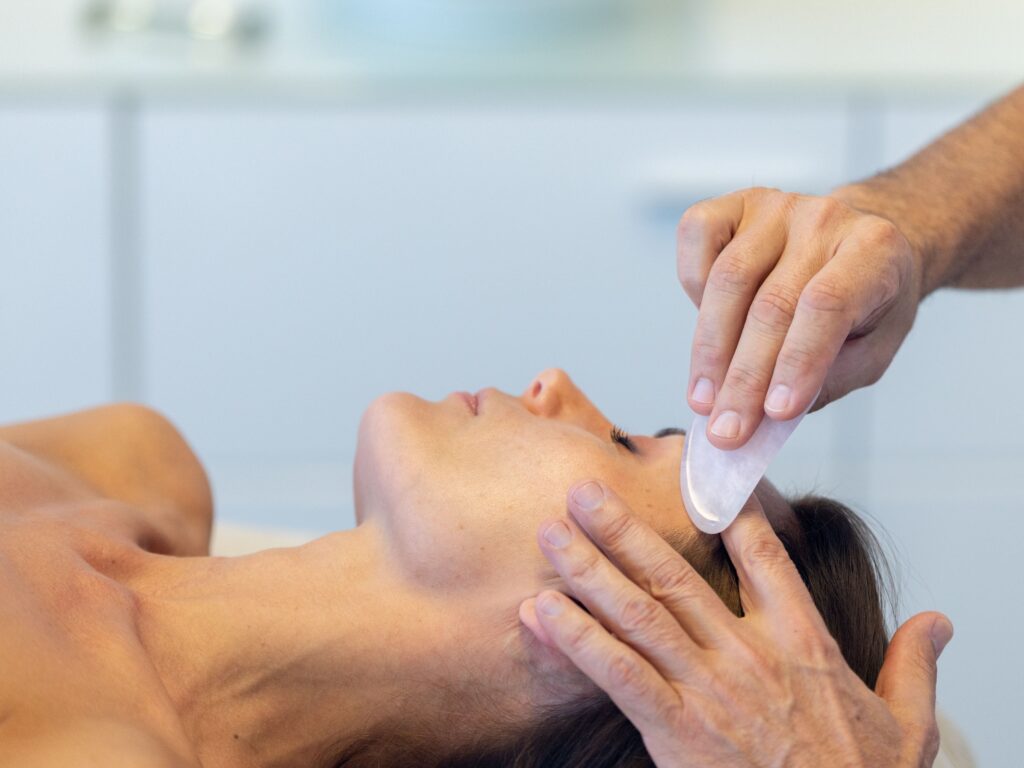
When considering the cost of cosmetic procedures, it is important to look beyond the initial price tag at the long-term value of a treatment. Stem cell therapy is often compared to fillers, injectables, or surgical facelifts, but these approaches have effects that last a few months, as opposed to years.
Traditional aesthetic treatments rely on repetition. Fillers typically need to be refreshed every 6 to 18 months, and even surgical facelifts come with finite results that can fade as the skin continues to age. Over a decade, the cost of these recurring interventions can add up.
Stem cell therapy, by contrast, is a regenerative procedure that improves skin quality at a cellular level, reducing the need for frequent maintenance procedures. The visible effects can last for years or even decades.
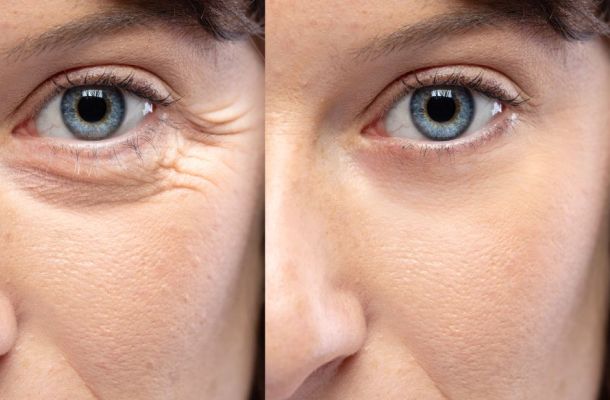
Fillers and injectables work by adding volume or tightening tissue, effectively masking visible signs of aging. Stem cells function differently. They rebuild the skin from the inside, stimulating collagen production and improving the skin’s resilience. Rather than temporarily hiding wrinkles or softness, stem cell therapy improves the skin’s ability to regenerate itself. This means that the results are natural-looking and long-lasting.
One of the most important aspects of stem cell therapy is the possibility of banking your stem cells. By storing stem cells extracted at a younger biological age, patients preserve a precious resource that can be used in future treatments.
While stem cell banking adds to the initial price, it reduces the need for repeat extractions and lowers the cost of future stem cell treatments, so you get more value overall out of the process.
The cost of a stem cell treatment for skin ranges from $5,000 to over $50,000. Pricing depends on the country, extraction method, laboratory standards, and whether the treatment is a simple injection or a comprehensive medical program.
No. Facial stem cell treatments are considered elective and aesthetic procedures, so they are not covered by health insurance. All costs are paid privately, including extraction, processing, injections, and any associated accommodation or medical supervision.
Stem cell banking usually costs several thousand dollars upfront, plus annual storage fees. Prices vary based on the number of cells stored and storage duration.
In the short term, fillers and injectables are cheaper than stem cell injections. However, since they require frequent maintenance, they can end up costing more in the long term.
Costs can be brought down by choosing less complex extraction methods, using laboratories that skip the cell expansion stage of processing, or opting out of stem cell banking. However, these choices may impact the results and reduce the long-term value of the procedure.
Most experts recommend extracting stem cells earlier rather than later, ideally in your 30s, 40s, or 50s. Cells harvested at a younger biological age tend to be more viable and have more regenerative potential.