Stem Cell Therapies in Germany: What Is Legal vs What Is Not
Stem cell therapies are developing rapidly, but they are still at the cutting edge of aesthetic and regenerative medicine. That’s why the legislatio…



Stem cell extraction is the first step in many facial rejuvenation treatments, and while it might sound intimidating, it’s a safe and straightforward process.
A medical professional performs a minor procedure to collect stem cells from areas of your body where they are most abundant. These cells are then prepared for reinjection into areas you’d like to rejuvenate, helping your skin repair and renew itself naturally.
In this article, we’ll guide you through what happens at Clinique Lémana, from the types of stem cells used to the extraction process itself, so you’ll know exactly what to expect and feel more at ease with each step.
While stem cells exist throughout the body, the three most commonly extracted for medical and cosmetic use come from fat tissue, bone marrow, or blood.
The most commonly used stem cells for aesthetic treatments are adipose-derived stem cells, which come from fat tissue. They are usually collected from areas like the abdomen, hips, or thighs. The extraction is quick, minimally invasive, and generally well tolerated.
Collected directly from the bone, these stem cells have a very powerful ability to regenerate and repair tissues. However, their extraction requires a more invasive procedure. Recovery can be longer, and the process is not commonly used for aesthetic treatments.
More rare in adult treatments, these stem cells are harvested from the umbilical cord or from the placenta. They have strong regenerative potential, but their use in aesthetic procedures is limited and strictly regulated for ethical reasons.

Stem cells extracted from fatty tissue offer several major advantages when it comes to routine aesthetic treatments:
Fatty tissue is an exceptionally rich source of stem cells. This abundance makes it an ideal source for rejuvenation treatments.
Collecting stem cells from fat is minimally invasive, quick, and causes little discomfort, making the procedure much easier for patients.
Because these are your own cells, your body is very unlikely to reject them, which increases the safety of the treatment.
Fat tissue extraction is generally preferred by regulatory bodies because it carries fewer risks and avoids ethical complications, making it the standard choice for aesthetic procedures.

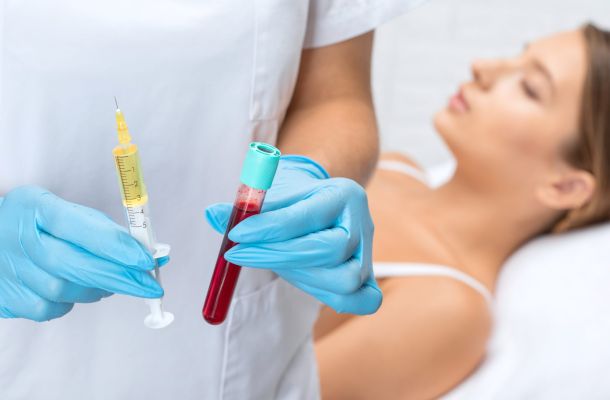
At Clinique Lémana, the stem cell facial rejuvenation treatment always begins with a full medical check-up. During this consultation, specialists assess your overall health and make sure you’re a good candidate for the procedure. They review your medical history and conduct blood tests. This step ensures the extraction can be carried out safely.

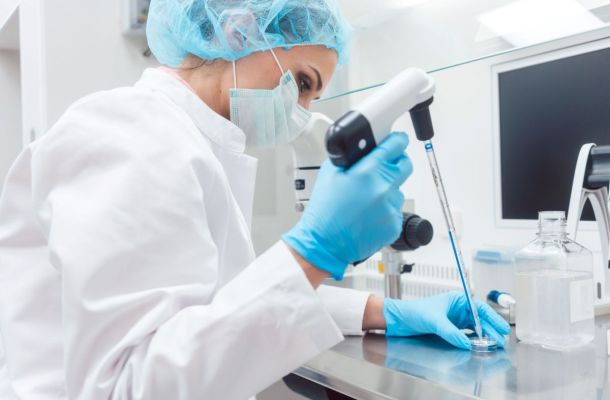
During this stage, fat is carefully harvested from a predetermined area of your body, such as the abdomen, hips, or thighs. Your clinician will talk through your preferences with you, and the extraction can be performed with local or general anesthesia, depending on what you’re most comfortable with. The collected fat is then processed in our specialized laboratory, where stem cells are isolated and prepared for reinjection.
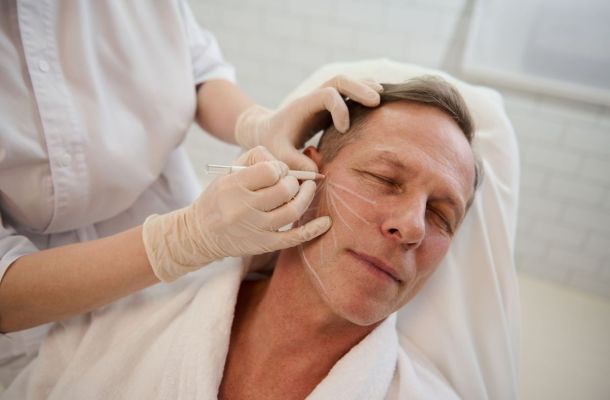
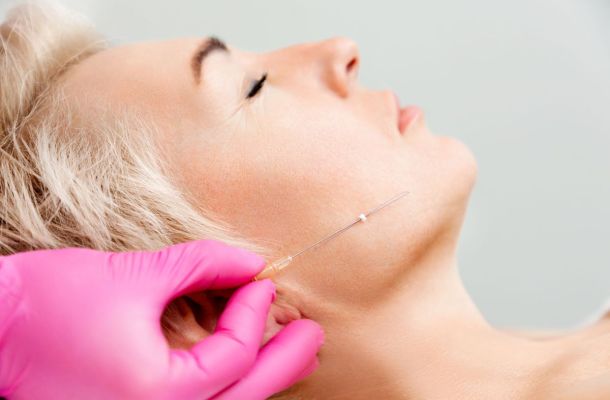
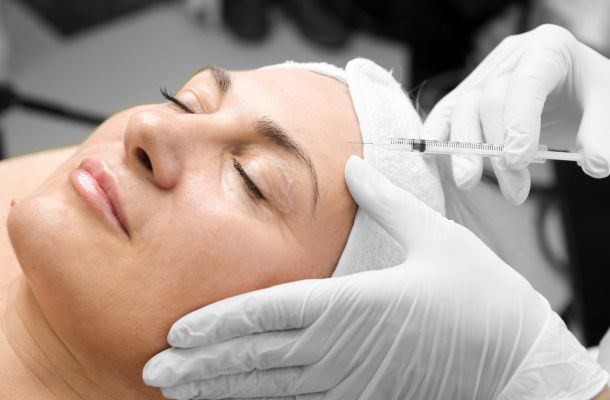
Once prepared, the cells are injected into the chosen areas, such as the face, neck, or décolleté, using fine micro-cannulas.

Our team monitors your recovery and provides guidance to help you get the best results from your treatment.
We’ll also check in regularly after you have left the clinic to make sure everything is healing as expected and answer any questions that come up along the way.
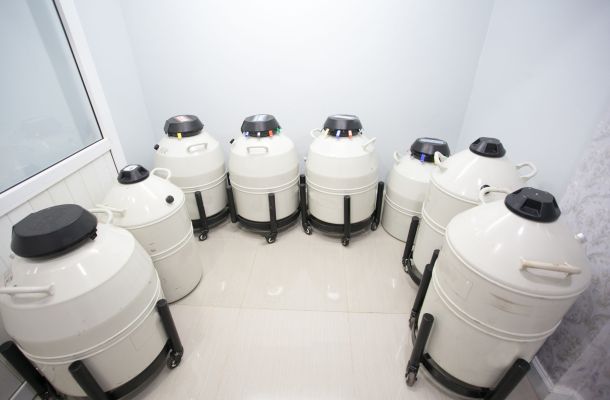
Keep in mind that you can extract your stem cells once and store them for future injections. This means that you can have additional rejuvenation treatments without undergoing another surgery. In fact, once stored, your stem cells can be reinjected for up to 30 years after the initial procedure.
Although stem cell extraction is generally considered safe when performed by experienced medical professionals, it still carries certain risks that patients should be aware of.
As with any surgical procedure, there is a potential risk of infection. Clinics like Clinique Lémana take strict hygiene measures to minimize this risk, but patients should always be aware that bacterial spread is possible around the extraction site.
Whether the procedure is performed under local or general anesthesia, there are minor risks associated with anesthesia itself. Our anesthesiology team ensures careful monitoring throughout the procedure to keep these risks as low as possible.
Minor bleeding, bruising, or the formation of a hematoma can occur at the site where fat is harvested. These are generally temporary and resolve naturally with proper post-operative care.
Using your own stem cells (autologous) makes immune reactions extremely rare. However, reactions are more common with non-autologous cells, which are not used in Clinique Lémana’s aesthetic procedures.
The success of a stem cell treatment depends heavily on how well the cells are collected and handled. If they’re not processed correctly, their quality can drop, which can affect your final results. At Clinique Lémana, the laboratory team follows strict, high-precision protocols to keep the cells as healthy and effective as possible.
Several types of stem cells can be extracted for use in rejuvenation treatments. The main ones are fat-derived stem cells, bone marrow stem cells, and, less commonly, stem cells from the umbilical cord or placenta.
For facial rejuvenation, fat-derived stem cells are the most common. They’re abundant, easy to harvest, and well tolerated by the body, making them a favorite for aesthetic treatments.
Most patients find the procedure quite manageable. It can be done under local or general anesthesia, depending on your preference, so any discomfort is minimal.
The extraction itself is fairly quick: usually under an hour for fat harvesting. Preparing the stem cells for reinjection takes a bit more time in the clinic’s lab.
Stem cells can be safely stored for many years. This means you can have future treatments without going through another extraction, making ongoing rejuvenation much easier.
The younger the better. Your 20s are when your stem cells will have their maximal potential. 30s and 40s are a good sweet spot for most people. Read our dedicated article for more information.