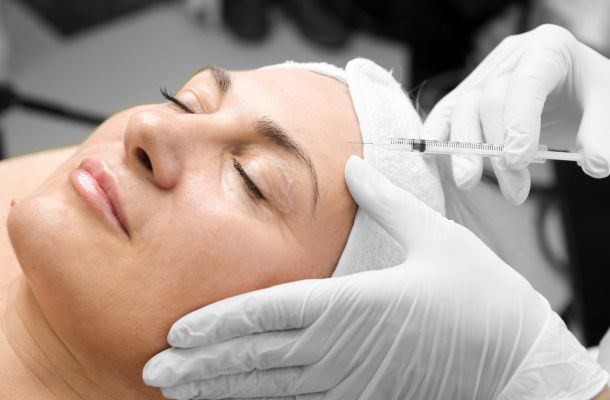
Stem cells are found in almost all tissues of our bodies, although not in the same amounts or with the same abilities. For use in regenerative and medical procedures, they are collected from two main sources: fat tissue (adipose stem cells) or bone marrow.
Both contain powerful stem cells and have a strong body of research proving their efficiency. However, how they are harvested, how abundant they are, and the roles they play in skin rejuvenation or treating diseases differ between the two sources.
This article will provide an in-depth look at the procedures and uses for both adipose and bone marrow stem cells, to give you a clearer understanding when considering a treatment.
Mesenchymal Stem Cells (MSCs): The Body’s Repair Kit
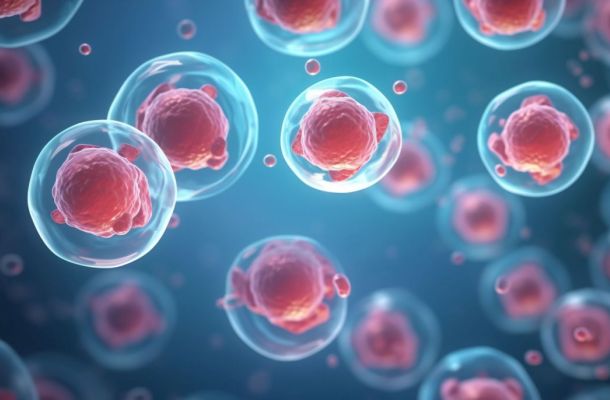
Mesenchymal stem cells, or MSCs, are stem cells found in multiple tissues of the adult body, including bone marrow and fat. They are sometimes described as the body’s repair kit because of their ability to self-renew and repair tissues.
What Are MSCs? Differentiation and Cellular Intelligence
Two properties set mesenchymal stem cells apart. First, they can differentiate, meaning they can transform into specialized cells such as bone, cartilage, or fat, depending on what parts of the body need repair. Second, they release biological signals that encourage healing in other cells.
The Ability to Become Bone, Cartilage, and Fat
MSCs are multipotent, meaning they differentiate into a selected range of specialized cell types. Under the right conditions, they can turn into bone cells, cartilage cells, muscle cells, or fat cells. In clinical settings, they can be used to replace or support ageing cells, taking on the role needed in specific locations. Examples of this include the use of stem cells for skin rejuvenation and in orthopaedics, where they are used to address arthritis and cartilage issues.
The Paracrine Effect: How MSCs Direct Repair
Perhaps even more important than differentiation is what scientists call the paracrine effect, through which MSCs influence their surrounding environment via biological signals. MSCs release growth factors, cytokines, and other signalling molecules that trigger responses in nearby cells. These signals can encourage cells to increase growth or division, reduce inflammation, enhance tissue repair, or alter protein production.
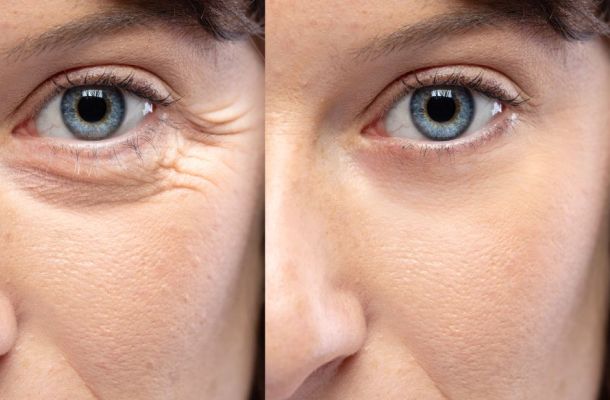
In the case of skin treatments, studies have shown that MSC-derived signals stimulate collagen and elastin production, which can contribute to better skin texture and elasticity.
The Two Primary Sources: Adipose (Fat) vs. Bone Marrow
For clinical use, MSCs are, in general, harvested either from fat tissue or bone marrow. Adipose tissue is rich in MSCs and easier to access. Bone marrow has historically been used in more medical contexts and requires a more invasive procedure.
Umbilical Stem Cells: Potent but Rarely Used
Stem cells from the umbilical cord are known to have an exceptional regenerative potential, but they are primarily used in medicine or research. Due to strict regulations and ethical considerations, they are not used in aesthetic medicine, particularly in highly regulated environments such as Switzerland.
The Extraction of Fat vs. Bone Marrow Cells: A Mini-Lipo vs. Bone Aspiration
Both adipose tissue and bone marrow are rich sources of mesenchymal stem cells, but the extraction processes are very different.
Adipose Stem Cell Extraction: Minimally Invasive with High Patient Comfort
Adipose-derived stem cells are collected from fat tissue, where they are particularly abundant. This makes fat one of the most efficient and patient-friendly sources of stem cells in aesthetic and regenerative medicine.
The Mini-Liposuction Procedure Can Be Done Under Local Anesthesia
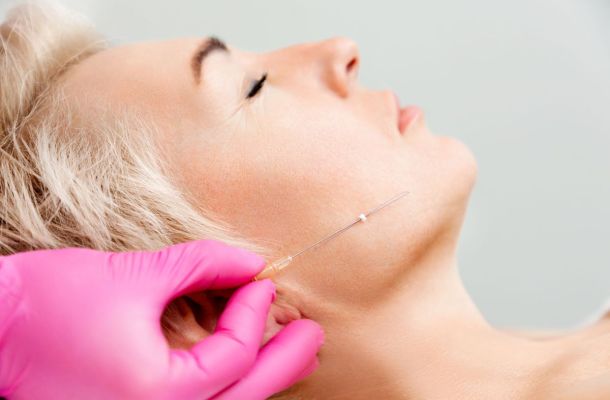
The extraction is performed through a small-volume liposuction, often referred to as a “mini-lipo.” It typically takes place under local anaesthesia, sometimes with light sedation, and involves only a few tiny incisions. For most patients, the procedure is well tolerated, with only mild soreness at the extraction site.
A 2-in-1 Approach: Contouring While Harvesting Stem Cells
Adipose tissue is usually collected from areas like the abdomen or thighs. For some patients, this can result in a subtle contouring effect, with the removal of fat giving a small aesthetic benefit as well as providing stem cells for regenerative applications.
Bone Marrow Stem Cell Extraction: A More Invasive Surgical Procedure
Bone marrow has long been used as a stem cell source in medical settings, particularly in orthopaedics and haematology. However, the extraction process is more invasive and demanding for the patient.
Bone Marrow Cell Extraction Involves Aspiration from the Iliac Crest
Bone marrow stem cells are obtained through aspiration, usually from the iliac crest (the upper part of the hip bone). This involves inserting a large needle directly into the bone to draw out marrow, usually under general or local anaesthesia
Higher Risk of Pain, Discomfort, and Infection
Compared to fat extraction, bone marrow aspiration comes with more post-procedural pain and a longer recovery period. As it is a deeper and more invasive procedure, it also carries a higher risk of infection and complications, so it is less appealing for elective treatments.
Cell Count and Potency: The “Numbers Game” in Favour of Adipose Stem Cells
Stem cell therapy is very much a numbers game. The more vital stem cells injected, the more effective and durable the results will be. In terms of cell count, adipose tissue is the clear winner compared to bone marrow.
Adipose Tissue Contains 500× to 2,500× More Stem Cells
Adipose tissue is one of the richest sources of mesenchymal stem cells in the adult human body. Gram for gram, fat contains hundreds to thousands of times more stem cells than bone marrow, so you get a much bigger yield from a small extraction.
Why Raw Stem Cell Volume Matters for Effective Treatment
A higher initial stem cell count increases the likelihood that enough active cells will survive and play a regenerative role in their new environment. More viable cells mean stronger signalling and better integration in the surrounding tissue. If the cell volume is too low, effects may be limited or less consistent.
Adipose Stem Cells Avoid the Need for Immediate Culture Expansion
Fat tissue naturally provides such a high concentration of stem cells that there is often no need for an aggressive laboratory cell expansion phase. This lowers processing time and aligns with some regulations around cosmetic procedures. In Switzerland, for example, stem cell–based aesthetic treatments using a patient’s own cells are permitted only when the cells remain unaltered, meaning they are not expanded or substantially manipulated in the lab before reinjection.
Adipose Stem Cells Show Less Senescence (Cellular Aging)
Another benefit of adipose stem cells is that they may be slower to age than bone marrow stem cells, which lose cellular function at a faster rate.
Greater DNA Stability in Fat-Derived Stem Cells
Research suggests that adipose-derived stem cells are more genetically stable and less prone to cellular stress than bone marrow-derived cells. This means they remain functional for longer, and also respond more predictably once reinjected.
Why Adipose Is Preferred for Long-Term Stem Cell Banking
This delayed senescence (cellular aging) for adipose-derived stem cells presents a clear advantage for those considering stem cell banking. They are more likely to remain viable and effective after years in storage, and when thawed for future use.
Best Use Cases: Which Type of Stem Cell for Which Therapy?
Different applications call for different types of stem cells, as their source affects their quantity and efficiency.
For Skin and Anti-Aging Therapies: Adipose Stem Cells Are the Gold Standard
In aesthetic medicine, adipose-derived stem cells are the preferred option because of how easy they are to extract and how abundant they are.
Volumizing Potential: Restoring Facial Fat Pads
While attention is often focused on visible wrinkles, volume loss in the face is one of the biggest signs of ageing. Adipose stem cells are particularly good at restoring depleted facial fat pads, helping redefine the youthful contours of your face in a way that looks natural.
Skin Quality: Boosting Collagen and Angiogenesis
Adipose stem cells also significantly improve skin quality. Through their paracrine signalling, they stimulate collagen and elastin production and promote angiogenesis (the formation of new blood vessels). This leads to more radiant and resilient skin.
For Orthopaedics (Joints): Bone Marrow’s History vs. Adipose Efficacy
In orthopaedic applications, bone marrow has traditionally been the go-to source of stem cells, particularly for cartilage and joint repair. However, this is evolving as new research shows the benefits of adipose stem cells.
Bone Marrow Was the Traditional Choice for Cartilage Repair
Bone marrow-derived stem cells have long been used in orthopedics. They were seen as an obvious fit as they came from the bone, and could readily differentiate into osteoblasts (bone) and chondrocytes (cartilage). However, recent studies suggest adipose-derived stem cells may actually be a better choice.
Growing Evidence in Favour of Adipose Stem Cells
Adipose stem cells may be just as effective, or even more so, for the treatment of knee and hip osteoarthritis. Just like in cosmetic treatments, they benefit from a higher cell yield and lower senescence. The easier process of extraction can also better suit more vulnerable or older patients.
Banking Your Stem Cells for the Future: Strong Arguments for Adipose Cells
Both adipose tissue and bone marrow can be cryogenically stored; however, there are many clear arguments in favor of adipose-derived stem cells for long-term storage.
The Advantage of Banking Adipose Cells
Adipose tissue is particularly well-suited for stem cell banking thanks to its abundance of viable cells and the simplicity of the extraction process.
Storing “Young” Cells from a Single Liposuction
A single mini-liposuction can yield a very high number of mesenchymal stem cells, often enough to create multiple doses that can be cryopreserved. This makes it easier to bank your cells at a younger biological age and use them for future medical or cosmetic treatments.
Using Banked Cells for Future Anti-Aging Top-Ups
Once stored, these cells can be thawed and used for years, or even decades. You could do maintenance cosmetic treatments or undergo regenerative protocols that don’t even exist yet. This makes adipose stem cell banking an investment in your future health, and a way of keeping your options open by preserving biologically “youthful” stem cells.
The Limitations of Banking Bone Marrow
Bone marrow stem cells remain valuable in certain medical contexts, but there are obstacles when it comes to storing them for future use.
Lower Cell Yield Reduces Storage Efficiency
Bone marrow extraction usually provides a far lower number of stem cells than adipose tissue. This means that fewer viable cells can be stored after one extraction, and you may need to undergo several procedures, or laboratory expansion, to acquire enough to use for future treatments.
For this reason, adipose-derived cells are the preferred choice for stem cell banking and long-term regenerative programs.
Summary: Why We Use Adipose-Derived Stem Cells for Our Facial Treatments
At Clinique Lemana, adipose-derived cells are the foundation of all our facial stem cell treatments because they are safe, efficient, and easy to store.
Adipose Stem Cells Maximise Yield From a Single Extraction
Fat tissue contains a naturally high concentration of mesenchymal stem cells. A single minimally invasive extraction can provide enough for several injections, whether now or in the future.
No Cell Manipulation, Full Compliance With Swiss Regulations
Swiss regulation states that for cosmetic use, only non-manipulated stem cells can be used. This is possible with adipose tissue because its high concentration of stem cells means that no laboratory expansion is necessary. Using adipose stem cells aligns our procedures with Switzerland’s strict regulations, which are designed to keep patients safe.
Ideal for Banking: Preserve Your Stem Cells for Up to 30 Years
Clinique Lemana also offers stem cell storage for up to 30 years, and adipose-derived stem cells are the best suited for long-term cryopreservation. After a single extraction, you have a stock of stem cells to use for future treatments, whether you want to undergo further cosmetic treatments in our clinic or medical treatments elsewhere.
Frequently Asked Questions About the Differences Between Adipose and Bone Marrow Stem Cells
What Are the Differences Between Adipose and Bone Marrow Stem Cells?
Adipose and bone marrow stem cells come from different sources: adipose stem cells are extracted from fatty tissue via a mini-liposuction, while bone marrow stem cells come from the bone marrow via an aspiration procedure through the hip bone. They also have different characteristics. Adipose tissue contains far more cells, which are more resistant to senescence (cellular aging).
Which Is the Most Efficient Between Bone Marrow and Adipose Stem Cells?
Adipose-derived stem cells are considered more efficient because a single extraction provides a much higher cell count, and because studies show that adipose-derived stem cells are slower to age than bone-marrow-derived ones.
Which Type of Stem Cells Is Usually Used in Aesthetic Medicine?
Adipose-derived stem cells are the preferred choice in aesthetic medicine because of their ease of extraction and regenerative properties. They are well-suited for facial rejuvenation because they improve skin quality and integrate naturally with facial tissues.
Can You Bank Adipose Stem Cells?
Yes. Adipose stem cells are particularly well-suited for long-term banking due to their high initial cell count and stability. They can be safely cryopreserved for many years and used later for future anti-aging or regenerative treatments.
Which Is the Most Painful to Extract Between Adipose and Bone Marrow Stem Cells?
Bone marrow extraction is generally more painful because it involves aspirating cells directly from the hip bone, while fat tissue extraction only requires a mini-liposuction. The post-procedural pain of bone marrow extraction is higher, while most individuals only experience mild bruising at the site of the fat extraction.