Stem Cell Therapies in Germany: What Is Legal vs What Is Not
Stem cell therapies are developing rapidly, but they are still at the cutting edge of aesthetic and regenerative medicine. That’s why the legislatio…



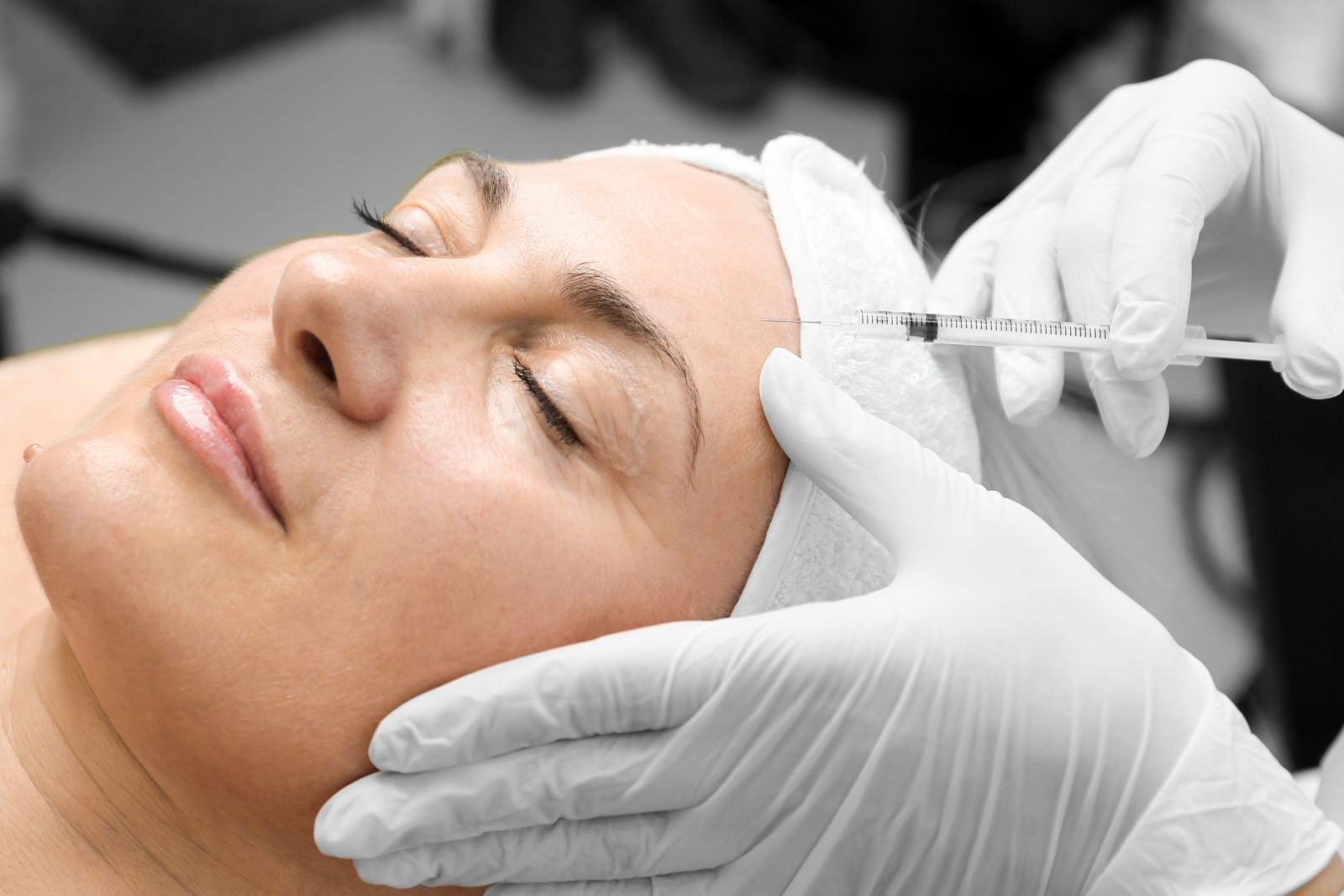
If you want to give your face a more youthful look, polynucleotide and stem cell injections are two choices you should consider. They both involve injections to the face, although the biological mechanisms at work are very different from one another.
Polynucleotide injections stimulate skin cells, temporarily giving the face a healthy glow. Stem cell treatments, on the other hand, restore the skin deep below the surface by introducing living cells that are capable of long-term renewal.
In this article, we break down the key differences between polynucleotides vs stem cells, including how they work, what results they offer, and who each treatment is best suited for. After reading this article, you’ll be able to make an informed choice between injectable skincare and true regenerative therapy.
Polynucleotides and stem cell injections represent two different philosophies of rejuvenation. The former supports and repairs the skin you already have, whereas stem cell treatments rebuild the skin structure from within.
Polynucleotides are not a regenerative procedure but an injectable skincare treatment. They provide hydration and textural improvements, but cannot replace tissue or restore lost volume.
PDRN (polydeoxyribonucleotide) injections are made from purified DNA fragments, most commonly derived from salmon DNA. These fragments are processed to be compatible with human skin and help the skin rehydrate and repair itself.
They are often described as a “moisturiser in a syringe” because, like cosmetic products, they improve the look of the skin on a surface level. They smooth fine lines and are said to give a special glow. Some people say that sperm cell facials give you “glass skin.”
Unlike stem cells, polynucleotides do not contain living cells. The injected DNA fragments act as biostimulators, sending biological signals that boost skin health. They stimulate cells known as fibroblasts, which in turn support the activity of collagen and elastin, key components for maintaining skin firmness and elasticity.
Polynucleotide injections went viral under the nickname “salmon sperm facial” after Kim Kardashian mentioned on an episode of The Kardashians that she had tried the treatment. “I got a salmon sperm facial, with salmon sperm injected into my face,” she told her mother, Kris Jenner.
The term is provocative, but it isn’t entirely inaccurate. PDRN (polydeoxyribonucleotide), the active ingredient used in polynucleotide treatments, is often derived from salmon testes, where cells contain a particularly high concentration of DNA, making it an efficient source for extraction. While that origin may initially put some people off, social media quickly filled with testimonials praising the treatment’s ability to revive dull, tired-looking skin.
Despite the hype, it’s worth noting that polynucleotide injections are best understood as a skin-quality treatment rather than a truly regenerative one in the biological sense.

Stem cell injections restore the skin’s natural regenerative capacity by introducing living cells capable of renewal and repair.
Stem cells are often described as “master builders” because they can self-replicate, take on different specialized roles, and encourage surrounding cells to repair damaged tissue.
When injected into the skin, these “master builders” help restore the skin’s ability to heal itself. They improve overall skin function rather than simply masking signs of ageing.
As skin ages, its ability to regenerate slows down. Collagen production drops, elasticity weakens, and repair mechanisms become less efficient. Stem cells help counter this process by reactivating regeneration at a cellular level. This leads to improvements in the skin’s appearance, particularly in terms of texture and structure. It also makes the skin more resilient and better able to bounce back from future damage.
Stem cells for rejuvenation treatments are typically harvested from your own fat tissue, where they are abundant and easily accessible through a minor liposuction procedure. The extracted cells are then processed and reinjected into targeted areas of the face.
Because these are your own living cells, they integrate with existing tissues rather than sitting on the surface. They gradually restore the skin’s ability to repair itself, and over the course of a few months, the skin is rejuvenated. It becomes firmer and regains volume. Effects can last for several years.

Polynucleotides stimulate your existing cells, encouraging better function. Stem cell injections are a form of biological transplantation that introduces new regenerative cells into the tissue.
Polynucleotides work by stimulating fibroblasts, the cells responsible for producing collagen, elastin, and other structural components of the skin. Rather than creating new tissue, they act like cheerleaders, encouraging existing cells to repair micro-damage, improve hydration, and leave your skin soft and glowing.
Stem cell injections work on a deeper level. Because they introduce living cells that renew themselves, they can integrate into the tissue, bringing with them their great capacity to repair themselves, and communicate with other cells. Your skin is rejuvenated from within, with improved texture, firmness, and resilience against future harm.
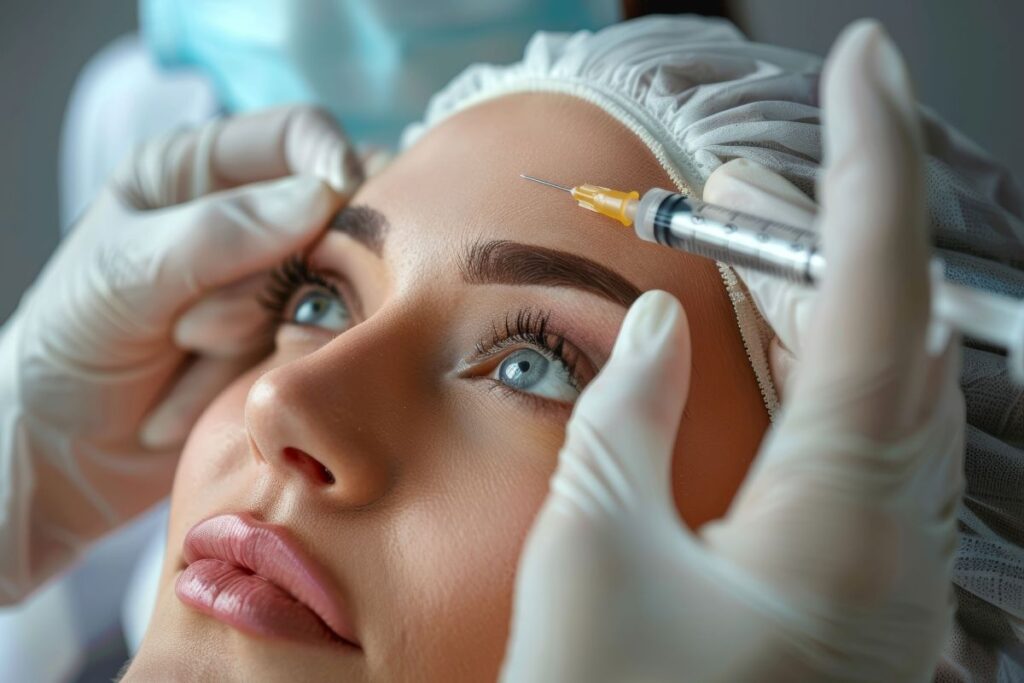
Depending on your budget and your aims, polynucleotides and stem cell injections both have their time to shine.
Polynucleotides are not capable of restoring volume, so if you want to counteract the hollowing of your face, for instance, sunken cheeks or temples, stem cell treatments are the way to go.
Since they bring in living, regenerative cells, they help rebuild deeper tissue architecture and can visibly restore volume within a few months.
Polynucleotide injections are excellent at improving superficial skin quality, but they can’t tackle deeper wrinkles, as they cannot replace or rebuild the deeper structure of your skin. For deep furrows and structural folds, stem cell injections are more effective.
If the skin feels “thin,” dry, or “crepey,” polynucleotides are a great way of improving texture and appearance. Research shows their ability to improve skin texture and hydration, especially when performed as a series of treatments spaced over several weeks.
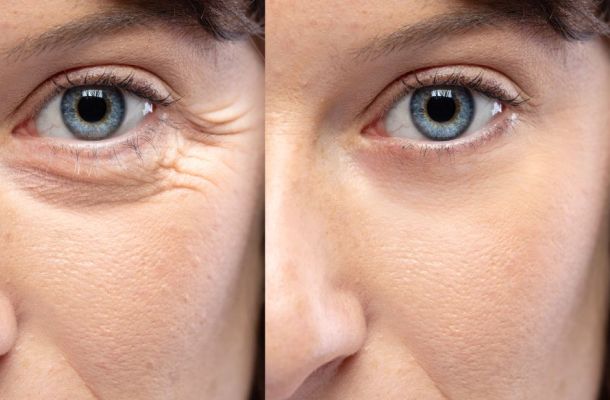
For delicate areas like under-eye hollows or dark circles, polynucleotide injections can significantly improve appearance without the puffy look often associated with fillers. Studies show that PDRN helps improve microcirculation in your face, which makes skin healthier and more radiant.
One of the reasons “salmon sperm facials” went viral on social media is the characteristic glow that they give to the skin. For several months, they leave the face hydrated, supple, and looking healthier than ever.

One of the clearest differences between polynucleotides and stem cell injections lies in how invasive the treatment process is.
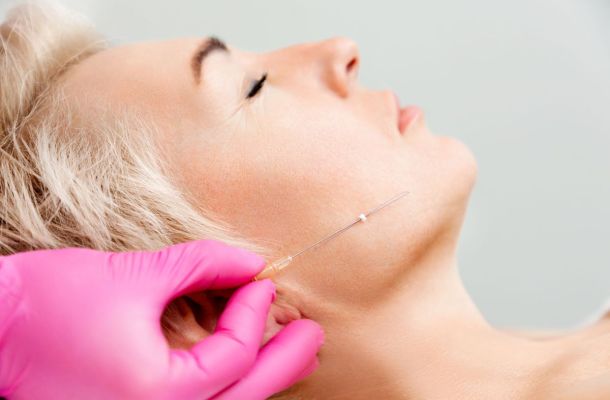
Polynucleotide treatments fall under mesotherapy, meaning they are delivered through superficial injections into the skin. Sessions are typically short, often lasting 20–30 minutes, and are usually performed as a series of treatments spaced a few weeks apart. This makes them easy to integrate into a busy lifestyle, with no need for significant preparation or recovery time.
Polynucleotides are often injected using micro-needles or structured techniques such as the BAP (Bio Aesthetic Points) method. This approach targets strategic points of the face to maximize effects and minimize the number of injections needed.
With polynucleotide treatments, downtime is minimal. Some people experience mild redness, swelling, or small injection marks, but these usually disappear within 24–48 hours. You can generally go back to your normal routine the same day or the next.
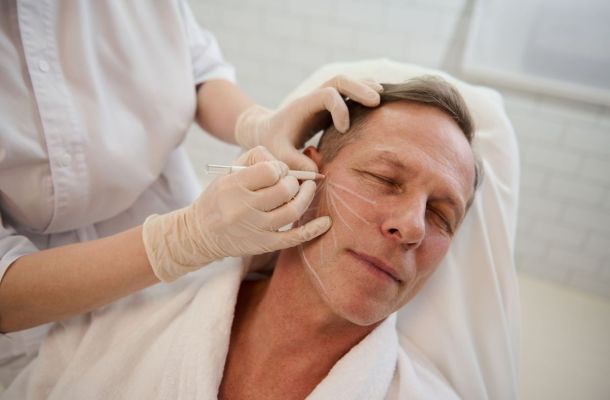
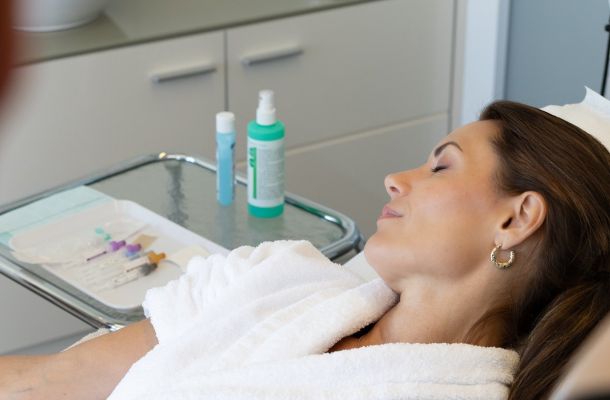
Stem cell treatments are more involved because they require harvesting stem cells from your own fat tissue. This is done through a small liposuction procedure, typically from the abdomen or thighs. While it is considered minor surgery, it is still a medical intervention that requires planning.
The extraction is usually performed under local anesthesia or light sedation, depending on the clinic and the amount of tissue collected. Recovery is straightforward. Patients can expect mild soreness and sometimes bruising at the extraction site for a few days.
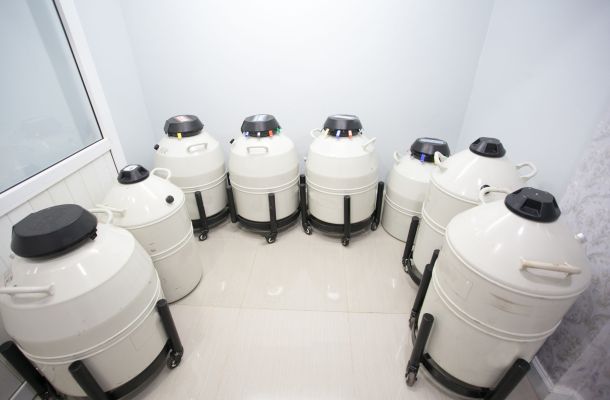
Thankfully, the more invasive extraction phase of stem-cell treatments only has to be done once. You can bank your stem cells; they can be stored for decades and used later without the need for another surgical procedure.
Safety is often a deciding factor when choosing between injectable skincare and regenerative procedures. While both polynucleotides and stem cell injections are considered low-risk when performed correctly, the type of material used and the level of invasiveness make their safety profiles quite different.
Stem cell injections used in aesthetic treatments rely on your own cells, usually harvested from fat tissue. Because the material comes from your body, the risk of immune rejection or allergic reaction is extremely low.
The main risks come from the extraction step, which may cause temporary bruising or discomfort at the liposuction site.
Polynucleotides (PDRN) are not living cells. They are highly purified DNA fragments, typically derived from salmon sources, and processed to remove proteins and contaminants.
Because of this purification, allergic reactions are exceptionally rare. Once injected, these DNA fragments act as biological signals rather than foreign tissue, making them very well tolerated by most patients.
Because polynucleotide injections do not involve tissue extraction or surgery, many of the risks associated with stem cell procedures simply do not exist.
There is no anesthesia, no surgical wound, and no recovery related to fat harvesting. Side effects are generally limited to mild redness or swelling at injection sites, which resolve quickly.
Polynucleotide injections and stem cell therapies are no longer experimental but well-established and regulated procedures. The legal framework varies by country.
In countries such as Switzerland, aesthetic stem cell treatments are legal when they follow strict rules. Clinics may use a patient’s own, unaltered stem cells (usually derived from fat tissue) for facial rejuvenation. Treatments must meet high safety standards and are limited to cosmetic applications.
Polynucleotide (PDRN) injections are legal and widely approved for aesthetic use in Switzerland and many other countries. Because they do not involve live cells or surgical extraction, the rules surrounding them are less strict. They are broadly accessible and commonly offered in clinics worldwide.
In Switzerland, as in many other countries, both treatments are legal and regulated for anti-ageing purposes when performed by qualified professionals.

When considering the cost of both treatments, it is important to factor in maintenance procedures and the longevity of the results.
Polynucleotide treatments are typically sold as a course of several sessions rather than a one-off injection. Most patients require 2–4 sessions spaced a few weeks apart, with pricing based on the number of syringes used. Results last six to nine months, so maintenance treatments are required regularly.
Stem cell treatments include several stages: fat extraction (a minor surgical procedure), laboratory processing, reinjection, and sometimes stem cell banking. This complexity makes stem cell treatments significantly more expensive than polynucleotide injections.
The effects of polynucleotide injections generally last 6–9 months, depending on the person. Stem cell treatments can have visible results for several years, as they physically restore volume and tissue rather than simply stimulating existing cells. While polynucleotide injections may be less expensive at first, stem cell injections can offer better long-term value.
Stem cells and polynucleotide injections are not interchangeable, and the right choice for you depends on your goals and personal preferences.
Polynucleotide injections are ideal if you want a quick solution and feel like your skin is dull, dry, or showing signs of fine lines. For six to nine months, it will provide you with a “glass skin” effect, making your skin hydrated and glowing without modifying your facial structure.
Stem cell treatments are better suited for tackling the structural signs of ageing, for instance, if you want to restore your face to its former shape and volume.
Since they act on a deeper level, restoring lost tissue and your skin’s ability to heal itself, they can act as a non-surgical alternative to a facelift, with results that may last several years.
Regardless of which treatment you choose today, extracting and storing your stem cells will give you more options in the future. Banking them early means you have a stock of younger and healthier cells that you can use for regenerative treatments in the years ahead.
You don’t have to choose between stem cell treatments and polynucleotides—the two work great in tandem. Polynucleotides quickly give you radiant skin, while stem cell treatments get to work on the underlying cells to make your skin healthy, supple, and smooth.
No. Polynucleotides are purified DNA fragments taken from salmon that temporarily stimulate skin repair and hydration. Stem cell injections, on the other hand, use your own living cells, which can help restore the skin’s regenerative capacity and lost volume with longer-lasting effects.
It depends on what “improving skin” means. Polynucleotides are more effective for quickly addressing surface-level concerns, giving you a healthy glow. Stem cell injections improve the health of your skin on a deeper level, addressing structural ageing.
The effects of polynucleotide injections last around six to nine months, while stem cell treatments can last several years, as they regenerate tissue rather than temporarily stimulating it.
Stem cell injections are more effective for deep wrinkles, as they address underlying issues like volume loss and tissue ageing. Polynucleotides can improve fine lines and skin quality, but cannot rebuild lost tissue.
Polynucleotide treatments are significantly more affordable than stem cell procedures, though they require regular maintenance, which can add up over time. A full course typically costs between $1,500 and $3,000. Stem cell treatments, which include cell extraction and reinjection, are a much larger investment, with prices generally starting around $40,000.