Stem Cell Therapies in Germany: What Is Legal vs What Is Not
Stem cell therapies are developing rapidly, but they are still at the cutting edge of aesthetic and regenerative medicine. That’s why the legislatio…


Stem cell therapies are cutting-edge medicine, and in some countries, the law hasn’t caught up with the science.
In Switzerland, however, there is no legal grey area. The use of stem cells is clearly regulated and governed by some of the strictest ethical and medical regulations in Europe.
If you are considering an aesthetic or medical stem cell treatment, or if you are thinking about banking your stem cells for future use, you first need to understand what is and isn’t permitted.
This article breaks down how stem cell therapies are regulated in Switzerland and which treatments are currently legal.
Stem cell research is still evolving worldwide, and regulation has had to develop alongside it. As new therapies emerge, many countries are still defining what is safe, ethical, and legally acceptable.
Switzerland has long been at the forefront of stem cell research and has a solid legal background for both medical research and clinical use.
It formalized its leadership early on by introducing a dedicated federal law regulating embryonic stem cell research in 2005. At the same time, it invested heavily in the field by funding a national stem cell research programme through the Swiss National Science Foundation.
As stem cell therapies became more widespread, Switzerland’s regulatory framework expanded beyond research ethics to cover clinical application and patient protection.
Swissmedic is an oversight body that plays a central role in this system. It supervises the approval, manufacture, and clinical use of cell-based therapies, to make sure patients’ and ethics are protected as the stem cell industry evolves and expands.
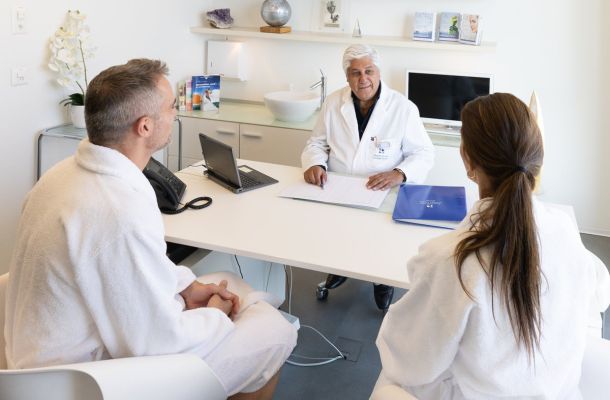
An important thing to note when considering stem cell treatments in Switzerland is that the regulations differ significantly between hospitals and aesthetic or anti-ageing clinics.
Hospitals and accredited medical centres are authorised to provide medical treatments where a clear therapeutic necessity can be demonstrated. In this context, stem cell use is permitted only for well-defined medical indications or within ethically approved clinical trials.
By contrast, aesthetic and anti-ageing clinics do not operate based on medical necessity. As a result, the use of stem cells is far more restricted, and treatments cannot be marketed or administered as therapeutic, but only cosmetic.
Put simply, stem cell treatments used to treat illness or disease take place in hospitals, while aesthetic clinics are restricted to non-medical cosmetic procedures.

At the heart of Swiss stem cell regulation is a relatively simple but strictly enforced principle: the more a stem cell is biologically altered, or distanced from its original source, the more likely its use is to be illegal.
Under Swiss law, legal stem cell therapies rely on unaltered cells.
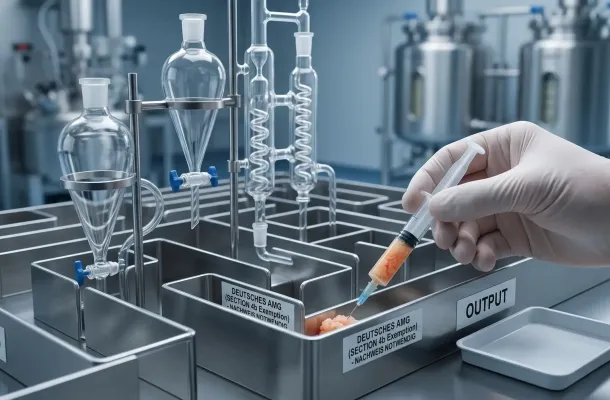
This means that they cannot be expanded, genetically modified, or drastically changed in a laboratory before being injected into the patient.
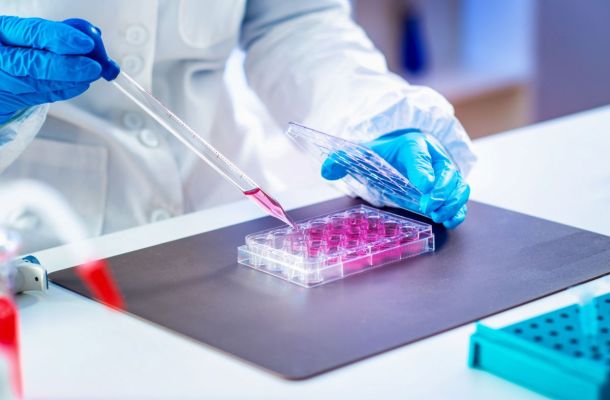
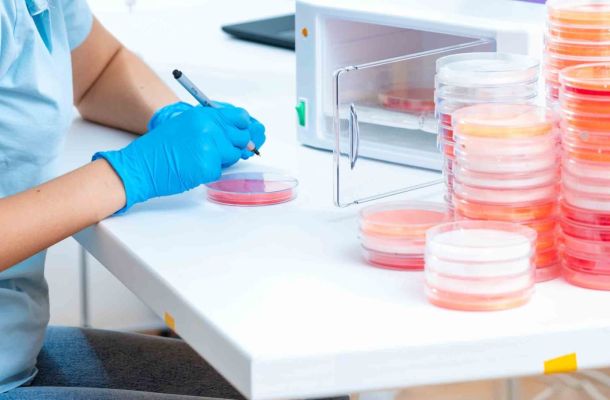
Lab-grown or extensively cultured stem cells are considered “biologically altered” under Swiss law.
This means that they are subject to stricter safety requirements and, in most cases, are unlawful for clinical use.
Using stem cells derived from another person is generally illegal, with only a small number of narrowly defined medical exceptions.
Donor-derived stem cells are categorically prohibited in aesthetic or cosmetic medicine.
In Switzerland, aesthetic stem cell treatments are legal and strictly regulated to protect patient safety.
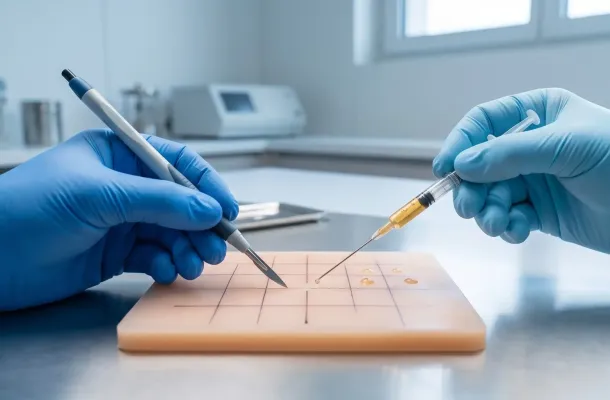
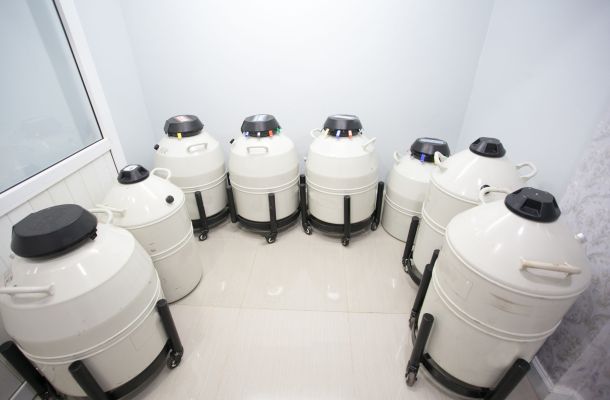
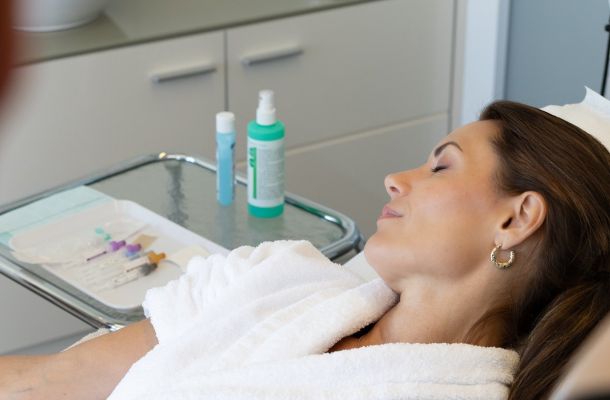
Clinics can extract your own (autologous) stem cells and store them in certified facilities for long-term use. They can also perform cosmetic treatments that reinject your own unaltered stem cells into your skin to support rejuvenation.
By contrast, using stem cells from another person (allogeneic cells) is not currently permitted for esthetic or cosmetic treatments under Swiss law and is limited to specific medical indications in hospital settings.

In Switzerland, certain medical stem cell treatments are permitted in hospital settings, where they are regulated as part of mainstream healthcare rather than cosmetic or wellness services.
These treatments are allowed only when there is a demonstrable therapeutic purpose, such as treating specific diseases or conditions, or when they are carried out within approved clinical research programmes. Common examples include hematopoietic stem cell transplants used in the treatment of blood cancers such as leukaemia and lymphoma, as well as certain immune and genetic disorders.
Hospitals have access to a wider potential range of stem cell applications than aesthetic or anti-ageing clinics, but this greater scope comes with significantly stricter regulatory requirements. Hospital-based stem cell treatments are subject to oversight from ethics committees and regulatory agencies like Swissmedic. They must meet high standards for clinical justification, patient consent, and safety procedures.
Receiving stem cell treatments from clinics that operate outside Swiss regulations can carry serious risks:
For your safety, always choose clinics that operate within the law. Remember, regulations are there to protect patient safety.
Contact us if you have any question regarding a treatment you might be interested in.