Over the last couple of years, exosomes have been mentioned everywhere, from TikTok videos to cosmetic products and rejuvenation treatment programs. Often marketed alongside facial stem cell treatments under the umbrella of “regenerative aesthetics,” exosome treatments are very different from stem cell treatments both in terms of how they work and the research supporting their effects.
Exosomes are signalling vesicles rather than living cells, and while early research suggests regenerative potential, the clinical evidence supporting their effects is far more limited than that for stem-cell–based therapies.
In this article, we break down the key differences between exosomes vs stem cells, from how they are sourced and how they work, to how you can use them for your anti-ageing objectives.
Exosome Injections vs Stem Cell Injections: The Basics of Regenerative Aesthetics
While many skin treatments focus on masking the signs of ageing on the surface, regenerative aesthetics goes a step further and helps the skin repair itself on a cellular level. Both stem cells and exosomes fall into this category.
Stem Cells Are the Body’s “Master Builders” for Tissue Repair
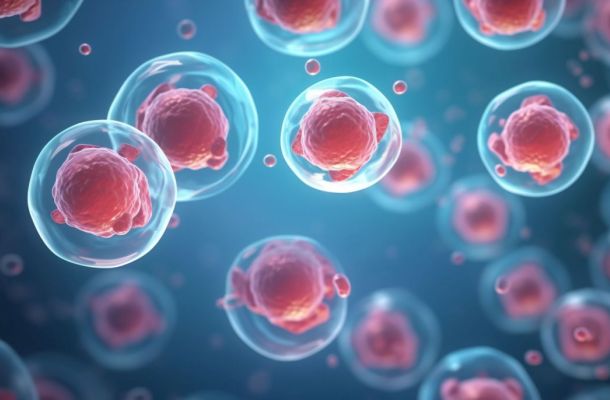
Stem cells are often described as the body’s master builders, as they are the precursors to all our tissues, and continue to sustain them throughout our lives.
Mesenchymal Stem Cells (MSCs) in Anti-Aging
In aesthetic medicine, the most commonly used stem cells are mesenchymal stem cells (MSCs), which are found in multiple tissues throughout the adult body. For cosmetic use, they are most often harvested from a patient’s own adipose (fat) tissue.
Unlike specialised cells that carry out a single task, MSCs have the ability to both self-renew and differentiate into a range of cell types. When tissue is damaged or ageing, they migrate to the affected area, where they help replace compromised cells and release bioactive signals that stimulate surrounding cells. This supports tissue repair and regeneration, leading to visible and underlying improvements to skin health.
How Live Cells Regenerate Ageing Skin
As you age, your skin loses its ability to repair itself, and proteins that keep the texture supple and elastic, called collagen and elastin, decline.
Stem cell facial injections address this issue by stimulating protein production, encouraging the formation of new blood vessels, and supporting the renewal of damaged skin cells.
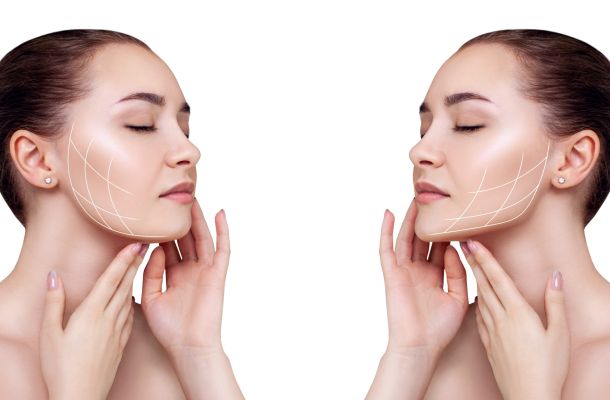
This has a lot of visible effects on the skin: it improves volume, restoring the natural contours of your face; it also improves the skin’s texture and makes it more resilient to future damage.
Exosomes are “Cell-Free” Signalers that Instruct Repair
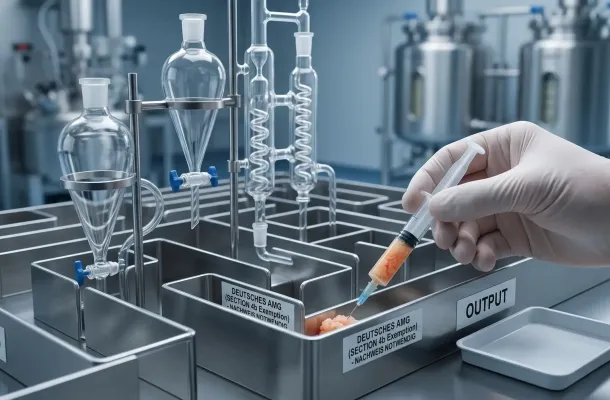
While stem cells are living units capable of self-renewal, exosomes are not cells at all. They are more like little sacs that move between cells, transporting important material with them.
Defining Extracellular Vesicles (EVs)
Exosomes are one member of the diverse group ”extracellular vesicles” (EVs). EVs are membrane particles that play an important role in communication between cells — researchers describe them as a biological “information highway”.
Exosomes are a particular type of EV that is created inside the cell and then released into the space around, where they communicate with the surrounding cells.
Loaded with Growth Factors, mRNA, and Cytokines
What makes exosomes interesting in regenerative medicine is that they are loaded with growth factors, proteins, cytokines, and messenger RNA, all of which send instructions to other cells, encouraging them to repair themselves, and reducing inflammation.
That gives them the potential to influence the surrounding cells, without introducing living cells into the body.
Exosomes vs. Stem Cells: Key Differences for Anti-aging Treatments
In short, stem cells rebuild, self-replicate, and signal to other cells, while exosomes only signal.
Stem Cells Are Living, Exosomes Are Cell-Free Biological Data
The most fundamental difference between stem cells and exosomes is that stem cells are living cells, while exosomes are not. Stem cells are capable of dividing and actively regenerating tissue. They become an active part of the skin. Exosomes, meanwhile, transmit information to the existing cells, influencing their behavior.
Exosomes Are Nanoparticles That Penetrate Skin Deep, while Stem Cells are Bigger
Another notable difference is the size of the two elements. Exosomes are nanoparticles, thousands of times smaller than stem cells.
This allows them to penetrate the skin more easily and diffuse widely within tissues, explaining why they are sometimes included in topical products. Stem cells are much larger and must be injected directly into targeted areas, where they act locally by integrating into the tissue.
Both Exosome and Stem Cells can be Autologous (Your Fat) vs. Allogeneic (Donor Lab) Products
Both treatments can be autologous (meaning they come from the patient’s own body) or allogeneic (from someone else). However, in practise, exosomes used in aesthetic treatments are usually allogenic, made in large batches from donor cells. Cosmetic stem cell therapies are autologous, usually taken from the patient’s own fat tissue, to minimize immune reactions.
Invasiveness of Treatments: Surgery vs. Needle-Free Options
Another major distinction between stem cell injections vs exosome injections is how invasive the procedure is.
Stem Cell Therapy Requires Invasive Liposuction or Bone Marrow Extraction
Stem cell treatments require a harvesting phase, typically through liposuction (from adipose tissue) or, more rarely, bone marrow extraction.
The Pain and Downtime of Harvesting Stem Cells
While the extraction of adipose stem cells is a simple procedure, it must be performed under medical supervision and can cause minor discomfort and a short period of recovery.
Processing Time: Waiting for Separation
On top of the extraction time, stem cell treatments also require some processing time, during which stem cells are isolated in a laboratory and prepared for reinjection.
This makes stem cell therapies multi-step procedures that require medical interventions spread over a couple of days.
Exosome Therapy Is Minimally Invasive and Often Topical
By contrast, exosome therapy is quick, straightforward, and minimally invasive.
Pairing with Microneedling (Vampire Facial Alternative)
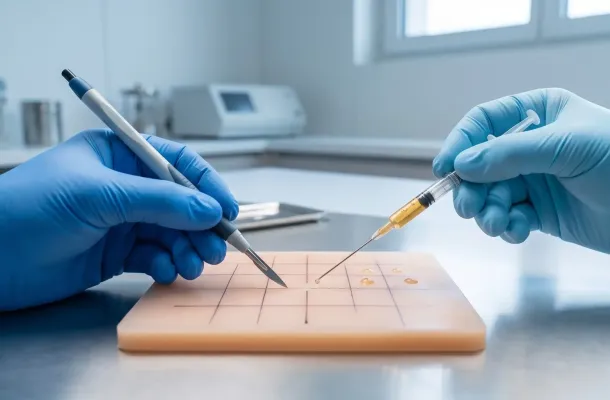
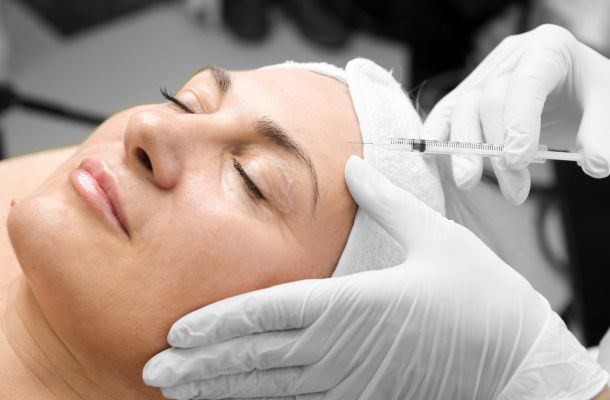
Exosome therapy usually involves topical application or surface-level injections. In some cases, practitioners combine it with microneedling, a treatment that uses fine needles to pierce tiny channels in the skin, helping active ingredients penetrate more effectively.
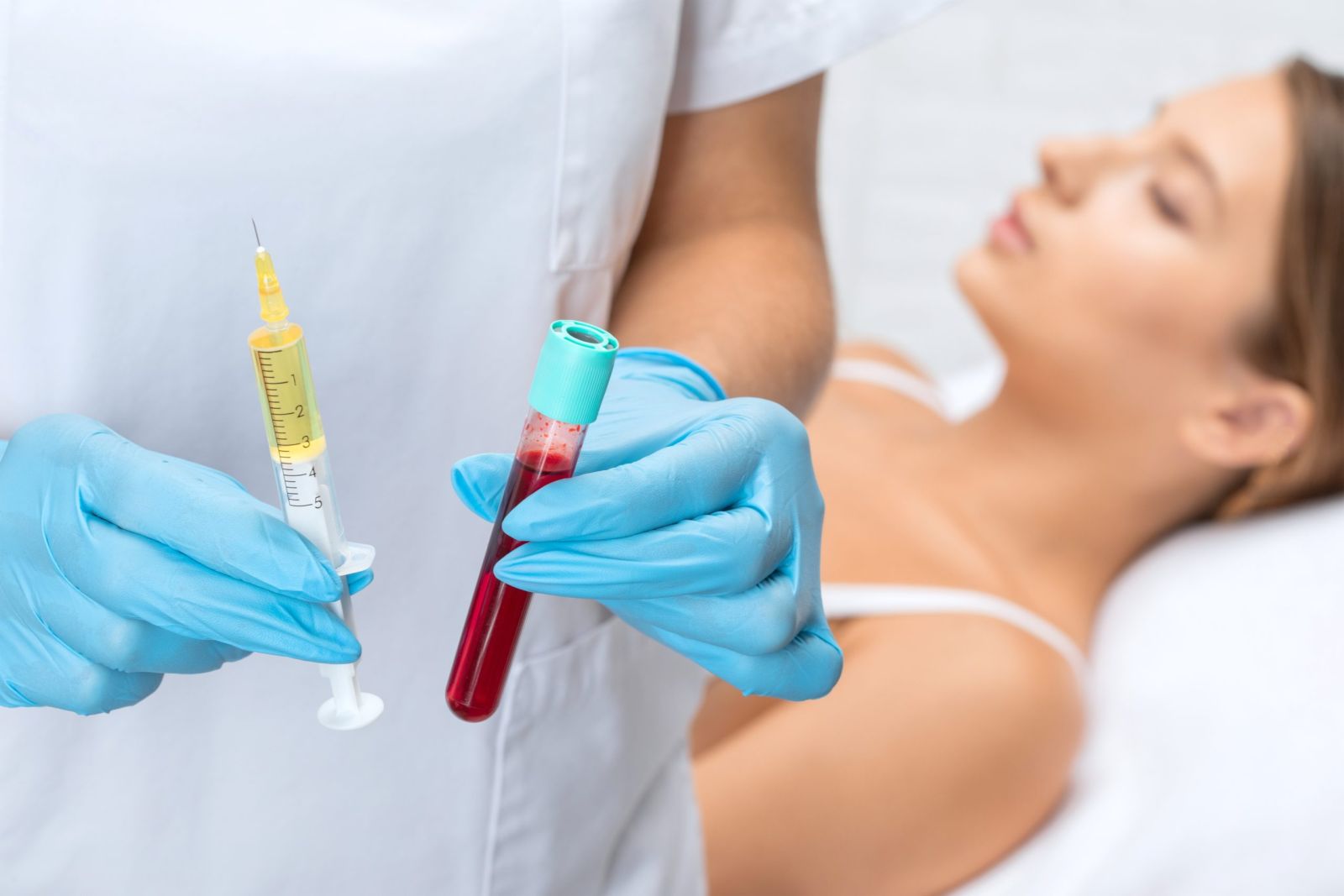
Because of this, exosomes can be an alternative to “vampire facials”, which use microneedling to inject the skin with platelet-rich plasma (PRP) taken from the patient’s blood.
Zero Downtime: The “Lunchtime” Procedure Appeal
Exosome treatments don’t involve blood draws, tissue harvesting, or surgery. The whole process can be completed within an hour, and downtime is typically minimal or none. For many patients, this makes them appealing as a “lunchtime procedure”: quick, easy, and without interruption to daily life.
Efficacy in Anti-Aging: Which Rejuvenates Better?
When it comes to their anti-aging effects, stem cells and exosomes have different depths of impact and different timelines.
Stem Cell Therapies are Systemic and Long-Lasting
Stem cell therapies regenerate the skin over the course of several months by introducing living cells that self-renew and promote repair in other cells.
Over time, there are structural shifts underneath the surface, as well as visible improvements to skin texture and volume. Effects can last for years.
Exosomes Contain Higher Concentration of Growth Factors (3x More)
Exosomes, on the other hand, deliver a very high concentration of growth factors at the time of injection. Some research suggests that it is several times higher than what cells naturally release.
These growth hormones jump-start the tissue’s collagen production, which makes the skin radiant and resilient. Effects are most noticeable in the short and medium term, lasting several weeks to a few months.
Both Boost Collagen and Skin Elasticity
Both treatments stimulate collagen and improve skin elasticity, but stem cells can reshape the skin’s regenerative capacity, while exosomes are just messengers that encourage other cells to repair themselves.
Safety Profile: Risks and Side Effects of Stem Cells and Exosomes Treatments
Both stem cell and exosome therapies are considered low risk when performed in medical-grade settings by skilled professionals.
Autologous Stem Cell Treatments Have a Near-Zero Rejection Risk
When stem cell therapies use autologous cells (cells taken from your own body), the risk of immune rejection is extremely low. Because the cells are biologically identical to the recipient, the body recognises them as “self,” not as a foreign substance. This significantly reduces the risk of allergic reactions or immune complications.
Exosomes Lack HLA Markers, Making Them Universally Compatible
Because exosomes are not living cells, they do not express HLA (human leukocyte antigen) markers, which are responsible for triggering immune responses. Some researchers describe exosomes as “universally compatible” because there is a low risk of immune rejection even when the cells are sourced from donors.
Exosomes Cannot Replicate or Cause Cancer
Exosomes can not self-replicate in the body, which eliminates some theoretical risks associated with injections of living cells, such as uncontrolled cell growth or mutations that could cause tumors. However, while these risks are often raised in public discussions about stem cells, they are extremely low in regulated autologous treatments.
Infection Risks Exist but Remain Minimal in Clinical Settings
The main safety risks for both treatments come from the procedure itself, rather than from the biological substance being injected. Stem cell therapies involve tissue harvesting, which introduces a small risk of infection at the extraction site. Exosome treatments are non-surgical, but there are some minimal risks related to injections or microneedling. In both cases, the procedures need to be performed in sterile, medical-grade environments.
Cost Breakdown: Price vs. Long-Term Value
Per session, exosome treatments are much cheaper than stem cell therapy. However, since the latter has far longer-lasting results, the best value option depends on your goals.
Why Stem Cell Therapy Costs More ($10,000 – $50,000+)
Stem cell therapies involve multiple medical procedures: extraction, laboratory processing, and injection. The practitioners and laboratories work under strict regulatory standards in medical-grades setting. All of this comes with a higher price tag, with the price ranging from $10,000 to $50,000 or more.
The Price of Exosome Facials ($500 – $3,000)
Exosome facials are much more affordable, with prices ranging from $500 to $3,000 per session. These lower costs are due to the fact that the injections are standardized, and the treatment is quicker, since it doesn’t involve surgery or cell extraction.
Longevity of Results: Maintenance Sessions Required
When pricing up the different treatment options, it is important to consider durability as well as just the cost per session. Exosome treatments last for a few weeks or months at most, so repeat sessions are necessary.
Stem cell therapy costs a lot up front, but it restores the skin’s functions, and improvements can last for years. Over time, repeated treatments can narrow the apparent price gap, particularly for patients seeking ongoing skin rejuvenation rather than a one-off improvement.
Legal Status: Stem Cells are Starting to be Legal Everywhere, Exosomes are still Controversial
The legal landscape around regenerative aesthetics is evolving quickly. Autologous stem cell therapies are being integrated into many countries’ medical frameworks, while exosome-based treatments often sit in a legal and regulatory grey zone.
Facial Stem Cell Therapies for Aesthetic Medicine are Now Legal in Many Countries, including Switzerland
In countries with advanced medical regulation, including Switzerland, autologous stem cell treatments used in aesthetic medicine are permitted when they follow strict rules.
In Switzerland, they are overseen by Swissmedic to ensure patient safety and the traceability of stem cells.
No Exosome Products Are Currently FDA-Approved or Legal in Switzerland for Anti-Aging
At present, no standalone exosome product is FDA-approved specifically for cosmetic or anti-ageing indications in the United States. In Switzerland, exosomes are not authorised as independent aesthetic therapies, and their regulatory classification depends heavily on how they are sourced, processed, and used.
That said, exosomes are actively studied and increasingly used as biological signalling components within autologous therapies, such as platelet-rich plasma (PRP). When exosomes are derived from a patient’s own blood and used within a same-day, minimally manipulated procedure, they fall under existing frameworks governing autologous blood products rather than being regulated as a commercial drug or medical device.
Due to the Lack of Regulations Around Exosomes, They Currently Carry a Much Higher Risk
Because exosomes lack a clear regulatory framework, treatments carry much higher risks for patients. They may be exposed to products of unknown origin, with questionable processing or purity. Currently, stem cell therapies are a safer and more legally secure option.
Verdict: Choosing Between Exosome Injections vs Stem Cell Injections
Choosing between stem cells and exosomes depends on your end goal. Exosomes are good for short-term improvements, while stem cells provide long-term structural repair.
Choose Stem Cells if You Want Systemic, Long-Term Structural Repair in a Well-Regulated Environment
Stem cell therapy is the most comprehensive option if you want long-term improvements to your skin. Stem cells actively regenerate tissue, and they improve skin quality from within. The results appear over several months, as the skin regains its radiance. When performed in a well-regulated medical environment, they offer true biological rejuvenation rather than surface-level improvement.
Choose Exosomes for Targeted Skin Resurfacing and Hair Growth
Exosomes, on the other hand, are best suited for targeted aesthetic concerns. They are good for skin resurfacing, improving texture, boosting collagen, and supporting hair growth by delivering powerful biological signals to existing cells. Results can be impressive, but they tend to be more localized and shorter-lived, often requiring maintenance sessions.
Frequently Asked Questions About Exosomes Injections vs Stem Cell Injections
Are Stem Cells and Exosomes the Same Thing? No. Stem cells are living cells capable of repairing and regenerating tissue. Exosomes are cell-free vesicles released by cells that carry biological signals. One rebuilds tissue directly, while the other sends instructions to existing cells.
Which Is the Most Effective on Wrinkles: Stem Cells or Exosomes? Stem cells are more effective for deep wrinkles because they restore volume to the face and regenerate tissue. Exosomes may work for fine lines and minor texture improvements by stimulating collagen production.
Which Treatment Has the Longest-Lasting Results: Stem Cells or Exosomes? Stem cell treatments typically last several years, as they cause true tissue regeneration. Exosome results are shorter-lived, lasting several weeks to a few months.
Exosome Injections vs Stem Cell Injections: Which Is the Best Value for Money? Exosomes are cheaper upfront, but the effects only last for a few months, so repeat treatments are required. Stem cells cost significantly more initially, but can provide better value as they have long-lasting effects.
Are Exosome Injections Legal in Switzerland? No. Exosome products are not currently approved for aesthetic use in Switzerland.
Which Is More Invasive Between Exosomes and Stem Cells? Stem cell therapy is more invasive, as it requires liposuction or bone marrow extraction. Exosome treatments are minimally invasive or even needle-free, often applied topically or with microneedling, with little to no downtime.