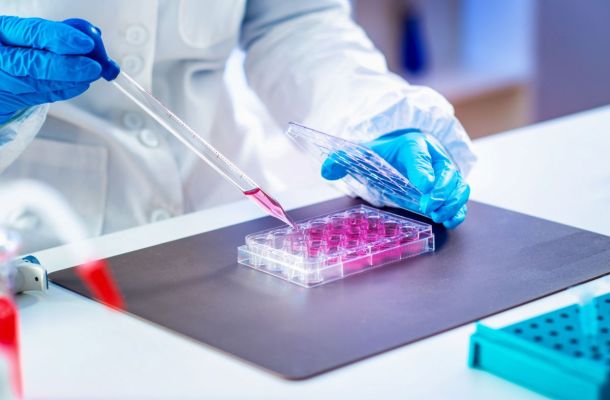
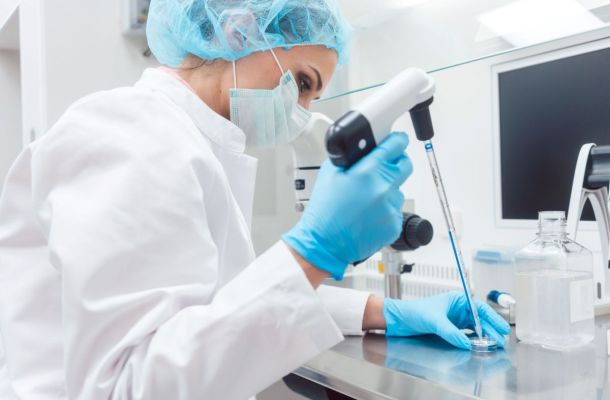
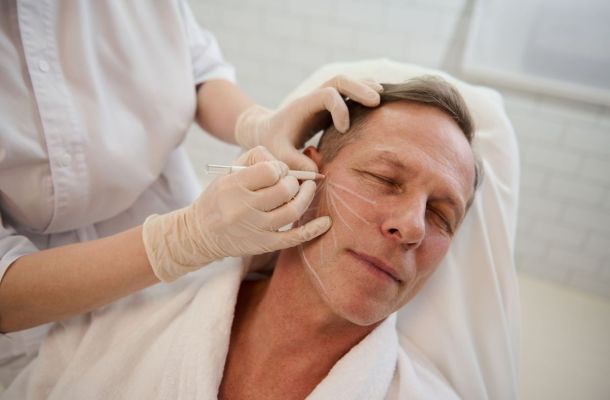
Therapeutic Plasma Exchange (TPE) has been used by doctors to treat autoimmune and neurological conditions for decades. In recent years, it has attracted attention in the world of longevity research and regenerative medicine as a way of resetting the body. Some people compare it to “washing” the blood, or doing an oil change on a car.
Unlike localized treatments such as PRP or stem cell injections, TPE works on the bloodstream, so it affects the entire body. A portion of the patient’s plasma (the liquid part of the blood) is removed and replaced with a substitute liquid. This removes inflammatory molecules and other harmful factors that accumulate in the plasma as you age. Plasma exchange for anti-aging has a whole-body effect that research is just beginning to understand.
While it is extremely promising, TPE is not a routine aesthetic procedure. It is more complex, more regulated, and carries different risks compared to other regenerative therapies. Understanding how it works and how it compares to options like PRP or stem cell injections is a must if you are considering it as part of an anti-aging strategy.
In this guide, we break down therapeutic plasma exchange benefits, potential risks, and key alternatives, including a closer look at TPE vs PRP and other regenerative approaches.
What is TPE? The Biological “Oil Change” for Total Body Renewal
TPE involves removing a portion of the blood’s plasma and replacing it with a substitute solution. It is commonly used to treat neurological and autoimmune conditions where harmful antibodies or proteins, located in the plasma, are driving disease.
The Apheresis Mechanism: How Your Plasma is Physically Filtered and Replaced
To perform TPE, doctors use a process called apheresis to separate blood into its different components. Blood is drawn from the body using a catheter and passed through a specialized machine that separates plasma from the red blood cells, white blood cells, and platelets. The plasma is then discarded and replaced with a substitute solution. This can be a mix of saline and albumin, or donor plasma.
The filtered blood cells are then returned to the body along with the replacement fluid. The process takes a few hours and is usually repeated several times over two or three days. By the end of the treatment, a significant portion of the patient’s plasma has been processed and replaced.
The goal is to reduce the concentration of circulating inflammatory factors, autoantibodies, and other molecules that may contribute to disease or age-related decline.
TPE’s Medical Origins: From Life-Saving ICU Procedure to Longevity Medicine
TPE is not a new or experimental technique. It has been used since the 1950s in medical settings to treat autoimmune diseases, neurological disorders, and certain blood-related illnesses. It is also sometimes used to prevent rejection after kidney transplants. In these settings, TPE is proven to be life-saving.
Many age-related processes are linked to what circulates in the bloodstream. Dysfunctional proteins and signalling molecules accumulate in the plasma over time. That’s why longevity researchers are looking at how plasma exchange for anti-aging can be integrated into regenerative medicine. Early research shows a lot of promise.
Clinically Documented Benefits of TPE: What the Evidence Shows
TPE’s effectiveness in treating neurological and autoimmune diseases is well established, while its potential applications in anti-ageing are an emerging and exciting field of research.
TPE in Autoimmune and Neurological Conditions: What Clinical Data Shows
In certain conditions, such as the blood disorder Thrombotic Thrombocytopenic Purpura (TTP), TPE is considered a first-line treatment, while in other diseases it is a second-line treatment option or used in combination with additional therapies.
The “Young Blood” Advantage: Flushing Out “Inflammaging” for Visible Radiance
One of the most exciting prospects of plasma exchange for anti-aging is its potential ability to reduce “inflammaging,” a term used to describe the chronic, low-grade inflammation that becomes increasingly common with age.
Over time, the bloodstream accumulates higher levels of pro-inflammatory elements and other harmful compounds. Because plasma circulates continuously through every tissue, it acts as a delivery system for these inflammatory signals. This effectively spreads and sustains a state of low-grade systemic stress.
TPE could work against this by removing a portion of aged plasma and replacing it with a clean albumin-based solution. This would reduce the circulating inflammatory load and reset the body’s internal environment.
Microcirculation and Skin Quality: How Plasma Renewal Supports Brighter, Firmer Skin
Healthy skin relies on microcirculation, meaning the network of tiny blood vessels beneath the surface that deliver oxygen and nutrients to your skin cells. When plasma becomes saturated with inflammatory markers or metabolic waste, this exchange becomes less efficient, and your skin is left wanting.
Some researchers believe that TPE could support microcirculation by lowering blood viscosity and reducing the amount of inflammatory markers in the plasma. This would create better conditions for skin regeneration and lead to a brighter and more even skin tone.
Cognitive Clarity: Clearing the “Brain Fog” by Removing Systemic Toxins
Beyond its visible effects, one consistently reported benefit of TPE in both medical and wellness settings is a feeling of improved mental clarity. There is anecdotal evidence that it removes feelings of “brain fog” and difficulties concentrating.
From a physiological perspective, this can be explained because TPE reduces the amount of cytokines and neurotoxic substances in the plasma, which can affect brain function.
Who Is an Ideal Candidate for TPE? Patient Profile and Assessment
The most suitable candidates for TPE in a longevity setting are people who suffer from inflammation or show early signs of biological aging.
Age Range And Biological Age Considerations
There is no clearly defined age range to benefit from TPE, but candidates tend to fall between their late 30s and 70s. As usual, biological age matters more than chronological age. Patients who show signs of accelerated aging, whether because of stress, hormonal shifts like menopause, or environmental factors, can be good candidates for TPE.
Health Status Prerequisites
Since TPE involves removing part of your blood through a central line, patients should be in overall good health so that the procedure doesn’t make them feel weak or put a strain on their heart.
Specialists will carry out a thorough medical consultation and bloodwork before recommending someone for the procedure. They will check that you have a manageable blood pressure and no active infections or conditions that would make the treatment risky.
However healthy you are, TPE should always be conducted in a clinical setting under medical supervision.
What Your Pre-TPE Bloodwork And Consultation Evaluates
During the pre-TPE consultation, doctors ask patients for a detailed medical history and about their current lifestyle. They conduct a panel of blood tests to evaluate inflammatory markers and overall organ function.
This serves two purposes: firstly, to make sure that the patient is healthy enough for the procedure. Secondly, to establish base levels of inflammation and health to compare with after the treatment has been performed.
Who Should Not Pursue TPE
People with heart problems or clotting disorders are not suitable candidates for TPE, nor are pregnant or breastfeeding individuals.
Patients with chronic conditions may still be eligible, so it is best to discuss your options with a doctor.
Understanding TPE Risks: What to Expect and How To Mitigate Them
Therapeutic Plasma Exchange (TPE) is generally well tolerated, but it is still a medical procedure that involves circulating your blood outside of your body. It comes with certain risks that should be understood and considered before choosing the treatment.
Why Expert Medical Supervision is Non-Negotiable For TPE
TPE involves removing, filtering, and replacing plasma, all of which are intricate procedures that require expert medical knowledge. Even in healthy individuals, it can lead to shifts in electrolyte levels and blood pressure that cause dizziness or more significant reactions in rare cases. The supervision of medical professionals is not optional, and TPE should only be performed in clinical settings.
Electrolyte Management During TPE: Calcium, Minerals, and How We Monitor Them
One of the more common physiological effects during TPE relates to electrolyte balance, and specifically calcium levels in the blood. Anticoagulants used during the procedure can bind to calcium and cause temporary symptoms such as tingling or muscle cramps.
Clinicians monitor electrolytes closely throughout the session and sometimes administer calcium supplements, either preventively or after symptoms appear. Other minerals, including magnesium and potassium, are also closely watched.
Electrolyte shifts are usually short-lived and reversible, but they still require medical supervision to limit discomfort and prevent lasting effects.
Post-TPE Recovery: Managing Transient Hemodynamic Changes and Fatigue
After the procedure, many people feel wiped out, with a general sense of fatigue or a heaviness in their limbs. This is normal, as your body reacts to the shift in fluid levels and changes in blood pressure during the exchange.
Most people bounce back within a few hours to a day, as long as they get enough rest and drink plenty of fluids. It is recommended to avoid intense physical activity and let your body reset.
Once the initial grogginess wears off, some people report feeling very energized or mentally clear. This is a great perk, but it doesn’t happen to everyone, so don’t be concerned if you don’t feel immediately refreshed.
TPE Contraindications: Medical Conditions and Factors That Require Evaluation
Not everyone is a candidate for TPE, and there are several conditions that can make it risky. Individuals dealing with severe anemia, heart issues that aren’t under control, active infections, or blood-clotting problems may not be able to receive the treatment.
Individuals whose blood pressure tends to run low also need to be extra careful, as the procedure can make it a bit unstable. The same goes for anyone who has tricky veins for IV access or doesn’t react well to blood thinners.
That’s why a solid pre-treatment checkup is so important. A reputable clinic will make sure your health profile is a good match for the procedure. This is done to keep you safe and make sure that you actually get something out of the treatment.
How Does TPE Compare to PRP and Stem Cells?
TPE, Platelet-Rich Plasma (PRP), and stem cell therapies are all forms of regenerative medicine with anti-aging effects, but they play different roles.
PRP Injections: The Localized “Spot Treatment” for Targeted Repair
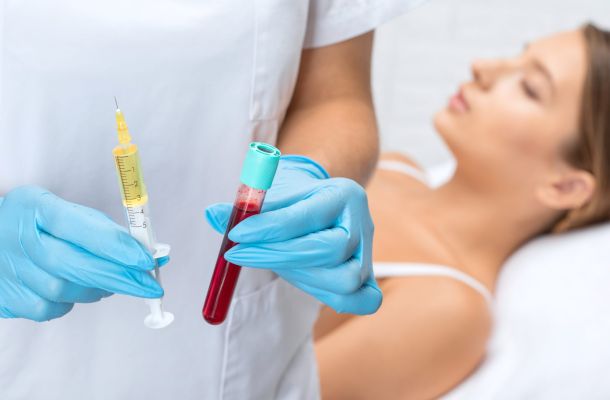
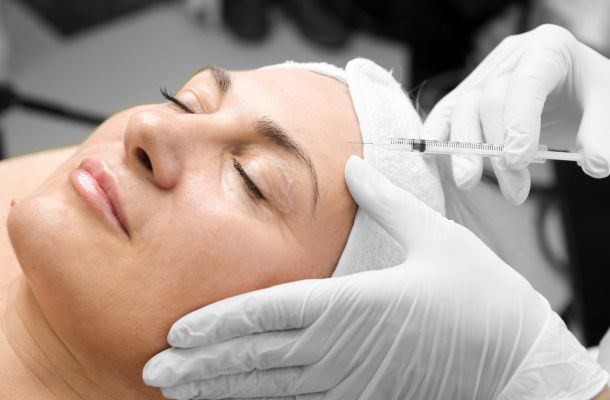
Platelet-Rich Plasma (PRP) involves extracting a portion of the patient’s blood and processing it to make it highly concentrated in platelets. These are then injected into a specific area, such as the face, scalp, or joints, where they simulate localized healing.
It is widely used for both orthopedics and aesthetic medicine, and has been shown to accelerate tissue repair in the injected area. When used for the face, it improves skin quality and texture. In the scalp, it supports hair growth.
Localized effects can be impressive, but PRP injections don’t address systemic inflammation, nor have a meaningful impact on your overall internal environment.
Stem Cell Therapy: The Blueprint for Full-Scale Cellular Regeneration
Stem cell therapy supports deeper, more comprehensive regeneration. It uses stem cells harvested from the patient, which have strong regenerative and signalling abilities. Once reinjected, they stimulate repair processes and improve tissue health far below the surface.
This makes stem cell therapies especially effective for addressing more advanced signs of aging. However, the results often depend on the internal environment of the patient. If there is high inflammation, oxidative stress, or a buildup of toxins in the system, it can interfere with how these cells communicate, potentially making the therapy less effective.
The Synergy Strategy: Why TPE is the Essential “Primer” for All Other Treatments
By cleaning out the internal environment, TPE lays the groundwork for other regenerative treatments to take effect. It clears out inflammatory markers and metabolic waste, reducing noise so that treatments have a better chance of actually working. In a clinical setting, this is often viewed as a priming strategy. The goal is to optimize the body’s internal terrain before moving on to more intensive, targeted therapies.
How TPE Enhances Stem Cell Engraftment
The research on whether TPE can help regenerative treatments take better, is still emerging, but the idea is that clearing out inflammation and waste from the plasma creates a friendlier environment for these therapies to integrate.
A cleaner system also means better circulation, which helps get nutrients and oxygen to the areas being treated. Getting the internal environment right might be just as important as the procedure itself, which is why TPE is such an exciting prospect in longevity research.
TPE vs PRP vs Stem Cells: A Recap
Feature
Therapeutic Plasma Exchange (TPE)
PRP Injections
Stem Cell Therapy
Primary Goal
Systemic “Reset” & Detox
Localized Tissue Repair
Cellular Regeneration
Reach
Whole Body (Systemic)
Targeted (Specific Joint/Zone)
Targeted or Systemic
Aesthetic Role
The Primer: Cleans the environment
The Paint: Fixes the details
The Architect: Rebuilds tissue
Key Benefit
Removes “Inflammaging” factors
Boosts local growth factors
Replaces aged/damaged cells
Duration
2-4h
Under an hour
Initial Extraction: 2-3 days downtime Injections (if cells banked): under an hour
Our Advice to Integrate TPE into Your Anti-Aging Journey
We do not offer TPE in our clinic. But here is what we recommend to our clients interested in our anti-aging treatments who want to include TPE in their protocol.
Use TPE As a Prep Work in Your Stem Cell Journey Before Flying to Switzerland
If you’re planning on stem cell therapy, think of TPE as the prep work that you can do in your home country before coming to our clinic. We recommend you to do it a week before for optimal results.
The Synergistic Protocol: Enhancing Your Results with PRP and Exosomes
TPE also plays well with more targeted treatments like PRP and exosomes, both of which we offer as part of our regenerative procedures at Clinique Lemana.
While plasma exchange handles the big picture systemic health, other regenerative therapies, such as exosomes or PRP, focus on localized signaling and repair.
Secure Your Biological Wealth With Our 30-Year Stem Cell Storage in Switzerland
Whichever combination of regenerative procedures you choose, it is worth considering extracting and storing your stem cells earlier rather than later. This allows you to preserve them while they are biologically younger and more potent. You will then have access to your own regenerative cells for future treatments.