Hair loss is a common phenomenon as people grow older, and one that has a significant effect on mental health and well-being. It is associated with low self-esteem, social anxiety, and emotional distress.
Luckily, there are various treatments available to slow or reverse hair loss. The traditional approach involved medicines such as minoxidil or finasteride, which have proven efficiency but many side effects.
Today, there is a growing interest in the regenerative approach, which targets the biological processes leading to hair loss, restoring hair follicles (the tube-like structures in the skin from which hair grows) to a more youthful functioning. This is where stem cells for hair loss enter the conversation. Their restorative effects allow for follicular regeneration, supporting the growth of healthier and more resilient hair.
So, how effective are stem cells for hair loss, and who are they best suited for?
Understanding Hair Loss and Aging
Hair loss is a complex process that has been linked to several factors, including genetic predisposition, hormonal shifts, and other age-related changes.
Why Hair Loss Happens
Hair follicles are very sensitive structures that are quick to respond to internal signals and external stressors. That’s why people commonly lose hair when they are stressed or ill, and as they get older. However, time is not the only factor at play.
- Genetic factors and androgenetic alopecia: Genetics play a major role in hair loss, particularly in androgenetic alopecia, the most common form of hereditary hair thinning. In this condition, hair follicles are genetically sensitive to androgens (a type of hormone including testosterone and DHT), and this gradually causes them to shrink and produce progressively finer hairs over time.
- Hormonal changes with age: As people get older, shifts in hormone levels, particularly androgens and oestrogen, can slow the hair growth cycle and make hair more prone to thinning and shedding.
- Inflammation and scalp health: Chronic inflammation of the scalp can also disrupt hair growth and damage follicles over time, leading to weaker hair growth and increased shedding.
- The role of aging hair follicles: As follicles age, their ability to repair themselves declines, leading to shorter growth cycles and thinner strands of hair.
How Aging Affects Hair Growth
Beyond the initial causes of hair loss, ageing itself changes how hair grows and how follicles function. Aging is linked to:
- Shorter hair growth cycles: As we age, our hair follicles tend to spend less time in the growth phase and more time in the shedding phase. This means that we lose hair quicker than we can grow it.
- Reduced follicle regeneration: Over time, follicles become less efficient at restarting a strong growth cycle after shedding. Each new cycle tends to produce weaker, finer strands, which build up to thinner-looking hair.
- Decline in stem cell activity in the scalp: The stem cells that maintain and repair hair follicles become less active and responsive with age.
The Role of Stem Cells in Hair Growth
Understanding how hair follicles function helps explain the effectiveness of stem cells for hair loss.
What Hair Follicle Stem Cells Do
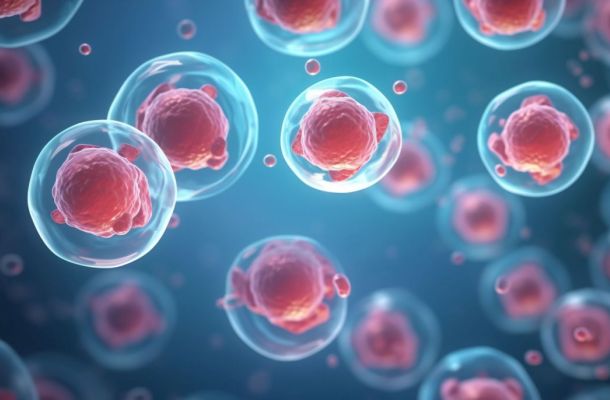
Hair follicle stem cells are found within the follicle, and they play an important role in helping the follicle repair itself, but also in initiating the growth phase.
The Hair Growth Cycle Explained
Hair grows in repeating cycles: a growth phase (anagen), a short transition phase (catagen), and a resting or shedding phase (telogen). Stem cells are essential for restarting this cycle and helping the follicle move back into the growth phase.
How Stem Cells Activate New Hair Growth
When they’re activated, follicle stem cells produce new cells that rebuild the base of the follicle, allowing a new hair strand to form. This only works properly when there’s clear communication between cells and a well-functioning, healthy scalp environment. Chronic inflammation, amongst other age-related conditions, can reduce the cells’ ability to communicate.
Why Stem Cells Become Less Active With Age
Over time, stem cells in the follicle don’t disappear, but they do become less responsive. They become less able to switch back into growth mode, leading to slower or less complete hair growth. This is linked to stem cells’ general tendency to become less potent with age.
Why Scientists Are Interested in Stem Cells for Hair Loss
Because hair follicle stem cells are an important part of the follicle regeneration and hair growth process, scientists are interested in stem cell treatments for hair loss.
- Potential to Stimulate Dormant Follicles: Rather than trying to create new follicles, much of the current research into using stem cells for hair loss is focused on using them to reactivate follicles that have become less active over time.
- Supporting Follicle Regeneration: Stem cells can improve the overall scalp environment by releasing signals that stimulate repair and healthy hair growth.
- Early Research and Clinical Exploration: While still an evolving field, early clinical studies and experimental therapies are exploring how stem cells can be applied to hair loss, and showing a lot of promise as a long-lasting fix at a cellular, rather than a superficial level.
Current Stem Cell Approaches Being Studied for Hair Loss
Although stem cell–based hair restoration is still an emerging field, several regenerative approaches are already being explored.
Stem Cell Injections
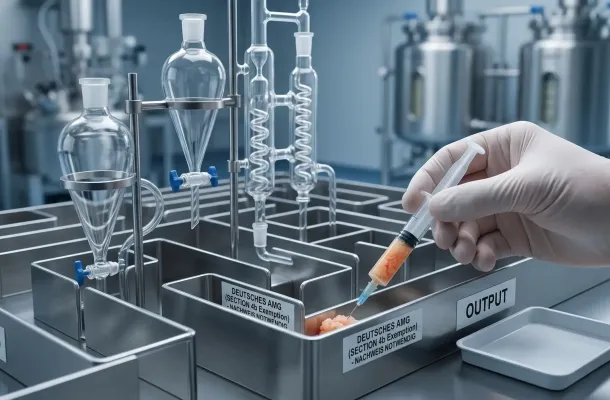
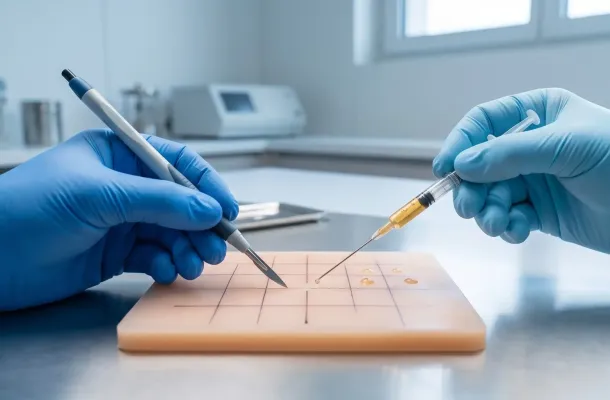
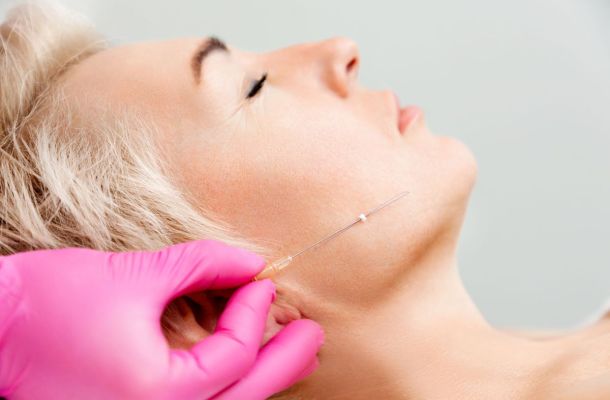
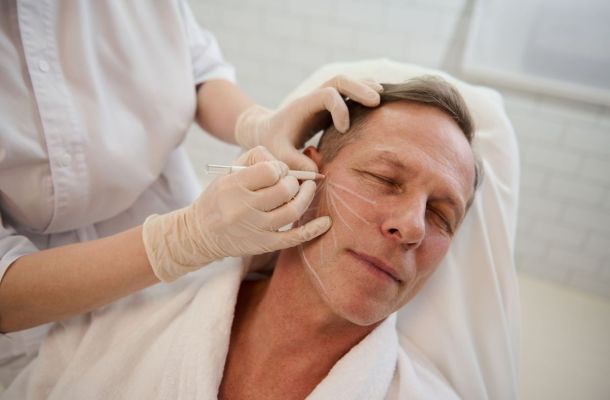
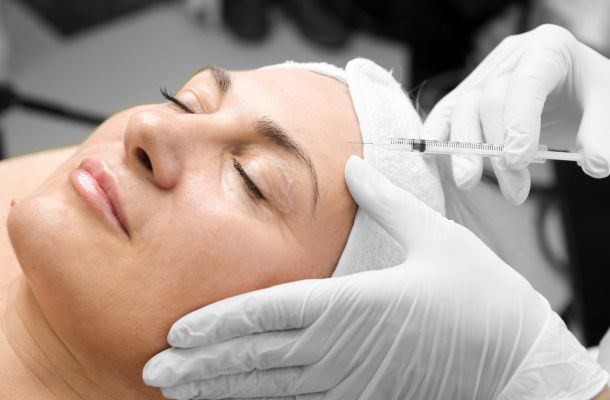
One of the most common approaches involves extracting a person’s stem cells and reinjecting them into the scalp, in a similar process to stem cell facial rejuvenation treatments. The idea is to help improve communication within the follicle and its surrounding environment, so that weakened or dormant follicles are encouraged to re-enter the growth phase.
Exosomes and Growth Factors
Exosomes and growth factors are another area of regenerative medicine that is being applied to hair loss. Exosomes are naturally occurring signalling vesicles that help cells communicate and coordinate repair processes in the body. In the context of hair loss, exosomes and growth factors support follicular activity by delivering repair signals to the scalp area.
Platelet-Rich Plasma (PRP) for Hair
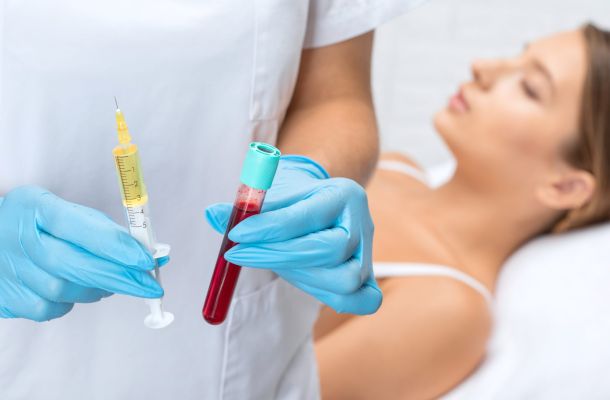
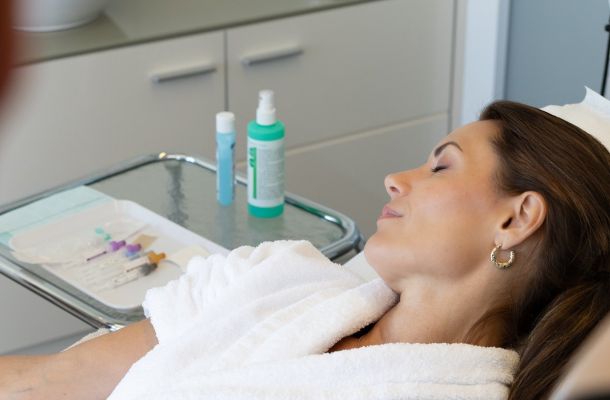
Another widely used regenerative approach is Platelet-Rich Plasma (PRP), a treatment that uses a concentrated portion of a patient’s own blood, processed to make it extremely rich in platelets and growth factors. These growth factors are thought to help stimulate hair follicles when reintroduced into the scalp. PRP treatments involve a small blood draw, some processing time, and then injections into the thinning areas of your hair.
Results vary from person to person, but patients typically report reduced shedding first, followed by gradual improvements in hair thickness and density over several months. PRP tends to work best for early-stage hair loss or thinning areas where follicles are still active rather than completely dormant.
Do Stem Cell Treatments for Hair Loss Actually Work?
Interest in stem cells for hair loss is growing quickly, but the clinical reality is still evolving. Early findings are encouraging in some cases, yet results vary widely depending on the person.
What Current Research Shows
Current research suggests that regenerative therapies may help improve hair density and quality in certain patients, but the evidence is still in its early stages. One of the main limitations is that existing studies are still relatively small and use different protocols, making it difficult to compare results and draw firm conclusions.
Results also vary a lot between patients. Some people respond well, while others see minimal change, and this largely depends on how much follicular activity is still present.
Why Hair Loss Is a Complex Biological Process
To understand why results are so inconsistent, it helps to remember that hair loss is not driven by a single factor. Genetics play a large role in determining how follicles behave over time, and while regenerative treatments may help support follicle function, they cannot fully override genetic programming.
Hormones also play a key part, especially sensitivity to DHT, which influences how follicles gradually shrink and produce finer hair. At the same time, the local scalp environment, such as inflammation and reduced circulation, affects how well follicles respond to regenerative signals.
Finally, hair growth is closely tied to overall health. Factors like nutrition, metabolic balance, stress, and chronic inflammation all influence follicle activity. For this reason, the most meaningful and lasting results often come from a more holistic approach that considers both local scalp conditions and broader systemic health.
Hair Loss: A Sign (Among Many) of General Biological Aging
Hair thinning is a reflection of broader biological changes taking place in the body.
What Hair Thinning Can Reveal About Your Body
Changes in hair density and quality can be an early warning sign of systemic aging beneath the surface. As cells age, their ability to function efficiently gradually declines, which in hair follicles can show up as slower growth, finer strands, and reduced overall activity over time. When the body’s overall repair systems begin to slow down, hair, as one of the tissues with the fastest turnover, reflects this decline early on.
Why Longevity Medicine Looks Beyond Hair
Longevity experts don’t typically consider hair loss in isolation. Instead, it is often viewed as one visible indicator of overall biological ageing. While hair changes are easy to notice, they tend to occur alongside less obvious shifts.
Rather than focusing only on outward symptoms, regenerative and longevity approaches aim to target deeper underlying processes such as inflammation, cellular senescence, and reduced repair capacity. Stem cells for hair loss should also be considered within this framework.
Established Regenerative Medicine for Skin and Cellular Rejuvenation
Regenerative medicine is increasingly being used in aesthetic and longevity-focused care to support the body’s natural repair mechanisms.
How Stem Cells Are Used in Anti-Aging Medicine
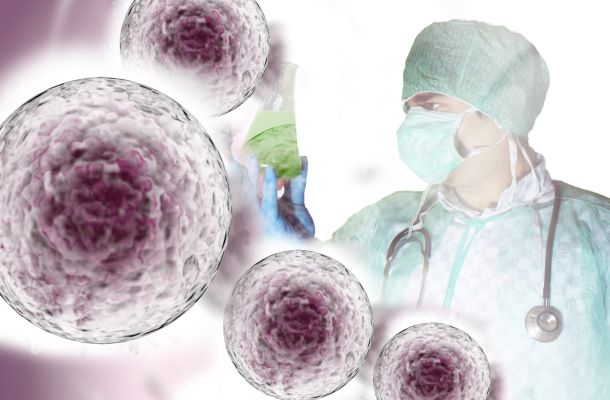
Stem cells have strong regenerative capabilities due to their ability to transform into multiple types of cells and to boost signalling and stimulate repair in their new environment. That’s why they are at the heart of cutting-edge anti-aging medicine.
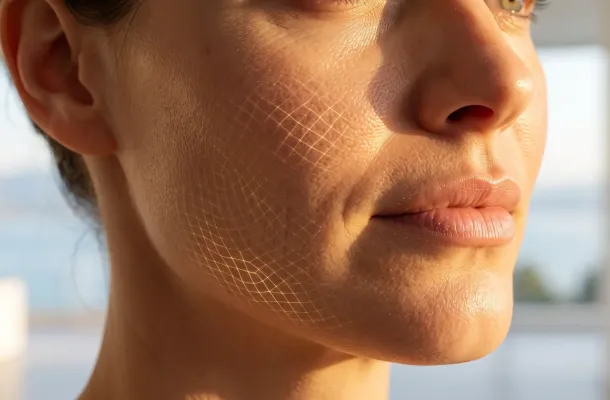
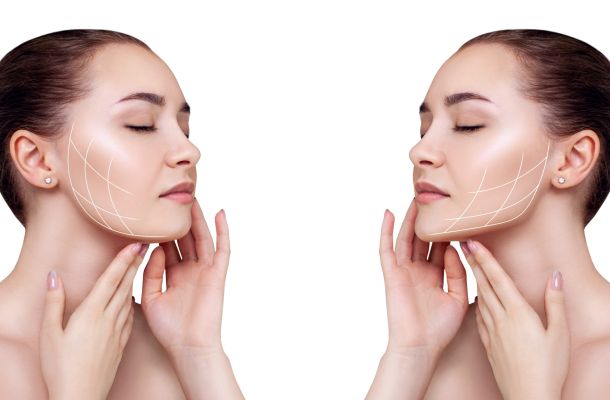
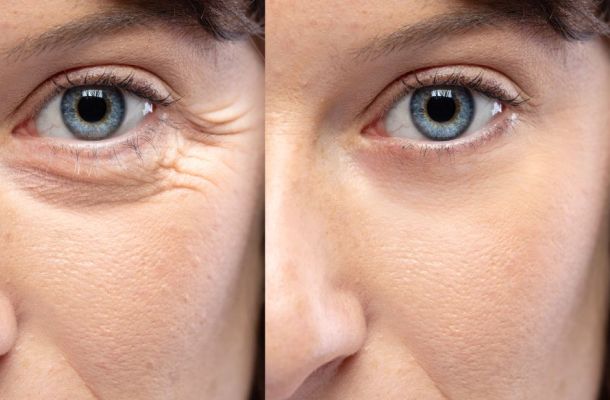
For example, in the context of stem-cell facial rejuvenation treatments, they stimulate fibroblasts, increasing the production of collagen, a protein that plays a vital role in maintaining the skin’s structure and texture. They also help rebuild the underlying fat pockets that give the face its shape and prevent sagging.
Other Regenerative Therapies for Healthy Aging
Alongside stem cell-based approaches, several other regenerative treatments are being used or studied within anti-aging medicine:
- Exosome treatments: Exosomes help regulate communication between cells. They are used to support skin repair and reduce inflammation.
- Platelet-Rich Plasma (PRP) therapies: PRP uses concentrated growth factors derived from the patient’s own blood. It is widely used to support skin rejuvenation and is often included in regenerative aesthetic protocols.
- Cellular revitalization protocols: More comprehensive approaches combine multiple therapies, improving tissue quality, boosting repair mechanisms, and reducing inflammation all at the same time.
Why You Should Have a Holistic Approach to Aging Well
The best approach for reversing aging incorporates several therapies into a holistic program.
Regenerative Medicine Focuses on the Whole Body, Not Just Your Hair
While visible signs of ageing, such as hair loss, are often what first prompt patients to seek treatment, they are reflections of deeper biological shifts occurring at a cellular level.
Rather than just reversing surface-level effects, you need to think in terms of improving cellular function as a whole. This means combining hair restoration procedures with therapies that aim to reduce chronic inflammation or metabolic imbalance, two key drivers of accelerated aging, as well as considering regenerative therapies that restore the body’s resilience and ability to repair itself.
If You Start Losing Hair, It’s Probably Time to Consider a Personalized Longevity Program
Hair loss is an early indicator of wider physiological changes, and you should use it as a prompt to assess your overall health. Don’t rely on a single intervention, but consider combined approaches for systemic results. Sustainable anti-ageing programs combine lifestyle changes and regenerative procedures.
Our Advanced Anti-Aging Treatments at Clinique Lémana
At Clinique Lémana, our approach to ageing is grounded in regenerative and longevity-focused medicine. Rather than treating isolated symptoms, our protocols are designed to support your overall health, and have you looking and feeling youthful and refreshed.
Swiss Hair Restoration and Regenerative Therapies for Skin and Cellular Health
Our clinic offers cutting-edge programs against hair loss, integrated into an approach that works at a deeper biological level to support cellular renewal from within.
- Stem cell–based treatments aim to support the skin’s natural regeneration processes, helping improve texture, firmness, and overall vitality by enhancing cellular activity.
- Exosome therapies focus on cellular communication, helping regulate repair signalling within the skin and supporting a more balanced tissue environment.
- PRP treatments use growth factors derived from the patient’s own blood to support natural repair processes, improve skin tone, and encourage rejuvenation.
Longevity Programmes Focused on Cellular Rejuvenation
Our longevity programmes are designed for patients seeking a more comprehensive approach to ageing well, combining regenerative medicine with lifestyle-based interventions.
Each program is tailored to the individual, taking into account biological age, health markers, and personal goals to create a structured and personalized plan. Where appropriate, medically supervised metabolic or fasting protocols may be included to support systemic balance and reduce biological stressors.
These approaches focus on prevention and long-term optimisation, aiming to support cellular health before visible signs of ageing become more pronounced.
Stem Cell Banking for Long-Term Regenerative Use
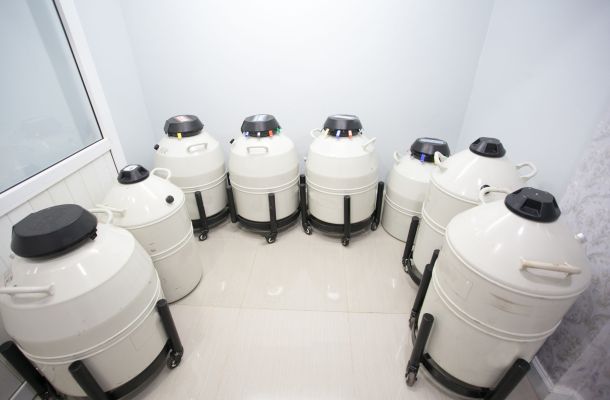
Clinique Lémana also offers stem cell storage services designed to give patients potential access to future regenerative treatments as the field continues to evolve. A single extraction can facilitate access to regenerative treatments for decades, while preserving the current potency of your stem cells.
Contact us for a free appointment to assess your needs and explore your personalized anti-aging plan.