Facial Stem Cell ROI: Why It’s Cheaper Than You Think
3 April 2026
It feels like everything is a subscription these days. You pay monthly for TV shows, for fitness apps, for music, and for cloud storage. For a long time, anti-aging treatments felt like a subscription, too. You had to get small procedures over and over again. Botox every few months, fillers every year, lasers when the budget allows. Over time, the cost of the procedures adds up, not to mention the psychological toll.
Facial stem cell injections are often dismissed as an option only for the ultra-wealthy, because the upfront price is higher than traditional anti-aging treatments. But when you consider the long-term return on investment (ROI), stem cell treatments reveal their value. Their effects last for years or even decades. You don’t need many maintenance procedures, and the lifetime cost could well work out lower than traditional cosmetic treatments.
In this article, we break down the real stem cell ROI, compare stem cells vs fillers, and explore why regenerative treatments may actually be the more cost-effective option over time.
Stem Cell ROI: A Breakdown of Costs
Stem cell treatments come with a high price tag because the process includes several complex steps, requiring medical expertise and infrastructure. This is why stem cell ROI is often misunderstood at first glance.
Unlike fillers or Botox, which are produced in bulk and administered quickly, stem cell therapies use personalized biological material. For each patient, this has to be extracted from the body, taken to a lab and processed.
Surgical Extraction
The first step of a stem cell treatment is the extraction of stem cells from your own body. Usually, a small amount of fat tissue is taken from areas such as the abdomen or thighs. The process is minimally invasive and conducted under local anaesthesia, but it is still a surgery, and requires the costs of medical staff and the use of a sterile clinical setting.
Cellular Isolation
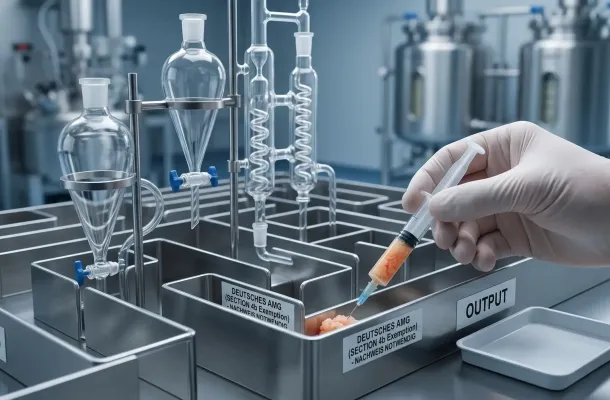
Once your tissue has been collected, it is sent to a laboratory where the stem cells are isolated and purified. This stage requires specialized biotechnology equipment, as well as a sterile environment and expert lab technicians. It is a make-or-break part of the treatment, because how the stem cells are processed determines how many cells remain viable and safe for therapeutic use.
Cryogenic Storage (Optional)
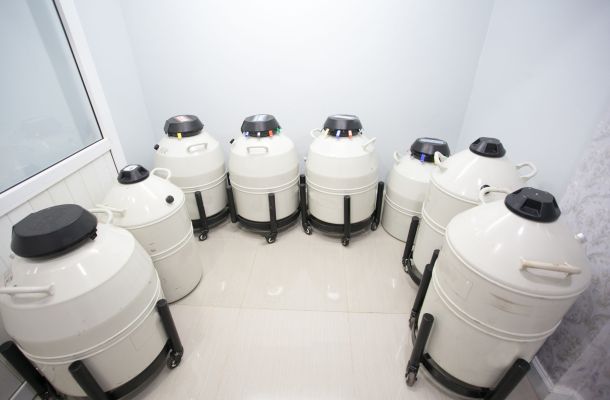
Some clinics offer the option to store your stem cells for future use. They can be cryogenically preserved so as to remain viable for many years and then be used for future regenerative treatments. There are two major advantages to this. Firstly, you preserve your stem cells at a younger biological age, when they are more potent. Secondly, it makes all future treatments easier and cheaper, as you won’t have to repeat the extraction and processing phases.
This part of the procedure is optional and incurs extra fees, depending on the clinic and how long you want to preserve your cells for.
Facial Injections
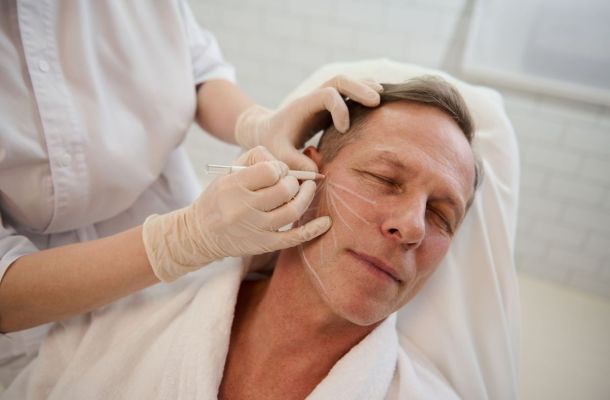
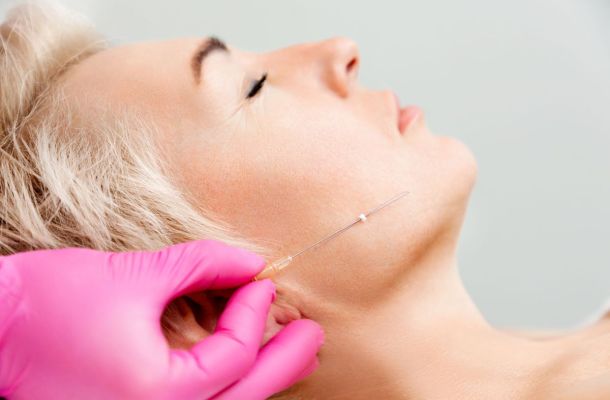
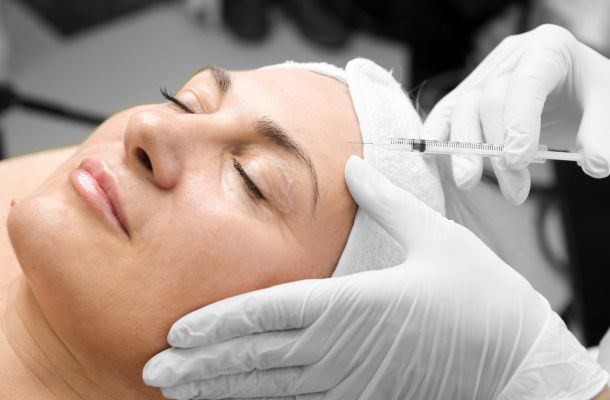
Finally, the prepared stem cells are carefully injected into targeted areas of the face. Again, this step requires medical expertise so that the injections can be strategically placed and done with the necessary precision.
Why the “High-Ticket” Label on Stem Cell Injections Is a Perspective Error Based on Short-Term Thinking
Stem cell injections are often labelled as “expensive” compared to other aesthetic procedures. This only takes into account the upfront cost of the treatment, and doesn’t factor in the long-lasting results and long-term value that come with it.
Most “Cheap” Fillers Dissolve and Quickly Become a “Subscription”
Dermal fillers are often marketed as an affordable way to improve the shape of your face and smooth wrinkles. However, most commonly used fillers, such as hyaluronic acid-based products, dissolve within 6 to 18 months.
To keep seeing results, you need to have regular injections, sometimes up to twice a year. These maintenance sessions quickly turn the treatment into a sort of subscription, where you have to pay to keep your face looking the same. The costs add up, and need to be taken into account when comparing stem cell vs fillers over the long term.
Stem Cells Are Usually Extracted Once and Injected Every 5 to 10 Years Without Further Surgeries
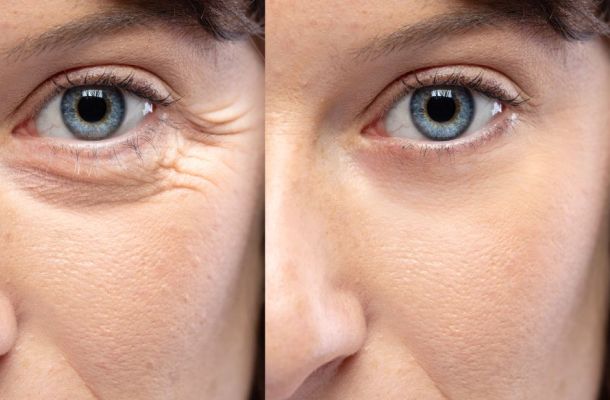
The difference between stem cell treatments and traditional anti-aging treatments is one of kind, not of degree. Stem cell treatments don’t just tackle the symptoms of skin aging, but the root causes beneath the surface. They make your skin healthier and better able to repair itself, another key factor driving stem cell ROI over time.
These effects last from three to over 10 years, so you don’t need to constantly schedule follow-up appointments. On top of that, you can choose to store your stem cells after the first extraction process. This makes future stem cell treatments quick, easy, and affordable, as you’ll only require the injection, not the surgical procedure or processing.
Surgical Facelifts Aren’t Cheap — and Aren’t Without Obvious Drawbacks
Surgical facelifts can deliver dramatic results, and you might wonder about their value-for-money compared to stem cell therapy.
Costs of surgical facelifts can easily reach five figures, and they have some major drawbacks compared to stem cell treatments. They involve a much more invasive surgery. You need to be put under general anesthesia, accept a longer recovery time, and higher medical risks. Many people find they require complementary treatments to address skin texture, as surgical facelifts mainly impact face shape and structure.
Stem cell treatments also deliver a more natural look, as they restore your face shape from within, rather than changing it mechanically.
Overall, stem cell treatments offer long-term value far beyond that of traditional aesthetic procedures.
Stem Cell Banking: The Secret Behind the High ROI of Regenerative Medicine
The possibility of banking your stem cells following an initial extraction adds long-term stem cell ROI.
Up to 30-Year Hedge: Securing 2026 Cellular Potency for 2056 Treatments
Stem cell banks can store cells for up to 30 years. That means that you can extract cells today and use them decades later, when signs of aging have become more pronounced, and regenerative therapies become even more advanced.
Storing Cells Helps Avoid “Biological Inflation” as You Age
Stem cells become less potent as you age, so the sooner you bank them, the stronger their regenerative potential. You’ll be able to benefit from younger, more active cells when you need them the most.
By banking cells earlier, you can avoid what some clinics informally call “biological inflation,”, ie. the gradual decrease in cellular quality that comes with aging.
The Hidden “Downtime ROI”: Why You Actually Save Money by Avoiding the “Surgical Sabbatical”
When considering the costs of aesthetic treatments, you need to take into account any potential downtime they require. Having to spend weeks recovering, possibly missing work, adds hidden cost to any procedure.
The Time-Tax on Surgical Facelifts: Comparing a 48-Hour Recovery to 21 Days of Lost Productivity
Surgical facelifts are generally followed by two to three weeks of recovery, with swelling, bruising, and restrictions on what you can do. That means two or three weeks away from your busy life, and a whole lot of lost productivity.
Regenerative treatments like stem cell therapies come with much shorter recovery periods, usually under 48 hours of mild redness. You can return to your normal activities quickly and avoid disruption to your everyday life.
Social and Professional Liquidity: The Value of “Untraceable” Results Without the Surgical Tell
Surgical procedures like facelifts also leave visual signs that make it obvious that you have had work done. The “post-surgery look” is likely to affect your social calendar for at least a few weeks.
You won’t face this problem with stem cell treatments, because they have subtle, progressive improvements that essentially return your face to its former shape and texture. The differences will be noticeable, but hard to pinpoint. Practitioners often describe it as “untraceable” rejuvenation.
Results and Risk Mitigation: How Regenerative Biology Prevents the Costly “Plastic Look”
The “post-surgery look” that comes with some anti-aging treatments, like facelifts, brings its own costs down the line.
Anti-Aging via Stem Cells Gives You a Natural Look and Eliminates the Need for Future Corrective Surgery
One of the main reasons people undergo corrective aesthetic procedures is that earlier treatments gave them overfilled or unnatural results. Traditional fillers and aggressive cosmetic interventions can add up over time, and some people require dissolving procedures or surgical corrections.
On the other hand, stem cell treatments gradually restore you to a more youthful appearance. This takes place gradually and looks very natural, because what is actually happening is that your skin structure and resilience are being rebuilt under the surface. You don’t get the exaggerated or “plastic” look that leads many patients to seek additional corrective work.
Tissue Quality vs. Volume: Stem Cells Actually Improve Skin “Equity” Rather Than Just Filling Space
Fillers, Botox, and similar treatments focus on adding volume to the face to replace the fat that diminishes with age. This can temporarily smooth wrinkles and counteract sagging, but it doesn’t improve the underlying condition of the skin, nor its texture and elasticity.
Stem cell treatments actually restore tissue quality and skin structure, rather than just filling space. They stimulate collagen production and strengthen the skin’s biological structure. The results are more durable and natural-looking.
Stem Cell Extraction and Injections Carry Very Low Risk for Your Health and None for Your Look
Another advantage of regenerative treatments is their generally low complication rate, particularly when using your own cells. Because the material comes from your own body, the risk of rejection or allergic reaction is minimal compared to synthetic substances.
The aesthetic risk is even lower. Stem cells work on your existing tissue rather than reshaping your facial anatomy with external substances. The outcome is gradual and proportional, avoiding the dramatic changes that make some people feel self-conscious or make it obvious that they’ve had work done.
Recap: A 10-Year Financial Forecast—Stem Cells vs. Fillers vs. Facelifts
Cost Factor
Temporary Fillers
Full Facelift (Surgery)
Stem Cell Therapy (Banked)
Initial 12-Month Spend
Low ($2k – $4k)
High ($15k – $50k)
Mid-High ($10k – $50k)
Year 2–10 Maintenance
Constant ($20k+)
Low (Until revision)
Minimal (Storage fees + 1 injection)
Downtime (Work Loss)
Minimal
Extreme (3–4 weeks)
Low
Results and looks
Least natural
Depends
Most Natural
10-Year Cumulative
Highest
High
Lowest
Extract and Bank Your Stem Cells in Switzerland With Clinique Lémana
At Clinique Lémana, patients can extract their stem cells and undergo regenerative therapy in a beautiful setting. We also offer storage of up to three decades, so you can benefit from regenerative care in the years to come.
5-Star All-Inclusive Medical Stay
Clinique Lémana is set in a five-star hotel overlooking Lake Geneva, an idyllic setting for a short medical stay. All treatments are performed in medical-grade settings by regenerative experts, and the environment lets you recover in comfort rather than feeling like you’re in a hospital.
30-Year Stem Cell Storage
Once extracted and isolated, your stem cells can be cryogenically stored for up to 30 years. This allows you to preserve the cellular potency you have today and potentially use those same cells for regenerative treatments later in life.
Pair Your Stem Cell Cures With Other Regenerative Treatments
During your stay, stem cell therapy can be combined with other regenerative treatments. These approaches provide immediate visual improvements while your stem cells rebuild your skin from within.
Get in touch today to create a personalized plan, tailored to your needs.