Stem Cell Therapies in Germany: What Is Legal vs What Is Not
Stem cell therapies are developing rapidly, but they are still at the cutting edge of aesthetic and regenerative medicine. That’s why the legislatio…



Stem cell therapies are among the most advanced regenerative treatments available today. Yet not all countries have kept pace, either in terms of regulation, medical expertise, or access to the latest technologies. This explains why a growing number of patients are looking beyond their home countries for treatment.
As a result, a wave of medical tourism is seeing people travel abroad to access stem cell treatments that are either unavailable or prohibitively expensive where they live. For those considering treatment, this raises an important question: what is the best country for stem cell therapy?
The answer depends on what you are looking for. Some countries offer treatments at lower prices, but without the same clinical standards or expertise found elsewhere. Others are known for their expertise in regenerative medicine and excellent medical infrastructure. This article will help you understand which countries are leading the field in stem cell treatments, and what to consider before traveling for care.

For centuries, people have turned to Switzerland to preserve their fortune and cultural assets amongst the sturdy alpine peaks. Today, the country is allowing people to protect their most important asset of all: their health.
Laboratories and longevity clinics operate under the strict regulation of Swissmedic, and procedures are performed by practitioners specialized in regenerative treatments. Switzerland is becoming a “biological vault,” where you can store your stem cells and receive advanced treatments in ultra-discreet luxury clinics.
Switzerland has one of the most rigorous medical regulatory frameworks in the world, which includes explicit legislation around regenerative medicine.
Stem cell therapies are overseen by the regulatory agency Swissmedic, and all clinics have to follow strict standards about laboratory conditions, cell processing, and treatment protocols. In Switzerland, patients can rest easy, knowing that their treatment is safe and high-quality.
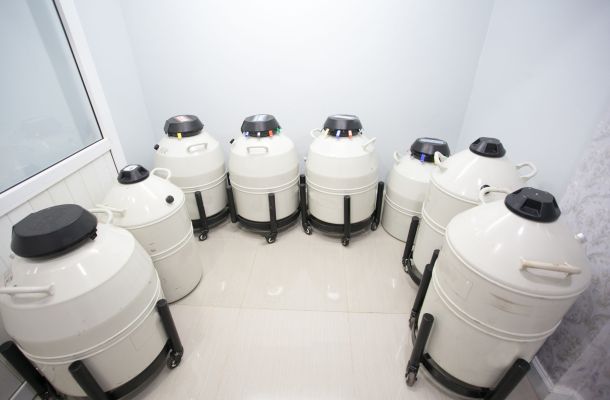
The country is also home to advanced cryopreservation facilities, where you can store your stem cells for decades.
Some longevity clinics like Lemana offer storage of up to 30 years.
As you age, you can undergo regenerative procedures using stem cells that are preserved at a younger biological age. The political and economic stability of Switzerland provides reassurance that these assets will remain accessible in the years to come.
Switzerland has a strong reputation in regenerative aesthetics, and particularly in longevity treatments that produce subtle and natural-looking results.
Stem cell treatments are the pinnacle of this.
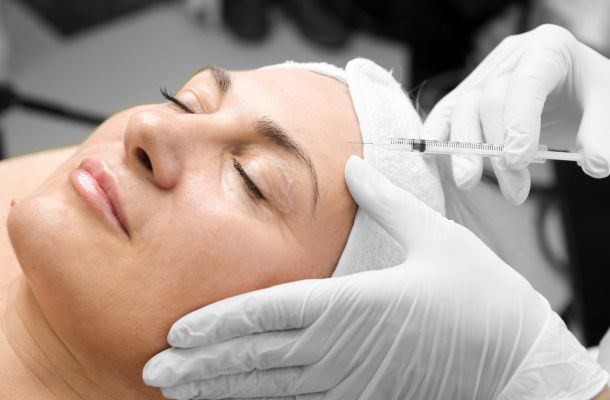
They use autologous (your own) cells and improve the quality of skin far below the surface. Your face isn’t drastically altered, but rather regains its own youthful appearance, so that the person you see looking back in the mirror is a younger you, rather than a stranger.
Discretion is another factor that attracts patients to Switzerland. Swiss medical culture places a strong emphasis on confidentiality. All the best stem cells clinics in Switzerland are accustomed to having high-profile patients and protecting their privacy.
Switzerland has four official languages, so you won’t have any difficulty communicating when you are there. Medical staff speak perfect English (and often French, German, and Italian as well). Medical tourism has brought people to Swiss longevity clinics for decades, so they are well accustomed to working with foreign patients.
The high standards and expert knowledge available in Switzerland come at a cost, and the upfront price of stem cell therapies is the highest amongst medical tourism destinations. You can expect to pay $20k–$50k for a full protocol.
However, you are ensured a high-quality treatment, which can mean better long-term value, with results lasting up to a decade. Combined with stem cell banking for up to 30 years which means simple injections for future treatments with low down time, the ROI on your stem cell journey remain very competitive.
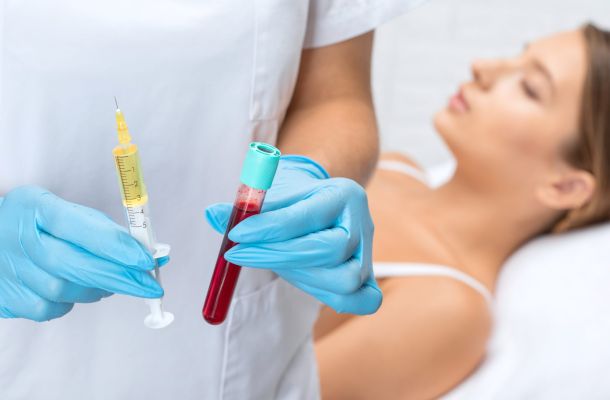
For cosmetic procedures in Switzerland, only autologous (your own) stem cells can be used. This means that the risks of rejection are extremely low. However, it also makes it necessary to undergo a small surgery to extract your stem cells. This is minimally invasive and requires little to no downtime.

In the past decade, Japan has taken several steps to become a “regenerative powerhouse”. Driven by the needs of its own aging population, the country created a regulatory environment that encourages innovation in regenerative treatments. The Act on the Safety of Regenerative Medicine (ASRM) means that Japan offers advanced procedures years before they become available in the US.
Many countries have strict “minimal manipulation” laws for injecting stem cells, meaning that they can only use the cells they harvested from your body. In Japan, however, protocols allow for massive expansion of the extracted cells. It is common for patients to receive upwards of 100 million stem cells per session.
Japan’s openness to innovation does not come at the expense of safety. By law, all cell processing has to take place in Certified Cell Processing Centers (CPCs). These abide by pharmaceutical-grade sterility standards and are overseen by the Ministry of Health, with frequent inspections.
Japan is often the first to the market with “next generation” treatments, such as exosome-augmented stem cell therapies. Exosomes are little sacks that carry messages between cells. They encourage growth and repair, telling cells how to heal. When combined with stem cell treatments, exosomes add an additional regenerative boost.
Unlike the multilingual, tourism-centric clinics of Switzerland, the Japanese medical system is mainly designed for domestic use. Not all facilities are accustomed to working with foreigners, and it can be very difficult to navigate the paperwork, not to mention communicating with medical staff throughout the procedure. Many people choose to hire a specialized medical concierge to help them through the process, which comes at an additional cost.
While Swiss clinics offer tailored programs adapted to patients’ lifestyles, Japanese practitioners follow strict, pre-approved government templates. Because every treatment plan must be filed with a regional committee, there is less room for customization. If you choose Japan for treatment, you should be prepared to follow the treatment path exactly as it is laid out.
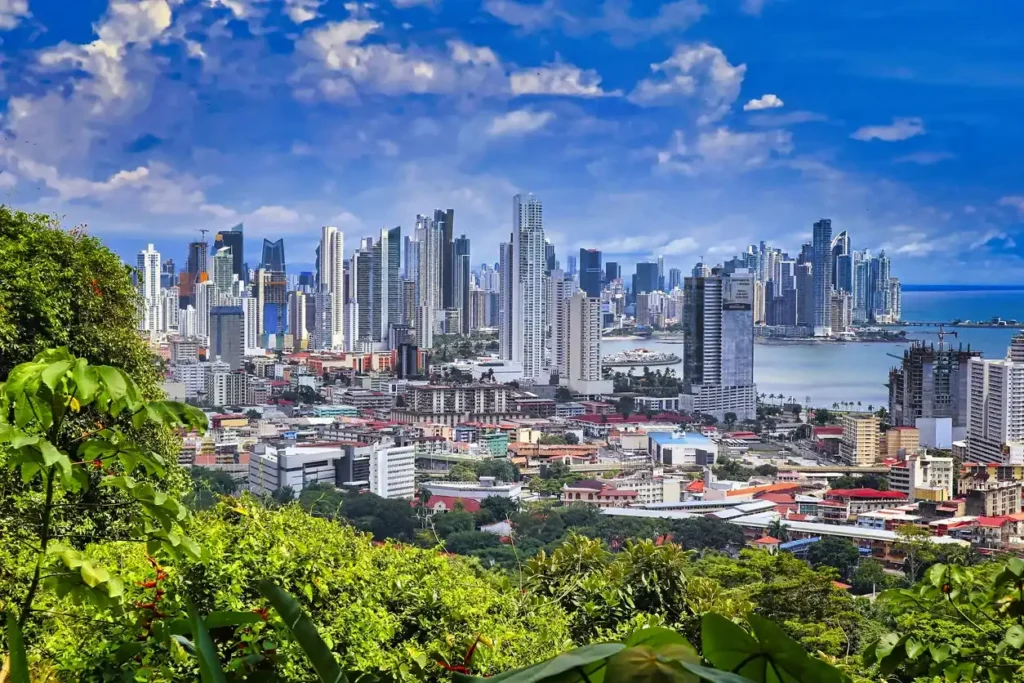
Panama is a leading destination for “Golden Cell” treatments, meaning procedures that use umbilical cord-derived stem cells. Since these come from donors, not your own body, no surgery is necessary, making it a “fly-in, fly-out” destination. It is a popular choice for celebrities and athletes.
The most significant difference between the Panamanian model and that of Switzerland and Japan is the use of donor cells rather than autologous cells. Patients in Panama don’t need to undergo a liposuction procedure to extract fat tissue, which is then processed to isolate and purify stem cells. They simply receive injections of umbilical cord-derived MSCs, which are known for their high regenerative potential, and are still illegal for cosmetic use in many countries.
Panama’s protocols are less focused on facial rejuvenation and more on whole-body resetting. Umbilical cord stem cells are biologically younger and more powerful than those extracted from older patients. Research shows their effectiveness for reducing inflammation. This makes Panama a top choice for those who want to improve their overall physical health or address specific autoimmune or inflammatory issues.
Many of Panama’s leading clinics are US-affiliated, meaning they abide by Western clinical standards and have a majority of US-trained, board-certified staff. This can be reassuring for patients from the US or Europe, who will find the bedside manner and medical standards familiar. English is also widely spoken throughout Panama’s medical community.
In Panama, you aren’t using your own cells, but stem cells extracted from donor umbilical cords. Umbilical cord MSCs are “immune-privileged”, which means that they rarely trigger a rejection response. However, some patients find it more opaque than using their own cells, since you are relying on the clinic’s internal screening and the health of the original donor.
No extraction phase also means that you cannot take advantage of your stem cell treatment to bank stem cells for later use. Stem cell storage has a long-term advantage, since the potency of your stem cells declines with age. Banking them sooner rather than later means you can “bank” your younger self for later use, allowing you to easily access regenerative treatments as you age.
Panama is not a “budget” destination when it comes to medical tourism. Stem cell treatments often cost $20k to $40k, placing Panama in the same price bracket as Switzerland. Since you cannot bank your stem cells, which provides long-term value and the potential for cheaper treatments down the line, Panama doesn’t offer such good long-term value if you are looking for a lifetime longevity strategy.

South Korean skin products and cosmetic surgeons are world-famous. In Seoul, stem cell therapy is treated as an extension of this beauty culture. They are seen as the ultimate “skin booster.” If your aim is immediate rejuvenation and a “glass skin” look, Korea’s programs combining stem cell treatment with plastic surgery are hard to beat.
South Korean clinics specialize in stacked treatments. They see stem cell therapy as one element of a beauty program, and combine it with facelifts, fat grafting, or laser resurfacing. Some research supports this approach. For instance, adding stem cells to fat grafts could make the results last longer. Applying stem cells after deep laser treatment, which creates microinjuries in the deeper layers of the dermis, could boost the repair signals sent to the skin tissue.
Prices of stem cell treatments in South Korea are extremely competitive, especially considering that the country has some of the most sophisticated medical infrastructure in the world. Because the market in Seoul is so saturated with high-end clinics, prices are often more accessible than in Switzerland or Panama. You can find integrated stem cell treatments in the $8-15k range.
Korea’s medical tourism is known for its efficiency, and the country has some of the fastest stem cell treatment protocols available. Some clinics use on-site mini labs to reduce processing time, with stem cells isolated and purified on-site. Thanks to this, same-day or overnight procedures are available.
The main drawback of the Korean model is that it prioritises immediate visible improvements over long-term results. If you are hoping for rejuvenation that lasts for decades or looking to treat other issues using stem cells, the beauty-centric clinics of Seoul might not offer the vision you need.
While South Korea is medically advanced, its regulatory landscape for stem cells isn’t as centralized or as well defined as Japan’s ASRM or Switzerland’s SwissMedic. Many procedures fall into a legal gray zone, meaning that patients need to do a lot more due diligence when picking their clinic to ensure they get high standards of treatment.
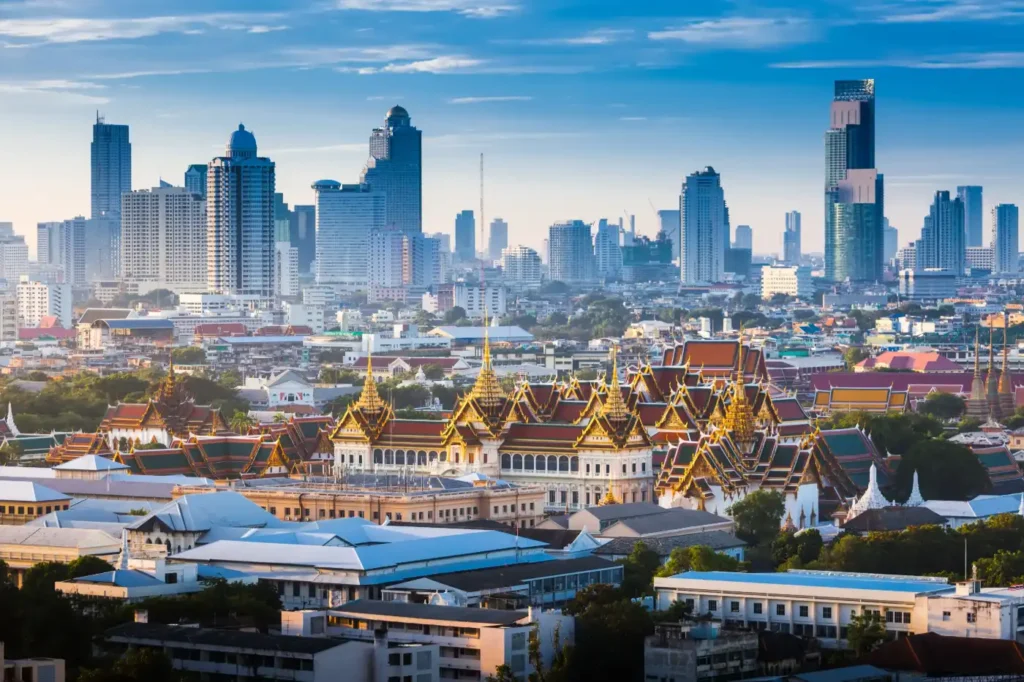
When it comes to patient volume, Mexico and Thailand are the clear global leaders for regenerative medical tourism. They are the go-to choices for people who are priced out of Switzerland or Japan. While some clinics offer high-quality stem cell treatments, a lot of caution and careful research is needed to pick the right one.
The price tag is the main draw of Mexico and Thailand when it comes to stem cell treatments. You can find advanced protocols for between $3,000 and $10,000, a fraction of what you would pay elsewhere. This makes regenerative medicine accessible to far more people.
Both Mexico and Thailand are popular tourist destinations in their own right, and clinics have mastered a medical vacation model that makes treatments feel like once-in-a-lifetime trips. In Mexico, clinics in Cancun and Puerto Vallarta offer luxury beachfront accommodation with their treatment packages. In Thailand, hospitals in Bangkok and Phuket have wellness suites that feel like you’re in a high-end hotel. This reduces the stress of treatment and makes traveling for care feel like less of a chore.
The standard of treatment provided by clinics in Mexico or Thailand varies wildly. Top-tier clinics use state-of-the-art, COFEPRIS-licensed (Mexico) or Ministry of Public Health (Thailand) certified labs with expert technicians. However, some budget operations may use substandard laboratories. The biggest risk for a patient is receiving unviable cells, which are effectively dead biological material with no regenerative benefit.
While both countries have made progress on regulation in recent years, oversight is significantly more lax than in countries like Japan or Switzerland. Some clinics offer experimental treatments that haven’t been fully vetted. There is a lot more burden on the patient to vet the credentials of all clinics, doctors, and laboratories involved in the procedure, which can cause a good deal of stress and uncertainty.
| Country | Primary Intent | Regulatory Safety | Cost Range (USD) | 30-Year Banking? |
| Switzerland | Elite Anti-Aging & Banking | Highest (Swissmedic) | $25k – $50k | Yes (Gold Standard) |
| Japan | High-Count Systemic Tech | High (MHLW) | $15k – $30k | Limited |
| Panama | No-Surgery IV Therapy | Moderate | $20k – $40k | No (Donor Cells) |
| South Korea | Aesthetic/Skin Focus | Moderate | $8k – $15k | Case-by-case |
| Mexico | Value/Chronic Conditions | Variable (COFEPRIS) | $3k – $10k | Rarely |
If you are leaning towards Switzerland’s reliable, safe, and advanced medical environment for your rejuvenation treatments, Clinique Lemana is a great place to start.

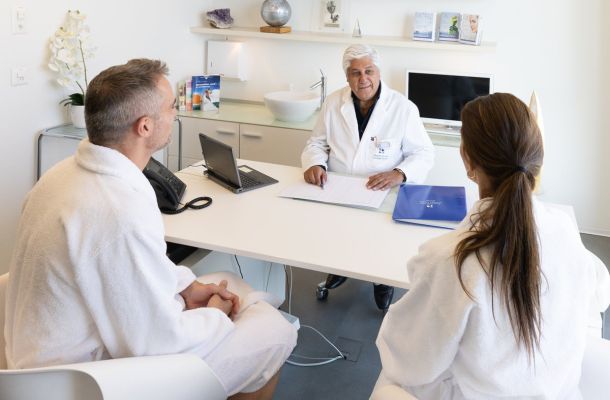
Clinique Lemana is set in a five-star hotel with medical-grade treatment facilities. The extraction of your cells, lab processing, and reinjection will be handled by our experts, and in your downtime, you can enjoy a vast wellness area and amazing restaurants on site.
Clinique Lemana offers stem cell storage plans for up to 30 years, so you can store your cells at their prime and use them in later years for regenerative treatments.
We have a wide offering of regenerative procedures that can be combined with stem cell treatments for added effects.
Our practitioners can help you design a program that is tailored to your needs and your wishes. Reach out today to find out more.