Senescent cells are often referred to as zombie cells because they stop functioning normally but refuse to die, lingering on in the body. Since they are still technically alive, the immune system doesn’t clear them out, and they secrete inflammatory signals that damage neighboring healthy cells.
Cellular senescence is one of the primary drivers of inflammaging, meaning the chronic, low-grade inflammation that accelerates nearly every age-related condition, from skin sagging to cognitive decline.
Luckily, modern regenerative medicine has developed several ways to slow cellular senescence and remove zombie cells. This helps slow aging from within.
In this article, we’ll explain the science of why cells go dormant, the lifestyle shifts that can slow cellular senescence, as well as the cutting-edge clinical treatments that turn back the biological clock by fighting zombie cells.
Understanding Cellular Senescence
The discovery of cellular senescence was one of the biggest breakthroughs in longevity science of recent decades, since it explains why our bodies gradually lose their ability to self-repair.
What Is Cellular Senescence?
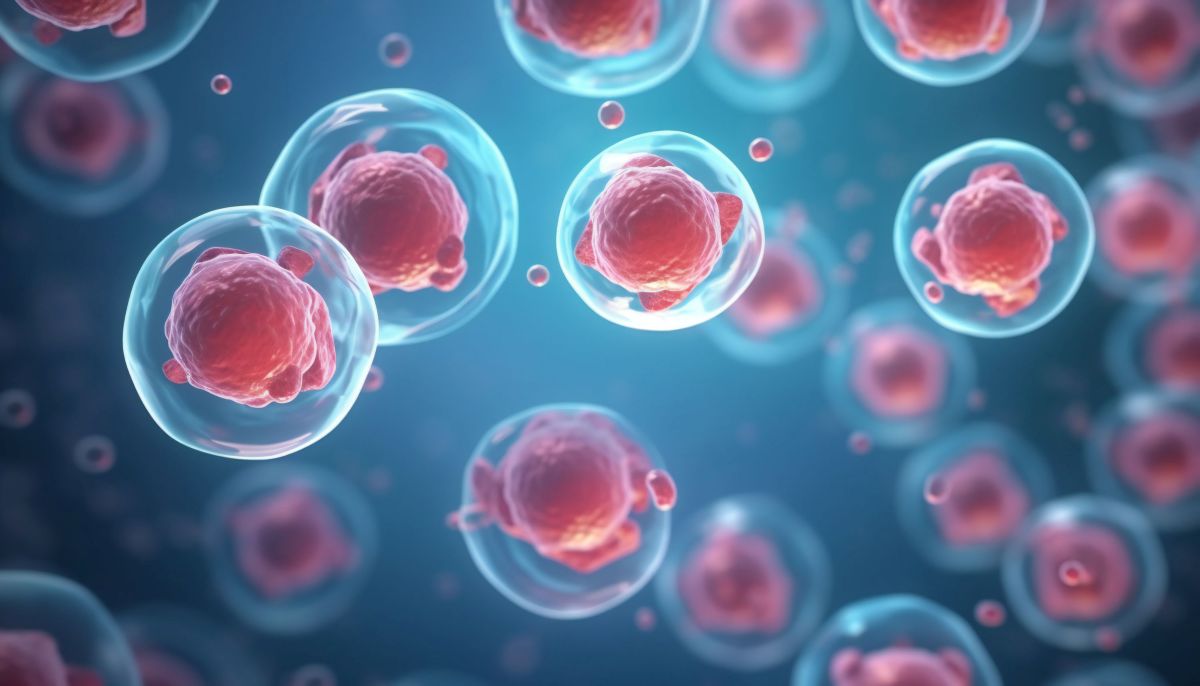
Cellular senescence happens when cells lose the ability to divide without actually dying. This means that they remain present in the body but no longer contribute to its growth or maintenance, and in fact have a negative effect on surrounding tissues by releasing inflammatory signals.
The Role of Senescence in a Youthful Body
Cellular senescence happens throughout our lives, and in a youthful body, it serves many important functions. It stops damaged or dysfunctional cells from dividing, so that genetic errors aren’t reproduced, it contributes to wound healing, and limits the formation of tumors.
Why Cells Stop Dividing
Cells enter senescence for several reasons, most commonly after reaching the Hayflick Limit, a natural cap on how many times cells can replicate, typically between forty and sixty times. Once a cell reaches this limit, or if it sustains significant damage in another way, it enters a state of permanent growth arrest. It remains alive and active, but it isn’t able to create new, healthy tissue.
How Senescent Cells Accumulate Over Time
In a well-functioning system, senescent cells are regularly cleared by the immune system. However, as we age, this process becomes less efficient. The immune system tends to become less powerful, while at the same time, a growing number of cells enter senescence due to cumulative stress and damage. This leads to a gradual build-up of non-functional cells, which begin to accumulate in tissues and contribute to chronic, low-grade inflammation.
Why Cellular Senescence Accelerates Aging
The presence of these lingering cells wouldn’t be a problem if they were dormant, but they remain active and emit harmful signals that degrade the health of the surrounding tissue.
Inflammation and the Senescence-Associated Secretory Phenotype (SASP)
Senescent cells secrete a mix of proteins and inflammatory signals that is known as the Senescence-Associated Secretory Phenotype (SASP). SASP disrupts nearby healthy cells, forcing them into decline. This is how Zombie cells “infect” those around them, accelerating tissue aging.
Impact on Skin, Organs, and Metabolism
As these zombie cells release inflammatory signals, they gradually break down collagen in the skin and disrupt the normal structure and function of surrounding tissues. Over time, this affects wider systems in the body, interfering with metabolic processes and contributing to issues like insulin resistance and reduced energy production.
Links with Age-Related Diseases
The chronic, low-grade inflammation driven by senescent cells is now recognized as a root cause of most age-related pathologies. Their presence is a primary driver in the development of osteoarthritis, cardiovascular stiffness, and neurodegenerative conditions like Alzheimer’s.
What Causes Cells to Become Senescent
While cellular senescence does generally increase with age, it isn’t only driven by time. Many biological processes and lifestyle factors increase the biological wear and tear that pushes cells to senescence.
DNA Damage and Oxidative Stress
Every day exposure to UV radiation and pollution damages our genetic code. If the cell determines that the DNA damage is too severe to be safely repaired, it enters senescence to prevent the spread of mutated instructions.
Telomere Shortening
Telomeres are the protective caps at the ends of our chromosomes that shorten every time a cell divides. When these caps become too short, the DNA is left exposed, which triggers a biological alarm and permanently shuts down the cell’s ability to replicate.
Chronic Inflammation and Toxins
Environmental toxins, heavy metals, and persistent low-level infections keep the body in a state of high alert. This constant stress can push even relatively young cells into premature senescence.
Lifestyle and Metabolic Stress
Poor nutritional habits, chronic sleep deprivation, and high cortisol levels create a stressed internal environment where cells are more easily damaged. High blood sugar and systemic stress act as biological accelerants, causing cells to age and enter senescence much faster than they would in a balanced, healthy body.
The Signs Your Body Is Accumulating Senescent Cells
The amount of senescent cells in your body cannot be detected by a standard blood test. However, your body will send signs when the “zombies” are gathering.
Physical Signs of Cellular Aging
The most visible indicators of cellular senescence are found in the tissues that regenerate most frequently, such as your skin and muscles.
Skin Aging and Loss of Elasticity
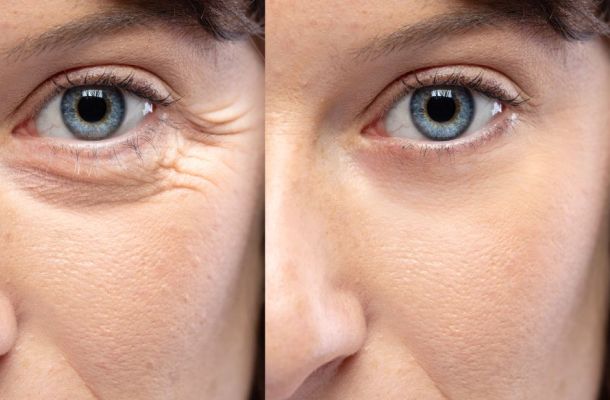
Senescent cells secrete enzymes that actively break down collagen and elastin, proteins that play an important role in keeping your skin flexible and soft. If your skin begins to thin or sag prematurely, showing a sudden shift in density or the appearance of age spots, it can be a sign of cellular senescence.
Reduced Energy and Recovery
If you find that you bounce back less quickly after a workout or a long day, it is another sign that your cells are struggling. Senescent cells place a heavy metabolic burden on the body, draining resources that should be used for energy production and redirecting them toward managing chronic inflammation.
Slower Metabolism and Muscle Decline
Age-related muscle loss, or sarcopenia, is closely linked to the presence of zombie cells in muscle tissue. These cells prevent muscle stem cells from doing their job, making it harder to maintain tone and significantly slowing down your resting metabolic rate.
Internal Health Signals
Aside from the signs you can see in the mirror, the accumulation of senescent cells can make you feel like your body is working harder than it should to maintain balance.
Chronic Inflammation
If you feel puffy, stiff, or generally achy upon waking, it can be a sign that you are suffering from chronic inflammation, which isn’t caused by any specific injury or illness, but by the build-up of senescent cells in your body.
Immune System Decline
The relationship between senescence and the immune system is a vicious cycle. The accumulation of senescent cells is a sign that your immune system is weakening, and at the same time, they exhaust your white blood cells and make this weakening even worse. This leaves you more susceptible to seasonal bugs and means that when you do get sick, the recovery process feels much more grueling. If you feel like you get sick more often than you used to, or that getting well takes longer, cellular senescence could be the cause.
Reduced Regenerative Capacity
Another clear sign of the buildup of zombie cells is that your body takes longer to repair itself. For instance, small wounds take longer to heal, and treatments that used to work, such as simple physical therapy or supplements, are no longer enough to manage minor ailments. This happens because senescent cells block your body’s natural stem cells from entering the site of an injury to stimulate the repair process.
Strategies to Manage or Slow Cellular Senescence
While we cannot stop time, we can influence the rate at which our cells retire. Several lifestyle changes are recommended to slow cellular senescence.
Lifestyle Interventions That Influence Cellular Aging
Lifestyle changes aim to reduce the stress that your cells face on a daily basis, to limit undue stress and prevent premature cellular senescence.
Nutrition and Anti-Inflammatory Diets
What you eat can play an important role in reducing systemic inflammation. Introduce phytonutrients into your diet, especially compounds like quercetin and fisetin, which reduce the toxic output of senescent cells. These can be found in dark leafy greens and berries.
Reducing sugars is also important, as high blood sugar triggers cellular aging.
Medical Fasting and Metabolic Reset
Fasting is perhaps the most effective way to trigger autophagy, the body’s natural self-cleaning mode. When you deprive the body of nutrients for a sufficient amount of time, it is forced to find dysfunctional components and break them down for energy. This metabolic reset effectively clears out cellular debris, including zombie cells.
Exercise and Mitochondrial Health
Physical activity, particularly Resistance Training and Zone 2 Cardio, forces your mitochondria (the cellular power plants) to remain efficient. Strong mitochondria produce fewer free radicals, which in turn reduces the DNA damage that leads to cellular retirement. Exercise also improves your circulation, which allows immune cells to travel effectively to sites where senescent cells need to be cleared.
Sleep and Stress Regulation
During deep sleep, the body clears out metabolic waste from the brain and ramps up its natural repair processes. This is why rest is so important for anti-aging.
Stress, on the other hand, increases cortisol levels, which can speed up telomere shortening over time, reducing the number of times cells can divide and pushing them into early senescence.
Detoxification and Cellular Environment
For your cells to function at their peak, they need to exist in a clean environment. When the space between your cells is cluttered with toxins and metabolic waste, cellular communication breaks down, accelerating the aging process.
Removing Metabolic Waste and Toxins
Over time, environmental toxins such as heavy metals, microplastics, and pollutants can become lodged in our tissues, which creates a state of permanent oxidative stress. You can reduce this internal pollution through regular, medically supervised detoxification protocols.
Supporting Liver and Cellular Detox Pathways
The liver is your primary defense against the chemical stressors that cause senescence. Supporting the liver through hydration and targeted supplements improves its ability to neutralize toxins and remove them from your bloodstream. Supporting it with proper hydration and targeted nutrients can help it process and eliminate toxins more efficiently, keeping your internal environment more balanced.
Restoring Cellular Communication
Senescent cells emit a lot of toxic signals, which can drown out the healthy signals that coordinate tissue repair. Reducing the number of senescent cells reduces the noise and allows your cells to coordinate properly.
Advanced Medical Approaches to Target Senescent Cells
Lifestyle changes provide a solid basis for a healthy body. Modern regenerative medicine goes one step further towards turning back the biological clock, offering direct interventions to remove senescent cells.
Regenerative Medicine and Cellular Rejuvenation
Regenerative medicine introduces fresh biological material that encourages healing and reduces the negative effects of senescent cells.
Stem Cell Therapies for Tissue Regeneration
Traditional stem cell therapies, particularly those using mesenchymal stem cells (MSCs), help regulate inflammation in a targeted way. Once introduced into the body, these cells tend to migrate toward areas of high inflammatory activity, which are often the same areas where senescent cells have accumulated.
They release signaling molecules that help reduce the zombie cell effect. They calm the inflammation that affects normal repair, but they also give repair mechanisms an extra boost, and allow other cells to fill the gaps left by senescent cells.
Exosome Therapy and Cellular Signaling Repair
Exosomes are tiny vesicles that carry messages and biological material between cells, such as growth factors, proteins, and genetic signals.
When senescent cells accumulate, this communication becomes disrupted by chronic inflammation. Exosome therapy helps to counter this by injecting fresh exosomes that signal to cells to start repair. Their small size allows them to circulate easily and reach deeper tissues that are less accessible to larger cells, such as MSCs.
Platelet-Rich Plasma (PRP) for tissue repair
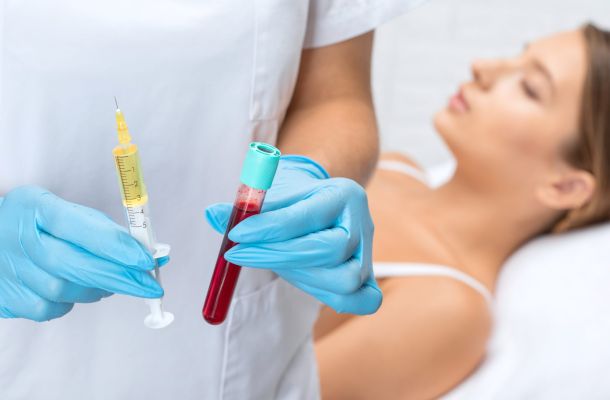
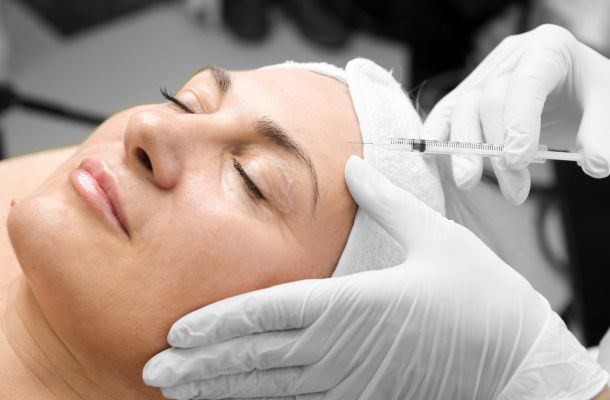
PRP therapy uses a concentrated extract of your own blood, which is very rich in growth factors. This is reinjected into a target area and stimulates a local repair response. It encourages repair mechanisms, as well as boosting circulation and encouraging the removal of waste products, including senescent cells.
Emerging Senolytic and Anti-Aging Strategies
An exciting and emerging area of longevity science is exploring the use of compounds called Senolytics, specifically designed to induce death in senescent cells while leaving healthy cells untouched.
Removing or Neutralizing Senescent Cells
Senolytic protocols work by temporarily disabling the protective pathways that keep senescent cells alive even after they lose the ability to divide. Once these pathways are blocked, the senescent cell finally undergoes apoptosis (natural cell death), allowing the immune system to clear it away like normal biological waste.
Restoring Healthy Cell Function
Once senescent cells are cleared, the surrounding healthy cells are no longer submitted to toxic inflammatory signals, and they often experience a rebound effect. Mitochondria become more efficient, and DNA repair mechanisms improve. The body gradually regains its repair mechanisms, without the need for constant intervention.
A Comprehensive Longevity Approach
Since aging is a multifaceted process, it can never be approached with a single pill or treatment. Combining lifestyle, detox, and regenerative therapies is the best way to get significant results.
Why Anti-Aging Requires a Multi-System Approach
Aging happens in many simultaneous and interconnected ways. A decline in gut health can accelerate skin aging, and chronic stress can reduce your immune system’s ability to fight off other illnesses. That’s why longevity medicine requires a comprehensive approach that treats the body as a complex, interconnected whole.
Personalized Longevity Programs
No two people age at the exact same rate or for the exact same reasons. Everyone’s genetic blueprint and environmental exposures are unique. Personalized longevity medicine analyses the patient’s specific case and determines their epigenetic clock and senescence load. This allows doctors to tailor treatment and recommend an effective balance of senolytics and regenerative therapies.
Why Many Patients Choose Medical Longevity Retreats
Medical longevity retreats are a great way to kick-start your longevity journey. They give you a total immersion in a clinical environment, with access to high-level medical intervention and no distractions.
Intensive Monitoring and Medical Expertise
A medical retreat allows for real-time monitoring of your body’s response to treatment. Having a team of experts supervising your protocol means that adjustments can be made instantly. This means more safety and more efficiency.
Access to Advanced Regenerative Treatments
Most regenerative treatments, such as stem cell treatments, exosome therapies, or therapeutic plasma exchange, need to be performed by medical experts in specialized, sterile environments. Medical retreats provide access to this clinical setting and allow you to stack treatments in a structured and guided fashion.
Recovery in a Controlled Environment
Regenerative medicine triggers big changes within your tissues, and in many ways, the recovery phase is just as important as the treatment itself. That is when the repair mechanisms, set in motion by the treatment, start to set into motion.
In a controlled retreat environment, you eat well, sleep well, and have access to medical care whenever you have an issue or a concern. This means your body can focus all its energy on repairing, without any external stressors.
Our Cellular Rejuvenation Programs in Switzerland
At Clinique Lémana, we offer rejuvenation programs that are designed to slow cellular senescence and have you looking and feeling refreshed and youthful.
A Luxury Medical Setting for Longevity Treatments
All of our programs take place in medical-grade settings, located in a stunning five-star hotel where you can rest and recuperate between treatments.
Privacy and Personalized Care
We know the importance of confidentiality, and we make sure to protect every patient’s privacy when they visit us at Clinique Lémana.
Every part of the process is tailored to personal needs, including the medical interventions themselves. Our team conducts careful tests to assess your personal situation and design the best program for your aims and requirements.
Integration of Regenerative Therapies and Detox Programs
We take a holistic approach to longevity, and our programs include lifestyle recommendations, regenerative therapies, and detox programs. This tackles aging on three fronts: reducing stressors, clearing your internal environment, and giving your cells what they need to repair themselves.
Treatments Designed to Target Cellular Aging
Clinique Lémana has been at the forefront of longevity treatments for decades, and we offer a selection of programs that address the mechanisms behind cellular aging. These include:
- Stem Cell Banking and Therapies
- Revitalization therapies
- PRP & Exosome Treatments
- Medical Fasting and Detox Programs
Our clinicians can assess your case and determine the best combination of treatments for you.
30-Year Stem Cell Banking to Save Your Younger Cells
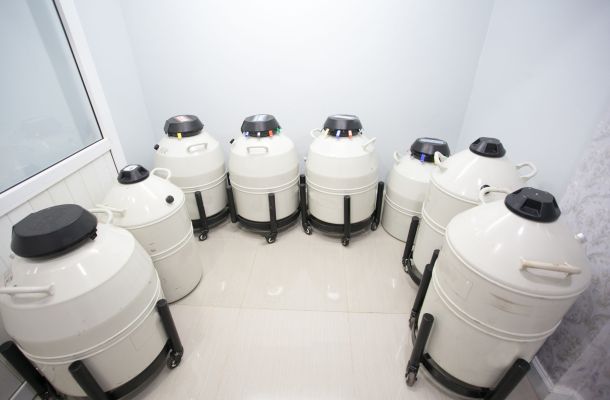
The most forward-thinking thing you can do for your health is to store your stem cells as early as possible. By preserving your cells at their current biological age, you retain their full regenerative potential, which you can use for decades to come. Clinique Lémana offers storage programs of up to three decades, opening the door to future treatments as and when you need them.