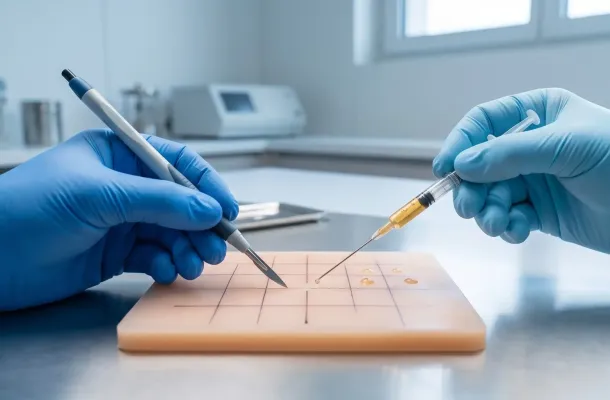
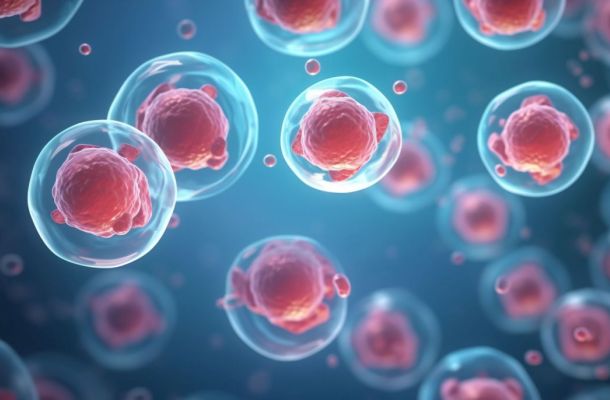
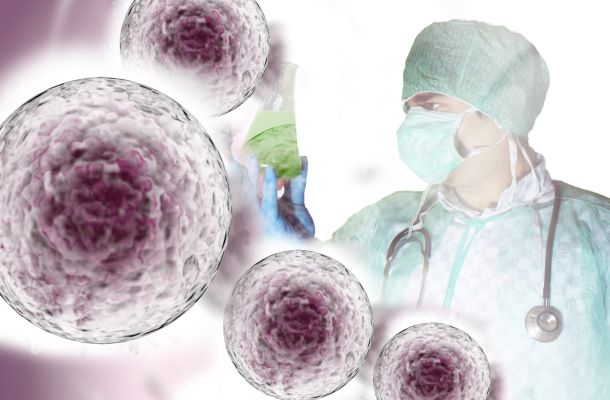
VSELs, short for Very Small Embryonic-Like stem cells, are the body’s smallest regenerative cells. They sit dormant in many tissues of the adult body and only activate in times of stress. When they do switch on, they have amazing abilities to transform into different types of cells and help with repair.
They are kind of like an emergency reserve, and one that regenerative medicine is increasingly harnessing. VSEL Therapy makes a great addition to longevity programs.
Let’s dive into what VSEL therapies are, how they differ from traditional stem cell treatments, and whether they are the right fit for you.
Understanding VSEL Therapy
VSEL therapy sits at the more experimental end of regenerative medicine. It shows a lot of promise as a minimally invasive regenerative treatment. While VSEL therapy is often lumped together with stem cell treatments, it relies on a distinct population of naturally occurring cells that behave differently from more commonly used mesenchymal stem cells (MSCs).
What Are VSELs? The Body’s Most Primitive Survival Cells
VSELs essentially function as a biological backup system. They appear in our organs when we are embryos, and remain quiescent (dormant) in adult tissues. They are very resilient and remain unchanged in the body for decades, ready to be activated in times of stress and assist with repair.
The Discovery of Very Small Embryonic-Like Stem Cells
For a long time, the scientific community believed that pluripotent cells (capable of becoming any tissue) existed only in the earliest stages of human development. This changed in 2006, when researchers led by Dr. Mariusz Ratajczak identified a population of extremely small cells in adult bone marrow that mirrored the characteristics of embryonic stem cells.
These were named Very Small Embryonic-Like stem cells, or VSELs. Because of their minute size (often smaller than 5 micrometers, less than a red blood cell), they had previously been overlooked.
VSELs Are Considered the Most Pluripotent Endogenous Stem Cells Ever Identified
Most stem cells in the adult body are “multipotent”, meaning that they can specialize into several specific roles, including becoming fat, bone, or cartilage. Embryonic stem cells and VSELs are “pluripotent”, which means they can become any type of cell. Among naturally occurring (endogenous) cells, VSELs are often considered one of the most primitive populations identified to date.
One indicator of this potential is the presence of specific genetic markers in VSELs that are typically only found during embryonic stages, suggesting that these cells may retain some of their early developmental versatility.
Where VSELs Reside: Bone Marrow, Peripheral Blood, and Tissue Reservoirs
VSELs are found throughout the adult body, tucked away in various organs and in the blood. However, their highest concentrations are in the bone marrow.
Despite VSELs’ wide distribution, they usually move in such small quantities that complex clinical protocols are necessary to harvest and concentrate them for therapeutic use.
The Dormancy Paradox: Why the Body “Hoards” These Cells Rather Than Deploying Them
One of the most intriguing aspects of VSELs is that they remain dormant in our bodies. Despite having the highest regenerative potential of all, they are rarely used for minor day-to-day repairs. Instead, they remain in a state of deep metabolic hibernation.
Evolutionarily, this is likely a protective measure; by keeping these cells dormant, the body prevents them from accumulating mutations or being exhausted prematurely. Modern protocols focus on bypassing the body’s dormancy mechanisms through a precise clinical process, so as to activate the cells and harness their power.
How VSEL Therapy Works: Mobilization, Extraction, and Reinfusion
VSEL therapies rely on the transfer of the cells from their reservoirs into the bloodstream, where they are easily accessible.
How VSELs Are Mobilized From Bone Marrow Into Peripheral Blood
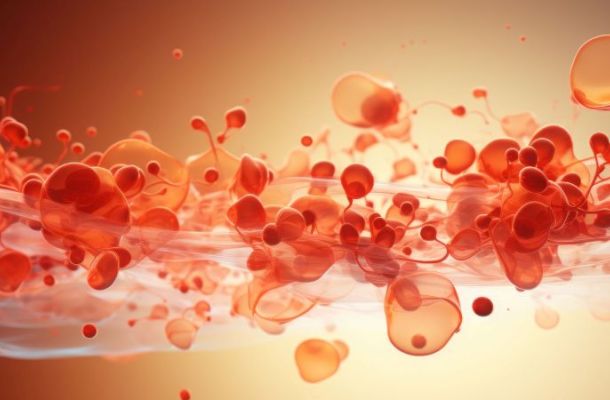
Under normal conditions, VSELs are present in the blood at very low levels, which makes them difficult to collect for therapeutic use. For that reason, the first step of VSEL therapies is a process known as “mobilization,” where certain triggers encourage the body to release more of these cells from the bone marrow into the bloodstream.
This is done by stressing the body, for example, through intensive exercise, hyperbaric oxygen therapy (where a person inhales pure oxygen inside a pressurised chamber), or with specific medications. The stress causes a temporary increase in VSELs in the bloodstream, making it possible to collect them with a blood draw, and avoiding the need for a more invasive bone marrow extraction.
The Collection and Concentration Process
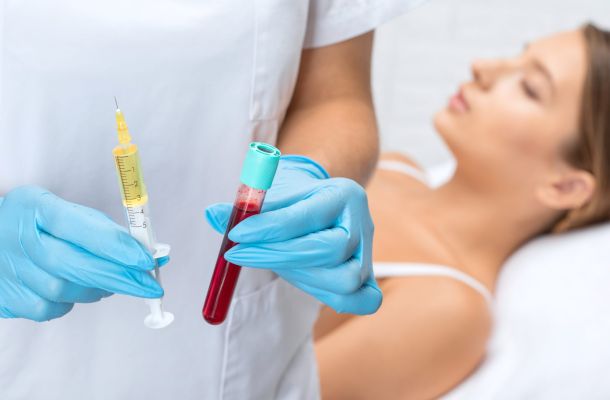
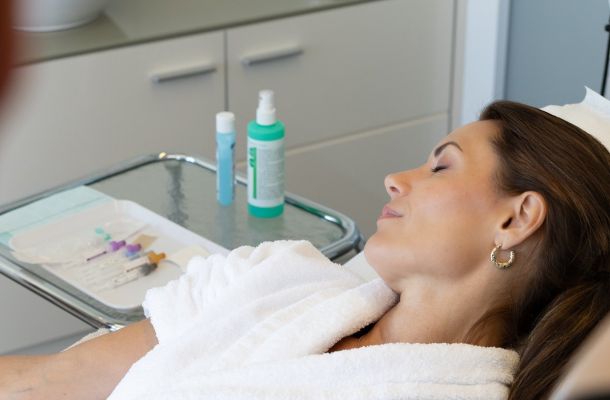
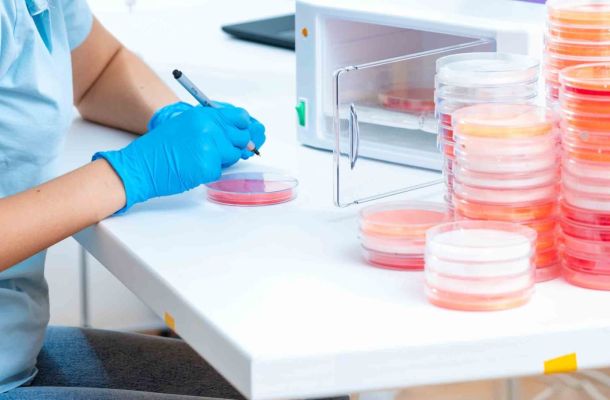
Once the cells have been mobilized, they are collected via a simple blood draw. The next step is to process them, which is complex because VSELs are exceptionally small and share physical characteristics with other blood components.
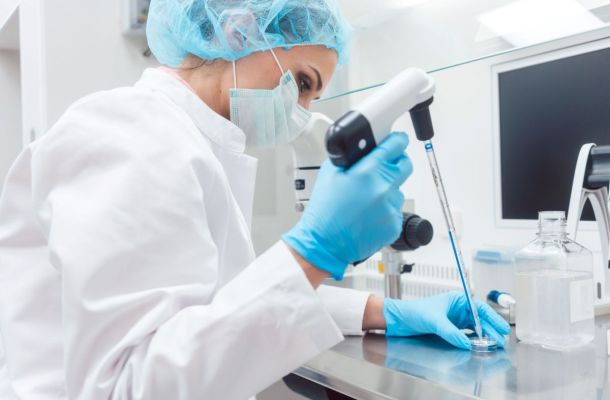
Advanced centrifugation and ultra-filtration techniques are used to isolate them from red blood cells and plasma, creating a concentrated cellular serum.
Reinfusion Methods: IV, Intrathecal, and Targeted Injection
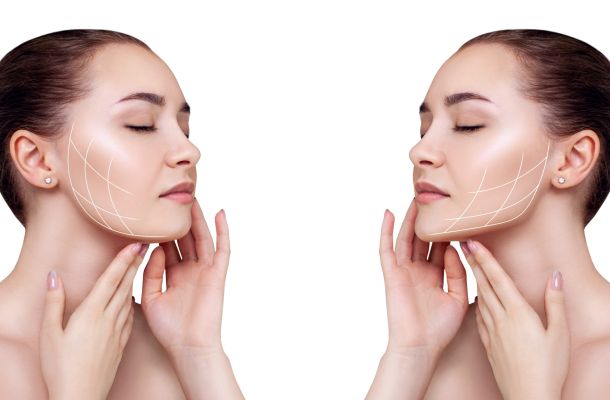
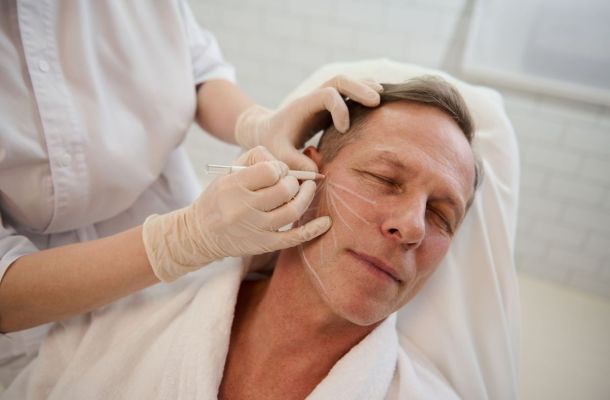
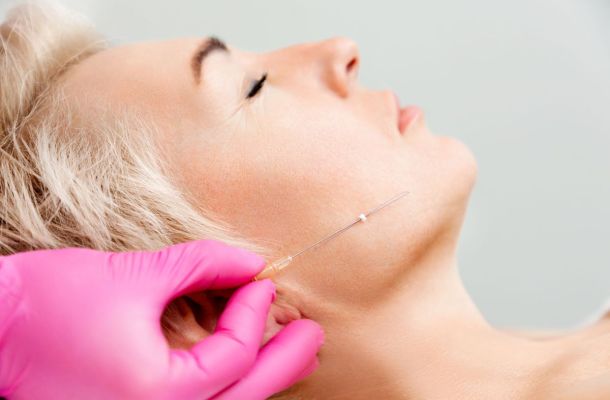
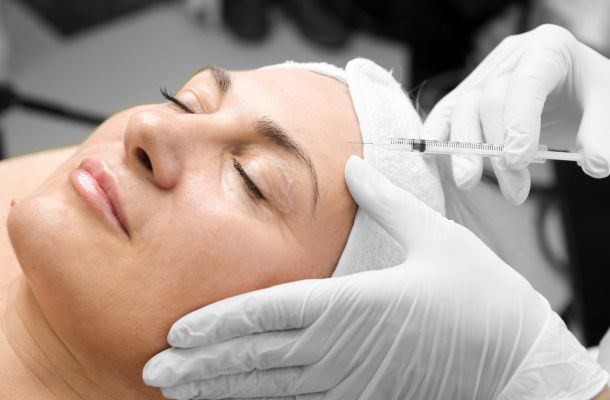
The reintroduction phase of VSEL looks different according to the patient’s objectives. For general anti-aging, the serum is usually administered through an intravenous (IV) infusion. For aesthetic purposes, local injections deliver the cells to the face or neck.
Why VSEL Protocols Require Highly Specialized Equipment and Expertise
The most delicate part of VSEL therapy is not the extraction itself, nor the reinfusion, but the concentration phase. The cells require gentle handling to prevent them from being damaged. Specialized clinics use proprietary technology to preserve the cells through the process and make sure that they are reinjected with their full regenerative potential.
The Science Behind VSEL Regenerative Claims
VSEL therapy is cutting-edge science. The cells’ pluripotent abilities, as well as their resilience and stability in the body, are the object of growing interest in regenerative research.
Peer-Reviewed Evidence: What Is Solidly Established vs. What Remains Experimental
The existence of VSELs is well-documented in peer-reviewed literature, with over twenty independent laboratories having published results documenting their presence, and highlighting their expression of genetic markers usually reserved for embryonic stages.
What remains in the experimental phase, however, is the exact degree to which these cells can be used in a clinical setting to perform specific tissue-building tasks.
VSEL Therapy in Tissue Repair, Immune Modulation, and Neuroregeneration
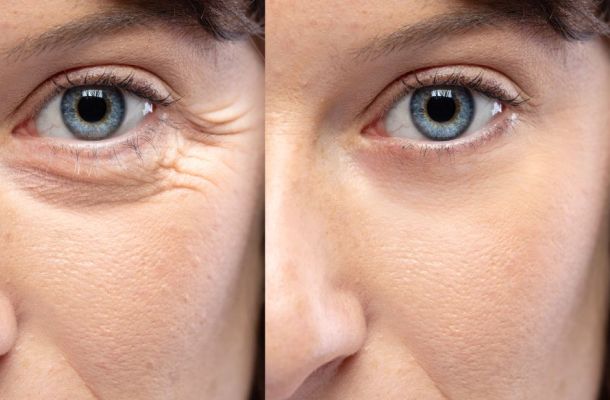
The potential therapeutic applications of VSELs are very broad. They are already being used in anti-aging medicine, helping calm systemic inflammation and promoting tissue repair. In esthetic medicine, they are used to stimulate skin repair and provide localized rejuvenation effects.
Due to their small size, researchers also believe that VSELs may be able to cross the blood-brain barrier, something that larger mesenchymal stem cells, the type used in most stem cell treatments, are not able to do.
Honest Limitations: Where the Research Still Has Gaps
It is important to acknowledge that there are still a lot of knowledge gaps surrounding VSEL therapy and that it is an emerging therapy that is still proving itself.
It remains tricky to harvest enough VSELs to have a guaranteed clinical outcome every time. VSELs are also very sensitive to the patient’s internal environment, so effectiveness can depend on a range of things such as nutrition, stress, smoking, or other lifestyle factors.
VSEL vs. Stem Cell Therapies
VSEL therapies are an emerging frontier in stem cell treatment, and they come with their own specific considerations when weighing up VSEL vs stem cell therapies.
A Brief Map of the Stem Cell Therapy Landscape
The term stem cell therapy has become a catch-all marketing term, but behind it are different clinical realities.
Embryonic Stem Cells (ESCs): The Ethical and Regulatory Minefield
These are the most flexible stem cells, capable of becoming almost any cell type. But because of serious ethical concerns and the risk of uncontrolled growth, they remain largely confined to research settings and are not used in elective aesthetic medicine.
Induced Pluripotent Stem Cells (iPSCs): Promising but Not Yet Clinical
iPSCs are created by reprogramming adult cells back into an embryonic-like state. While they’re a major scientific breakthrough, they’re still not part of routine clinical anti-aging use, mainly due to safety questions and doubts over their long-term stability.
Mesenchymal Stem Cells (MSCs): The Current Gold Standard in Practice
MSCs are the most widely used in regenerative medicine today. They don’t transform into every cell type, but they’re highly valued for their ability to reduce inflammation and support tissue repair through signalling effects rather than direct replacement.
Adipose-Derived Stem Cells (ADSCs): Accessible, Well-Tolerated, Clinically Proven
ADSCs are a type of MSC taken from fat tissue. Because they’re easy to access and well studied, they’re commonly used in aesthetic medicine, particularly for restoring volume, improving skin quality, and supporting facial rejuvenation.
VSELs: The Emerging Frontier
VSELs occupy a middle ground between MSCs and embryonic cells. They’re still being studied, but are interesting because they show regenerative promise without requiring lab reprogramming or tissue harvesting.
Head-to-Head Comparison: VSELs vs. Adipose-Derived Stem Cells (ADSCs)
Both Adipose-Derived Stem Cell therapies and VSEL therapies use your body’s own cellular material to drive tissue repair and regeneration. Yet they also have several important differences.
When VSELs Outperform Traditional Stem Cells: Honest Clinical Scenarios
Because VSELs are pluripotent and small enough to pass through parts of the body, like the lungs or blood-brain barrier, that ADCs can’t, there are some clinical applications where they can theoretically outperform ADSCs.
Severe Neurodegenerative Conditions: ALS, MS, and Parkinson’s
One of the biggest problems when tackling neurodegenerative issues is access. Many biological components, including ADSCs, are too large to reach the central nervous system unless they are directly injected into the spine. VSELs, however, are smaller than red blood cells and show a high proficiency for crossing the blood-brain barrier, meaning that they could bring their regenerative potential to fight neurodegenerative conditions.
Refractory Autoimmune Disease
For patients with autoimmune conditions that have failed to respond to standard medication or ADSC treatments, VSELs offer a reset. Because VSELs carry the genetic markers of early development, they appear to have a uniquely regulating effect on the immune system. They can reduce inflammation and slow down the body’s attacks on its own tissues in conditions like Lupus or Rheumatoid Arthritis.
Systemic Organ Damage Beyond Aesthetic or Wellness Scope
When deep organ repair is required, for instance, to heal the heart after a heart attack, or a liver affected by chronic disease, VSELs’ pluripotency has the potential to vastly outperform ADSCs. While an ADSC might help soothe a damaged organ, a VSEL has the theoretical capacity to differentiate into the actual cells that compose that organ’s tissues.
Cases Where Traditional Stem Cells Are Sufficient or Superior
For most people seeking anti-aging or rejuvenating effects, ADSCs are the most reliable, well-established tool. At world-class institutions, they remain the top recommendation for regenerative effects.
Aesthetic Rejuvenation and Skin Quality
When it comes to in-depth facial rejuvenation, traditional stem cells are significantly superior to VSELs. They restore volume and rebuild the underlying scaffolding of the skin, lifting sagging tissue and restoring texture. VSELs, being so small, do not offer the same structural benefit that concentrated adipose-derived cells provide.
Joint Repair and Musculoskeletal Wellness
For knee, hip, or shoulder rejuvenation, the multipotent nature of traditional MSCs is actually an advantage. These cells are predisposed to becoming cartilage and bone tissue. They have a proven, decades-long track record of reducing joint inflammation and improving mobility that VSELs have yet to match in a clinical setting.
General Anti-Aging and Longevity Protocols
Most longevity enthusiasts are looking to maintain their biological youth. Traditional stem cell infusions (IV) or local injections are highly effective at clearing out senescent (“zombie”) cells and lowering systemic inflammation. For a generally healthy adult, the added complexity and cost of a VSEL protocol is less efficient than a well-executed MSC treatment.
Immune Modulation for Healthy Aging Adults
You don’t always need to use the most primitive stem cell to see a benefit. Traditional stem cells are excellent at balancing the immune system in aging adults, and don’t require the intensive mobilization protocols of VSELs.
The Honest Truth: For Most Anti-Aging Clients, VSELs Are Not the Next Step
While the science behind VSELs is fascinating, they are currently a specialized tool for specialized cases. For the vast majority of people looking to look and feel younger, tried-and-tested ADSCs are the way to go.
Do You Actually Need VSEL Therapy?
With the buzz surrounding embryonic-like cells, it’s easy to assume that the newest, most complex therapy is automatically the best choice. However, in regenerative medicine, the goal isn’t to find the most advanced cell, but the most effective one for your specific biological needs.
The Regenerative Hierarchy: Matching Treatment to Need
In regenerative medicine, success is found by matching the intensity of the treatment to the specific needs of your body. Think of it as a hierarchy:
Level 1 — Optimization: ADSCs, PRP, and Exosomes
For the vast majority of anti-aging clients, Level 1 is where the most significant transformations occur. Adipose-Derived Stem Cells (ADSCs), often supplemented with Platelet-Rich Plasma (PRP) or Exosomes, allow visible aesthetic rejuvenation and cellular-level regenerative effects.
Level 2 — Systemic Reset: TPE Combined With ADSC Protocols
For those dealing with significant “inflammaging” or a heavy toxic load, a systemic reset can be required. The best way of doing this is to combine Therapeutic Plasma Exchange (TPE), which cleans out your internal environment, with ADSC protocols, which provide regeneration.
Level 3 — Advanced Regeneration: VSEL or iPSC Therapy for Serious Pathology
This level is reserved for serious pathology or complex degenerative conditions that have not responded to traditional methods. Because VSELs can cross the blood-brain barrier and target deep organ tissues, they are a high-level intervention for patients facing neurological decline or severe systemic failures.
Why Starting at Level 3 When Level 1 Is Indicated Is Not Better Medicine
Medicine is most effective when it is precise. Jumping straight to VSEL therapy for minor aesthetic goals adds unnecessary complexity, cost, and stress to the body without providing better results.
By seeking treatment at the level where you need it, you ensure you are using the most efficient tool for your specific goals and you save the other levels of treatment for when you actually need them.
The “More Powerful = Better” Fallacy in Regenerative Medicine
Using the most powerful regenerative tool available when a targeted, milder one would suffice can actually be less effective for your specific goals.
Why Biological Potency Must Be Matched to Clinical Indication
Just because VSELs have the potential to do more than ADSCs doesn’t mean they do everything better. ADSCs are highly effective for skin rejuvenation because they are programmed to understand skin and its underlying fat tissue. Rather than looking for the absolute most potent cell, it is more important to look for the best cell for the job.
The Risk Profile of Highly Pluripotent Cells in Non-Pathological Contexts
Both VSEL therapy and ADSC therapies use your own cells, which makes them inherently safer than treatments that use synthetic alternatives. However, VSELs are less predictable and less well-studied. Using them raises the risks of a procedure. This can be a calculated decision, for instance, when treating pathological conditions. But for aesthetic procedures, safety and stability take priority.
What Genuine Anti-Aging Medicine Optimizes vs. What It Escalates To
The main goal of anti-aging medicine is to maintain the peak performance of your body’s current systems, so that you aspire to never needing to resort to level 3 type regenerative medicine. Escalating to VSEL therapy is generally reserved for when basic biological functions are actually failing, which means its fundamental aims are somewhat different from longevity procedures.
Who Should Genuinely Consider VSEL Therapy?
VSEL therapy is rarely a first-line treatment for those seeking rejuvenation alone. Instead, it is reserved for when deeper repair is needed.
Neurological or Autoimmune Diagnoses Alongside Aging Concerns
If your anti-aging goals are complicated by an underlying neurological condition or a chronic autoimmune disorder, VSELs may be the right choice. Because these cells are small enough to navigate the blood-brain barrier and possess unique immune-modulating markers, they can be used to address the inflammatory roots of these conditions.
Patients Who Have Plateaued on Conventional Regenerative Protocols
Regenerative medicine is a journey of diminishing returns; occasionally, a patient may find that after several successful years of PRP or MSC treatments, their body’s response has plateaued. In these instances, introducing VSELs could reinitiate repair mechanisms that have become unresponsive to more mature cellular signaling.
Conditions Beyond Aesthetic or Longevity Scope
VSEL therapy is most appropriate for neurological conditions or autoimmune diseases, rather than for aesthetic or longevity medicine.
What a Proper Medical Evaluation for VSEL Candidacy Looks Like
A medical evaluation of whether you are a good candidate for VSEL should take a deep dive into your medical history and current biology. A proper assessment includes:
- Detailed Bloodwork: To assess the baseline concentration of circulating VSELs.
- Inflammatory Marker Screening: Ensuring the body is in an optimal state to receive and activate these cells.
- Genetic and Epigenetic Testing: To understand how your specific biological age might influence the potency of your dormant cell reserves.
- Clear Goal Setting: A transparent discussion to ensure VSELs are the best fit for your situation and your goals.
Our Approach at Clinique Lémana, Switzerland
While the scientific community continues to explore the frontiers of VSELs and other emerging markers, our clinical focus remains on the most robust and evidence-based tool in regenerative aesthetics: the adipose-derived stem cell.
What We Offer: Aesthetic and Regenerative Stem Cell Treatments From Adipose Tissue
Our expertise lies in the sophisticated application of autologous (self-derived) cells to reverse the structural and biological signs of aging. By focusing on a patient’s own biological resources, we provide a treatment that is natural, safe, and potent.
Why We Chose ADSCs as Our Core Stem Cell Modality
We have centered our practice on Adipose-Derived Stem Cells (ADSCs) because they offer the highest biological yield for aesthetic and systemic wellness. Fat tissue is an incredibly rich reservoir of mesenchymal stem cells, containing up to 500 times more stem cells than an equivalent volume of bone marrow.
For our clients, this means we can harvest a significant number of regenerative cells through a minimally invasive procedure, ensuring we have the necessary regenerative material to achieve transformative results without the complexity of the mobilization protocols required for VSELs.
The Clinical and Safety Rationale Behind Fat-Derived Stem Cell Therapy
ADSCs are among the most studied cells in the history of regenerative medicine, with thousands of peer-reviewed papers documenting their stability and efficacy.
Unlike more primitive cells, ADSCs are especially adapted to becoming the very tissues our clients wish to rejuvenate: skin, fat, and connective tissue. This significantly reduces the risk of unpredictable cellular behavior, allowing for safe procedures that work.
Our Patient Profile: Healthy, High-Functioning Adults Seeking Optimization
Clinique Lémana receives clients from all around the world, all sharing the same mindset: that aging is not an inevitability, but a biological process to be managed. Our patients are typically not looking for emergency medical intervention, but to preserve their current performance and appearance.
What Our Stem Cell Treatments Address: Skin, Body, and Systemic Wellness
While we specialize in aesthetic rejuvenation, the benefits of our stem cell protocols go far beyond the surface. By reinjecting concentrated, potent stem cells, we improve the underlying structure of the skin, its texture and quality, but also the body’s overall vitality.
Our Swiss Anti-Aging Protocol: How Treatments Work Together
Clinique Lémana offers a range of treatments that should be viewed as complementary. Combining treatments is the best way to optimize their anti-aging effects.
ADSCs as the Cellular Foundation
The cornerstone of our protocol is the Adipose-Derived Stem Cell (ADSC). ADSCs do the heavy lifting thanks to their unique ability to physically rebuild the skin and its underlying scaffolding.
PRP and Exosomes as Precision Enhancers
Alongside stem cell treatments, we recommend precise interventions using Platelet-Rich Plasma (PRP) and Exosomes. They provide localized improvements to your skin, where it needs them the most.
Stem Cell Storage: Protecting Your Biological Capital for the Future
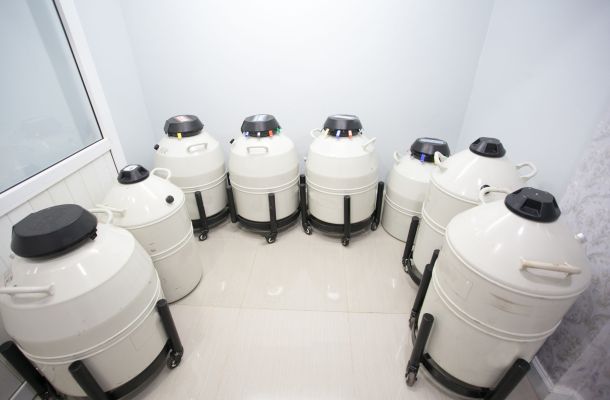
Clinique Lémana also offers long-term stem cell cryopreservation, so you can preserve your assets for the future. Your stem cells will never be younger or more potent than they are today. The decision to store them now opens up regenerative procedures down the line.
VSEL vs Stem Cell: An Honest Look at Which Therapy is Right for You
Every patient’s situation is unique, and our goal at Clinique Lémana is to provide you with a unique treatment plan for your needs.
If Your Goal Is Anti-Aging, Rejuvenation, and Longevity
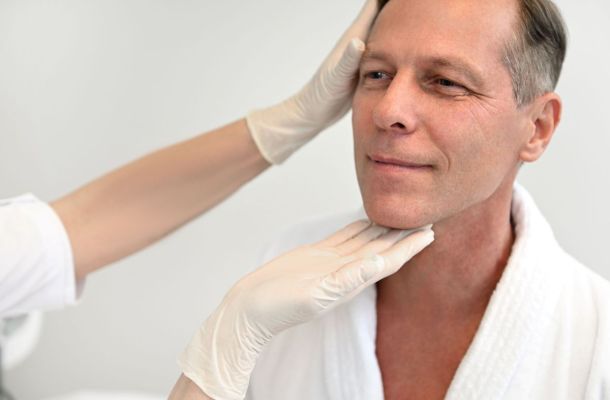
If you are looking to reverse the visible signs of facial aging, restore dermal density, and lower systemic “inflammaging,” then our Adipose-Derived Stem Cell (ADSC) protocols are designed for you.
How to Book a Personalized Assessment at Our Swiss Clinic
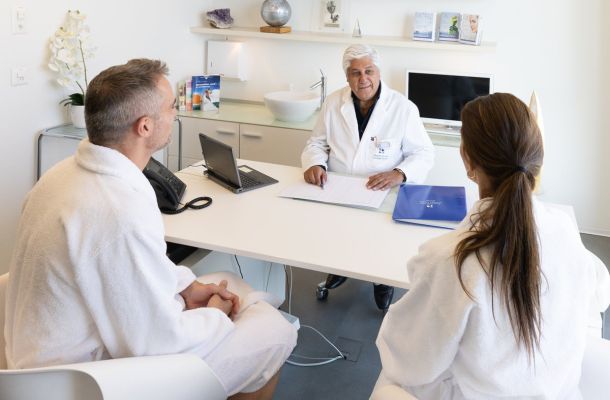
The first step on your anti-aging journey is a thorough discussion with experts about your goals and what is possible.
Our clinical team specializes in regenerative medicine and will provide a personalized assessment, evaluating your current health and longevity goals, to work out which protocol is the best fit for you.
Contact us today to begin your journey.
Secure Your Biological Wealth — 30-Year Stem Cell Storage in Switzerland
Whatever procedure you choose to begin your longevity journey, you should consider storing your stem cells as early as possible. Their potency and quality decline with age, so storing them earlier rather than later allows you to capture your body’s full regenerative capacity.
Clinique Lémana offers stem cell storage for up to 30 years. In the years and decades that come, this allows you to use your stored cells for longevi