Reversing Biological Age: What Science Has Proven to Work
3 April 2026
For most of human history, aging has been viewed as a one-way street. A slow, inevitable decline that we simply had to accept. The rise of modern longevity research has changed our approach to time itself. We are beginning to realize that all our chronological age tells us is how many times we’ve orbited the sun, and that we can have more of an impact than we thought over how much our bodies decay. In some cases, we can even reverse biological age.
In this guide, we dive into the proven anti-aging protocols that are supported by science, learning how we can live better, for longer.
Defining the Goal: Why “Healthspan” is the Only Metric That Matters?
Living longer is a hollow victory if those extra years are spent suffering with disease or frailty. Rather than thinking of longevity in terms of increasing your lifespan, it is better to think of it in terms of healthspan, meaning the number of years you spend in good health, able to make the most of your time on earth.
When you reframe it in this way, the idea of reversing biological age is about taking care of your body so that it remains in peak form for as long as possible, essentially extending not just your life, but the prime of your life. This is what scientists mean when they discuss proven anti-aging protocols.
DNA Methylation vs. Chronological Age: Understanding the “Biological Clock”
Scientists have devised a number of “biological clocks” that determine people’s biological age. Most of these are epigenetic clocks, which look at a process called DNA methylation. As your body decays, methyl groups attach onto your DNA like chemical tags that turn your genes on and off. Since these methyl groups appear in predictable ways as a person ages, they are a useful measure of how your body is actually evolving.
Early models of the epigenetic clock simply provided a static estimation of biological age. However, newer ones go further and can provide information about the risk of mortality and disease, as well as the pace of aging.
GrimAge was designed to predict lifespan and disease risk, using DNA methylation markers linked to blood proteins and smoking history. It is considered one of the most accurate predictors of mortality.
DunedinPACE, meanwhile, measures the rate of aging. It shows how quickly your body is deteriorating over time rather than how “old” it is at a certain point. It is also useful for tracking epigenetic clock reversal in response to lifestyle changes.
Why “Pace of Aging” is More Predictive than a Single Age Snapshot?
While it is interesting to know how aged your body is at a specific moment in time, it provides no information about whether your health is improving, declining, or staying the same. That is why longevity experts prefer “pace of aging” metrics, which give a direction as well as a snapshot.
After all, two people with the same biological age today will have very different future outlooks if one is aging faster than the other. Focusing on the trajectory gives a clearer picture of lifespan, risk of disease, and overall aging processes.
Reversibility vs. Maintenance: What Can Actually “Go Backward”?
You may be wondering whether it is even possible to “reverse” biological age, or if that idea isn’t just idealistic hype. It’s a fair question, and the answer is somewhere between the two extremes.
Aging is not a single process but a network of changes happening across the cells, tissues, and systems of your body. Some of these changes are dynamic and reversible, for instance, those linked to inflammation, metabolic dysfunction, or epigenetic signaling.
Others, like accumulated DNA damage or certain structural degradations (protein damage, cell loss, etc.), are far harder to undo. In other words, parts of your biological age can move backward. Others can only be maintained or slowed. But even if “reversal” is better seen as optimization, slowing the pace of aging and preserving function, it can massively change the number of years in which you are thriving.
Regenerative Medicine: The High-Leverage Biological Resets
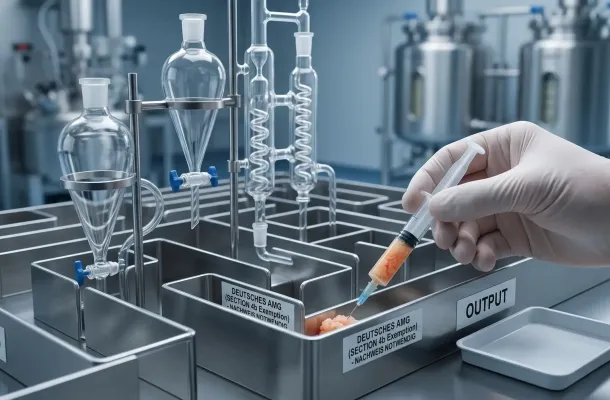
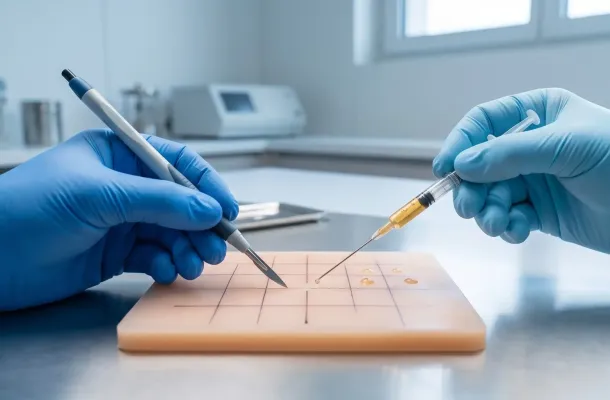
Regenerative medicine focuses on repairing or restoring damaged cells and tissues to restore the body to a healthier, more functional state, rather than simply slowing decline. It is the frontier of medicine designed to reverse biological age, and involves direct biological interventions that reset systems at a cellular level.
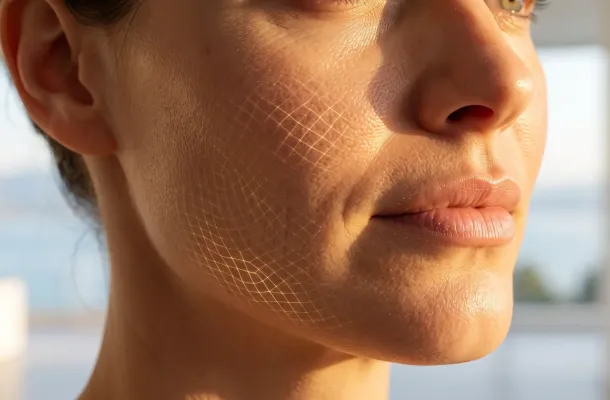
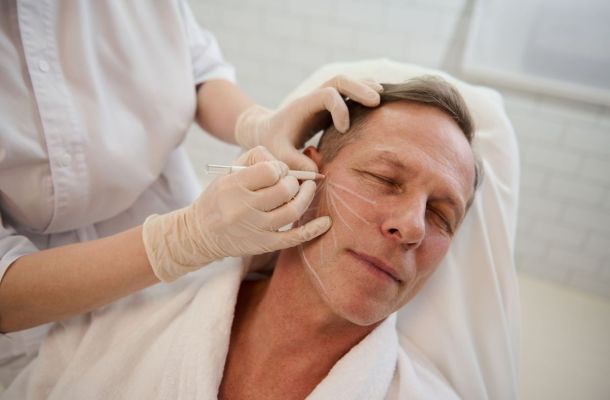
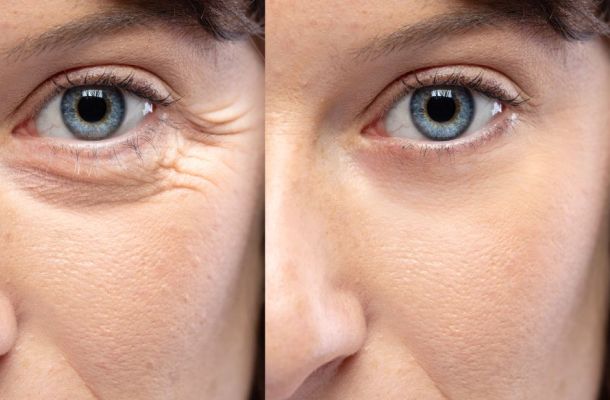
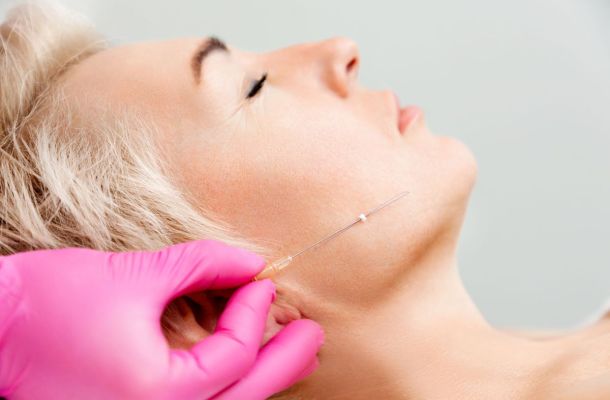
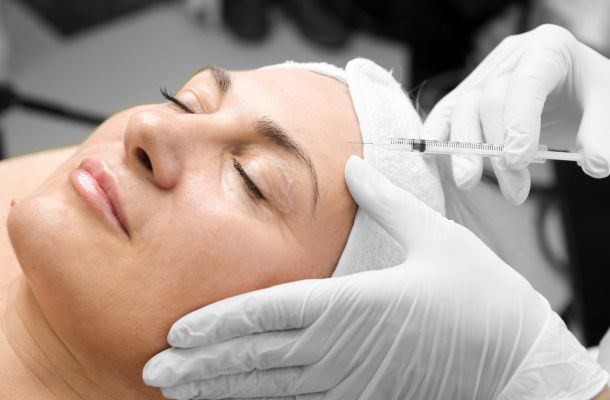
Stem cell therapies are already used in targeted ways across medicine and aesthetics. Stem cell facial treatments support skin regeneration by stimulating collagen production and improving the texture and underlying structure of the skin. In orthopedics, they are used to support cartilage repair and reduce inflammation in joints, particularly in conditions like osteoarthritis.
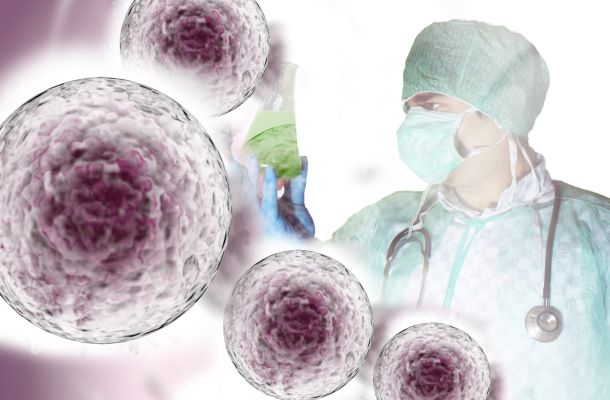
But the field is now moving beyond localized treatments. Systemic stem cell therapy acts at the level of the whole body. It typically uses mesenchymal stem cells (MSCs) that release signaling molecules, instructing other cells to get into repair mode, and helping to clear out damaged cells that prevent tissues from working optimally. It has been shown to make the body more resilient to age-related decline and improve cognitive function.
The Paracrine Effect: How injected cells “signal” your native tissues to begin repair
One of the biggest misconceptions about stem cell therapy is that injected cells simply replace damaged ones. In reality, their primary mechanism is paracrine signaling, meaning the release of bioactive molecules that influence surrounding cells. Mesenchymal stem cells release a range of cytokines, growth factors, and extracellular vesicles that reduce inflammation, recruit local stem cells, and generally support tissue repair. In other words, stem cells act less like replacement parts and more like project managers, bossing around every part of your body to get the repair systems switched back on.
Harvesting vs. Banking: Why the Age of your Stored Cells dictates the ROI of the treatment
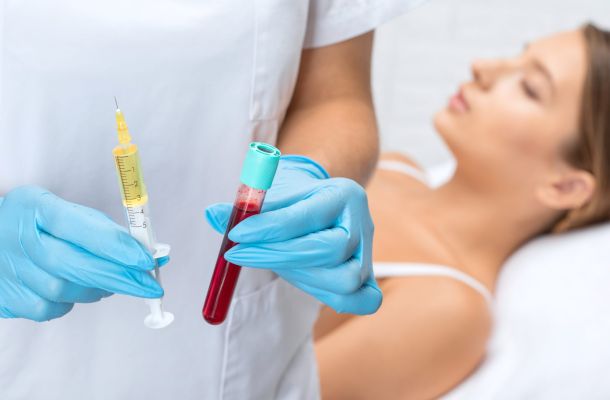
One of the biggest factors influencing the effectiveness of stem cell therapy is the age of the cells used. As the body ages, stem cells’ abilities also decline, and they lose signalling potency and regenerative capacity.
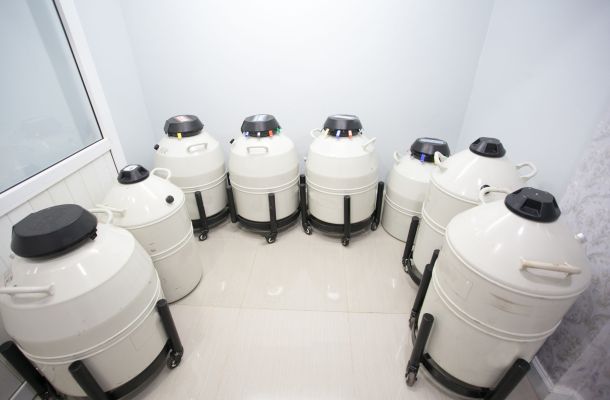
That is why many longevity experts recommend banking your stem cells as early as possible, so that you can use them for regenerative treatments as you age. This provides a greater ROI (return on investment) for stem cell therapies and better results overall.
Gerozyme Blockers: The 2025/2026 Breakthrough in Reversing Muscle and Joint Decay
In a major development in 2025, a Stanford Medicine-led study showed that blocking a type of enzyme known as a gerozyme could reverse cartilage loss in the knee joints of mice. Samples of human tissue also responded to the treatment by producing new and functional cartilage.
This raises exciting prospects for reversing muscle and joint decay, and could allow older adults to maintain or regain the muscle density and joint integrity of their 30s by taking gerozyme blocker drugs.
Senolytics: Flushing “Zombie Cells”
As cells age, some stop functioning but refuse to die, becoming “senescent.” These so-called zombie cells linger, secreting pro-inflammatory cytokines that disrupt surrounding tissue. They drive chronic inflammation, impair function, and push neighboring healthy cells toward senescence themselves.
Senolytics are a class of drugs designed to selectively target these cells and induce apoptosis, the body’s natural process of programmed cell death. By clearing out senescent cells, senolytics make the cellular environment healthier and reduce inflammation.
This is still an emerging field in the study of epigenetic clock reversal, but it is considered one of the most exciting areas of longevity science.
The “Methylation Diet”: Eating to Reprogram Your Gene Expression
You are not just what you eat; you are what your food tells your genes to do.
A “methylation diet” is built around this idea. It focuses on nutrients that support DNA methylation, an epigenetic process that controls whether certain genes are switched on and off. Rather than changing your DNA itself, methylation changes how that DNA is read. This can influence inflammation, cellular repair, and the overall aging of your body.
One of the hallmarks of biological aging is “epigenetic drift,” a loss of precision in gene regulation. Genes that should be quiet become overactive (often those linked to inflammation), while protective or repair-related genes may become less expressed. A diet that supports healthy methylation patterns can nudge gene expression back to where it should be.
The 8-Week Protocol: Turning “Off” Aging Genes
In a small but widely discussed clinical trial published in Aging, researchers found that after just eight weeks of eating methyl-supporting nutrients, participants’ biological age could be reduced by an average of just over three years.
At the heart of the protocol was a diet rich in methyl-supporting nutrients, particularly choline, betaine, and folate, alongside plant compounds found in foods like turmeric, berries, garlic, and green tea. Follow-up analysis suggested that participants who consumed more of these “methyl adaptogen” foods saw greater improvements, regardless of weight loss, suggesting that the foods themselves were responsible for the general health changes.
It’s early evidence, and the study was small. But it highlights an exciting idea: what you eat can influence how your genes behave, and potentially shift markers of aging in a measurable way.
The 12-Hour Fasting Window & Autophagy
Another dietary shift that science firmly links to longevity is fasting. Even a 12-hour fasting window can trigger autophagy, the body’s internal clean-up program. During autophagy, your cells identify broken proteins and dysfunctional components, breaking them down to be reused for energy.
This matters because, with age, cellular waste tends to accumulate, contributing to inflammation and decline. Fasting helps flip the body into a repair mode, supporting more efficient cellular function.
Deeper autophagy is typically associated with longer fasts, but even short, consistent fasting windows may help maintain this cleanup process over time.
Bioactive Compounds: Spermidine, Quercetin, and Curcumin
Some compounds in food have been shown to have a direct effect on how your cells age. Spermidine, found in foods like mushrooms, wheat germ, and aged cheese, has been linked to the activation of autophagy, helping cells clean up and function more efficiently.
Quercetin (in apples, onions, and berries) and curcumin (from turmeric) are known for their anti-inflammatory effects. There’s also early research suggesting quercetin may help the body clear out senescent cells when used in certain combinations.
These are just some examples of how what you eat can have a big impact and help reverse biological age.
Alcohol and Biological Aging: Why even “moderate” consumption accelerates the epigenetic clock
You already know that alcohol can affect your liver and your sleep, but what’s less talked about is how it impacts your genes.
Studies have found that even moderate drinking is associated with accelerated epigenetic aging. Alcohol interferes with DNA methylation, disrupting how genes linked to inflammation and repair are regulated. It also increases oxidative stress and inflammation, two of the main drivers of aging.
The effect isn’t dramatic overnight, but it builds over time. Even “normal” drinking habits can push the biological clock forward. Cutting back or quitting is one of the simplest first steps you can take toward epigenetic clock reversal.
Physical Engineering: Movement as a “Gene Modulator”
Exercise has long been linked to good health because it helps manage weight and keep your heart healthy. However, those aren’t the only reasons that it is of interest in longevity science. Physical activity and cardiorespiratory fitness affect how your genes behave, and a host of other internal systems linked to aging.
Cardiorespiratory Fitness: The #1 Predictor of Longevity
If you only look at one metric to predict how long you’ll live, the VO2 max, which measures cardiorespiratory fitness, is the best you’ll find. Large studies link aerobic fitness to a lower risk of all-cause mortality. In fact, it had a greater impact on your lifespan than smoking or high blood pressure.
Aerobic fitness supports your body in many ways. It boosts mitochondrial function, which means your cells produce energy more efficiently. It improves oxygen delivery, which maintains processes like DNA repair, and reduces oxidative stress. It slows down the accumulation of cellular damage. There is also growing evidence that regular endurance exercise plays a role in maintaining healthy DNA methylation and can play a role in epigenetic clock reversal.
This means that when it comes to longevity, just like when it comes to weight loss, cardio is king.
Resistance Training as “Bone Insurance”
Strength training builds muscle, but it also builds bone. That’s great news, since both sarcopenia (muscle loss) and osteopenia (reduced bone density) are linked to faster aging and lower quality of life.
Losing muscle disrupts your entire metabolism and increases the risk of chronic conditions like type 2 diabetes. Bone density naturally declines at a rate of 1% per year after age 40, making bones more fragile and more likely to fracture, even from minor falls. Together, they make your body more vulnerable.
Resistance training works by adding load to your muscles through weights, resistance bands, or your own body weight, and repeatedly contracting them. As well as building muscle, this mechanical stress stimulates bone-forming cells and encourages new bone growth. This rebuilds bone density and makes your body more resilient.
The Myokine Connection: Muscles as Endocrine Organs
One of the most exciting discoveries in exercise science is that muscles act as endocrine organs, meaning they release chemical messengers that travel through the bloodstream to influence other organs. When you exercise, contracting muscles secrete myokines, a type of signaling protein. This adds a new piece to the puzzle of understanding why exercise is so beneficial for our bodies.
Researchers have identified hundreds of types of myokines, many of which haven’t been studied yet. But what we already know is fascinating. Myokines have an anti-inflammatory effect. They can stimulate the birth of new brain cells. They communicate with your bones, promoting repair. And there is growing evidence that they also maintain the health of the liver, skin, blood vessels, and immune system. It’s no wonder that they are sometimes referred to as “hope molecules”.
The Recovery Pillar: Why the Brain “Cleans” Itself?
Exercise, nutrition, and lifestyle choices get most of the attention in discussions about longevity, but recovery is just as important. During sleep and other times of low activity, your body gets to work doing essential maintenance. Without enough recovery time, even the best diet or exercise routine can’t prevent the slow buildup of damage. Recovery is an active process where your body repairs and strengthens itself.
The Glymphatic System: The Nightly “Power Wash”
Every night, when you sleep, the glymphatic system comes alive to wash out your brain using cerebrospinal fluid. Like a power wash, it flows through brain tissue, removing waste. This includes proteins such as beta-amyloid and tau, which are linked to Alzheimer’s disease.
The glymphatic system works best during deep sleep, so getting a good night’s restorative rest is essential to prevent waste from building up in your brain, potentially damaging neurons and, over time, impairing your cognition and memory. In fact, you shouldn’t see sleep as merely restorative, but also as preventive. It actively protects your brain against future diseases.
Cortisol and Telomeres: How Stress Clips Your DNA
Chronic stress leaves marks on your DNA. High levels of cortisol, the body’s main stress hormone, have been tied to shortened telomeres. Telomeres are the protective caps at the end of your chromosomes that prevent your DNA from fraying or sticking together. These naturally shorten as we age, but the process is accelerated by persistent levels of stress.
When telomeres become too short, cells lose their ability to divide and repair themselves effectively. This can slow down tissue repair and increase the risk of age-related diseases, including type 2 diabetes, heart disease, and some forms of cancer.
All of this means that managing your stress makes your life longer, as well as making it better. Mindfulness, meditation, exercise, and getting enough sleep all contribute to lowering cortisol levels.
Temperature Stress: Mitochondrial Resilience
Psychological stress might age you, but another type of stress is good for the body: temperature stress. Exposing the body to extreme temperatures, such as saunas, hot baths, ice plunges, or cold showers, has several proven benefits.
It triggers hormetic stress, which is short, manageable stress that ultimately strengthens cells. The body adapts to small challenges by activating repair mechanisms so it will be able to respond to bigger threats later on.
Heat exposure stimulates the production of heat shock proteins (HSPs), which help repair damaged proteins and reduce oxidative stress. It also improves mitochondrial quality, helping your cells produce energy more efficiently.
Cold exposure activates brown fat, a special type of fat packed with mitochondria. Brown fat generates heat in response to cold by burning calories through its mitochondria. This trains mitochondria to work efficiently.
When you alternate extreme hot and cold, the effects are amplified. It boosts circulation, reduces inflammation, and has also been linked to better mental clarity and mood.
“Social Hygiene”: The Invisible Factor in Biological Acceleration
Another often forgotten aspect of living for longevity is your relationships and social environment. Being surrounded by high-conflict individuals means that you are constantly stressed, a state that slowly degrades your body.
The “Social Hassler” Effect: How Stress Ages You by 1.5% Annually
A study published in 2026 showed that “social hasslers,” people in your social network who make life more difficult, actually age you. In fact, each additional hassler speeds up aging by around 1.5 per cent a year.
The constant challenges and friction these hasslers create increase cortisol levels of the people around them, which has a negative effect on your epigenetic markers, aging you from the inside out.
The Longevity Power of “Tribe”: Connection as a Protective Shield
That isn’t to say that the best solution for longevity is to retreat to a cabin in the woods where no social hasslers can find you. Research about the “Blue zones” and other longitudinal studies show that human connection protects your health.
Being part of a supportive community is a biological buffer that slows aging. It lowers systemic inflammation and boosts the production of oxytocin, which has been shown to help epigenetic clock reversal by promoting cellular repair and cardiovascular resilience.
Purpose and “Ikigai”: The Link Between Satisfaction and Cellular Longevity
Another important notion to bear in mind when considering whether your environment is helping your longevity is the Japanese concept of “Ikigai”, or reason for being, which is unique to each person according to their skills and values.
When the brain sees a clear sense of purpose, it becomes more resilient. People with a higher sense of purpose may be less likely to experience cognitive decline or dementia as they get older. Their brains tend to stay functionally sharper for longer. When you are trying to reverse biological age, finding your “why” may be just as important as your “what.”
Summary: Proven Anti-Aging Protocols For Epigenetic Clock Reversal
Intervention
Effort Level
Scientific Confidence
Estimated “Years Reversed”
Stem Cells (Systemic)
Low (Medical)
High (Regenerative)
3 – 5 Years
Methylation Diet
High (Lifestyle)
Very High (Clinical)
2 – 3 Years
Sleep (7-9 Hours)
Medium
Very High
Decelerated Aging
VO2 Max Training
High
Very High
5 – 10 Years (Healthspan)
Social Stress Removal
Extreme
Emerging
1 – 2 Years
The 2026 Verdict: Building Your Personal “Age Reversal” Stack
The secret to longevity isn’t chasing every miracle molecule or supplement, but understanding what the science says, and implementing sustainable anti-aging protocols into your everyday life.
Avoiding “Biohacker Fatigue”: Consistency vs. Complexity
One big risk for those trying to reverse biological aging is to encounter “biohacker fatigue”, essentially burning out after trying too many grueling new habits. Many people are tempted to start with a five-hour daily miracle-morning routine, or shift their diet and sleep patterns from one day to the next. This often leads to burnout and failure. Better than erratic and extreme interventions are moderate, consistent practises. Ultimately, a “perfect” protocol you only follow for a week is less effective than a “good” protocol you follow for a decade.
The 80/20 Rule of Longevity
You can achieve most of the results of epigenetic clock reversal by simply focusing on a small set of high-influence habits. Think of it as the 80/20 rule of longevity: 80% of the results for 20% of the “hacks”.
A good place to start is with these four pillars:
Sleep Hygiene: Get 7-8 hours of sleep a night.
Exercise regularly: Combine cardio and resistance training to boost your aerobic fitness and maintain muscle and bone mass.
Methylation Support: Include methyl-adaptogens in your diet by increasing the amount of greens, cruciferous vegetables, and legumes that you eat.
Social Hygiene: Surround yourself by people who make you happy, and distance yourself from those who keep your cortisol high.
Once these four elements fall into place, everything else is a bonus.
Take the Next Step Toward Your Younger Self
Clinique Lemana has been helping people live longer, healthier lives for decades. Over the years, we have incorporated the latest scientific research into our programs.
We offer stem cell banking, regenerative procedures, holistic longevity programs, and coaching, all with the aim of epigenetic clock reversal. If you are ready to take the next step towards a younger you, get in touch today.