Stem Cell Therapies in Germany: What Is Legal vs What Is Not
Stem cell therapies are developing rapidly, but they are still at the cutting edge of aesthetic and regenerative medicine. That’s why the legislatio…


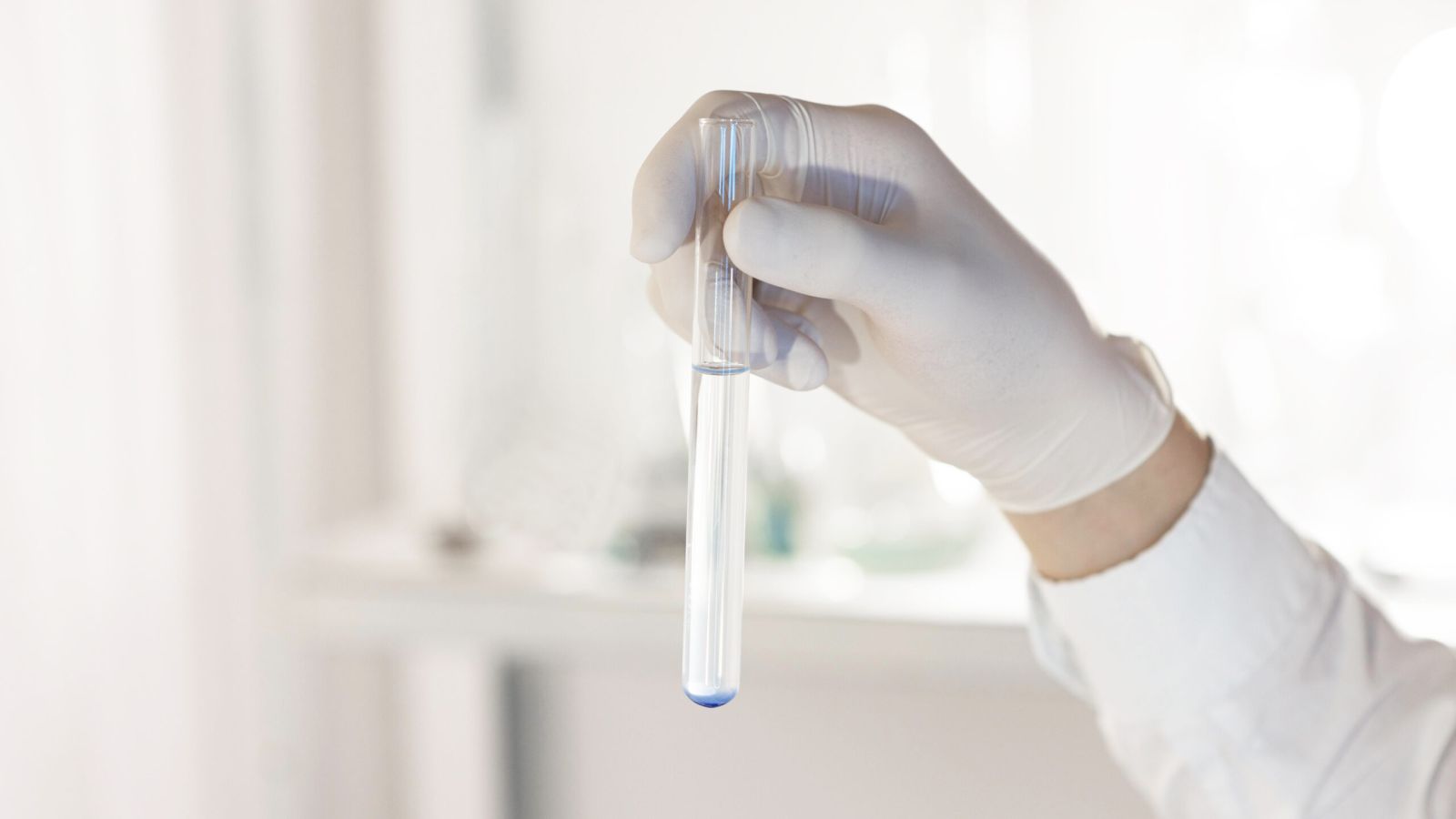
Both nanofat grafting and stem cell injections are part of a new wave of regenerative aesthetic medicine.
They are a step up from earlier anti-ageing treatments, like fillers or facelift, whose impact remains largely on the surface, filling in wrinkles and tightening the skin mechanically. Nanofat grafting and stem cell treatments actually improve the quality of your tissue on a cellular level. They help restore your skin’s ability to heal itself.
To do this, nanografting and stem cell injections both use your own biological material, which is reinjected into your face and stimulates the underlying tissue.
Given their similarities, it’s hardly surprising that the two procedures are often lumped together, but they are distinct treatments, with different levels of effect and different long-term prospects. This article will break down the key differences between nanofat grafting and stem cell injections, including how they work, how they are prepared, the regulatory framework around them, and what type of results patients can expect.
Regenerative aesthetic treatments exist on a biological spectrum, and effects range from small-scale cellular repair to significant tissue renewal. Understanding where nanofat grafting and stem cell injections sit on this spectrum helps understand the purposes and scope of the treatments.
Nanofat grafting starts with harvesting a small amount of fat from your body, usually from the abdomen or thighs. This is processed into a cell-rich, liquid-like substance, which contains a lot of small fat molecules, some of them less than 0.1 millimeters. Despite their small size, these little molecules are packed with stem cells and growth factors.
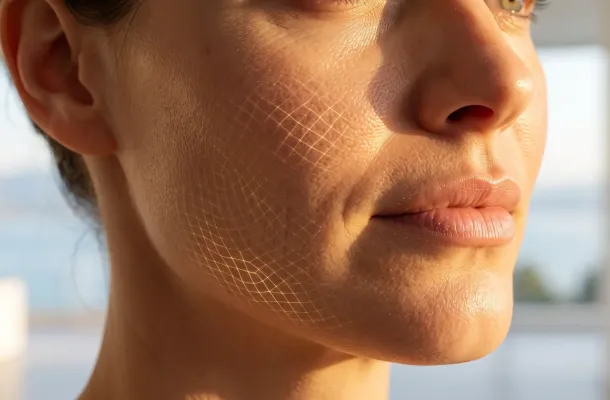
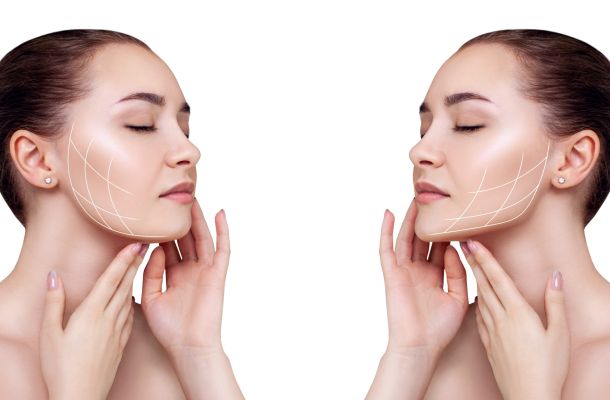
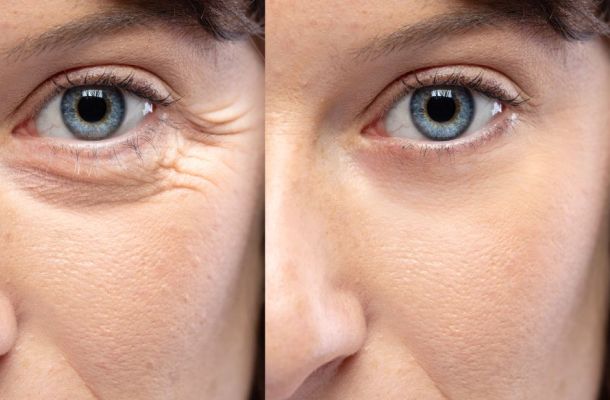
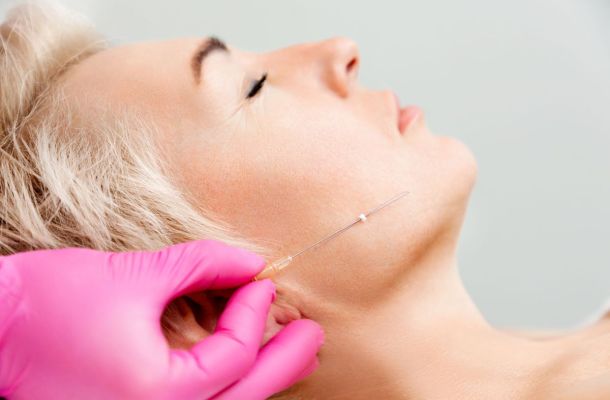
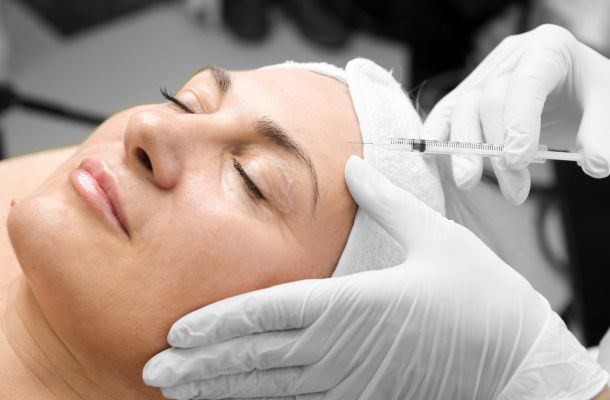
Because the substance is so fine, it can be easily injected into the surface of the skin, where it stimulates the production of collagen and elastin, which maintain the skin’s texture and help it repair itself. Doctors recommend nanofat grafting in areas like the undereye, cheeks, and nasolabial folds to reduce fine lines.
Nanofat grafting creates visible improvements on the surface, but doesn’t restore structure or change face shape on a deeper level. It offers a short-term regenerative boost rather than long-term cellular therapy.
On the spectrum of regenerative treatments, nanofat grafting sits at the lower end. It has true regenerative effects and improves skin health, but doesn’t impact the deeper layers or structure.

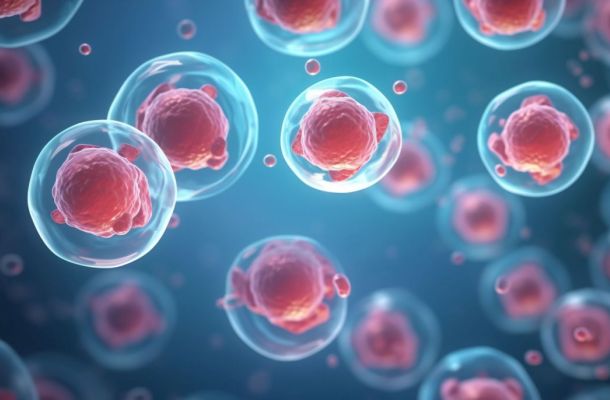
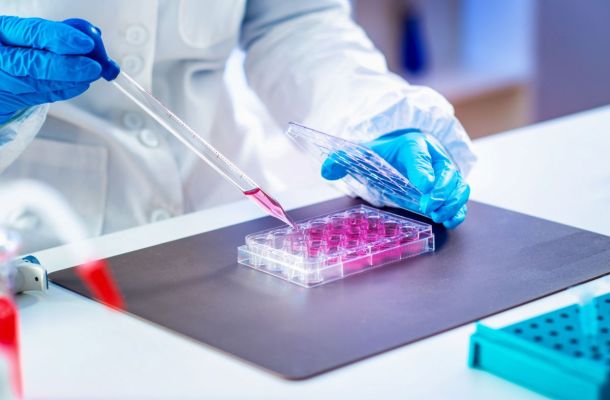
Stem cell injections also start with an extract of your own fat, which is processed to take its regenerative potential further. The fat isn’t reinjected immediately, but goes to a laboratory where stem cells are isolated.
Stem cells are known for their ability to self-renew, differentiate into different types of cells, and communicate with surrounding tissues to encourage repair. When injected into the face, this is exactly what they do. Your skin regains its ability to repair itself and starts to rebuild from the inside. Elastin and collagen production increase, which leads to better texture and a healthy glow.
Stem cell treatments are at the higher end of the spectrum of regenerative treatments and one of the most advanced aesthetic treatments available today. They offer long-term regeneration on a cellular level.
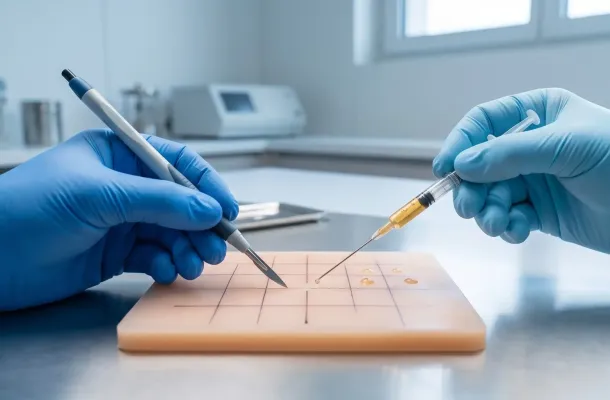
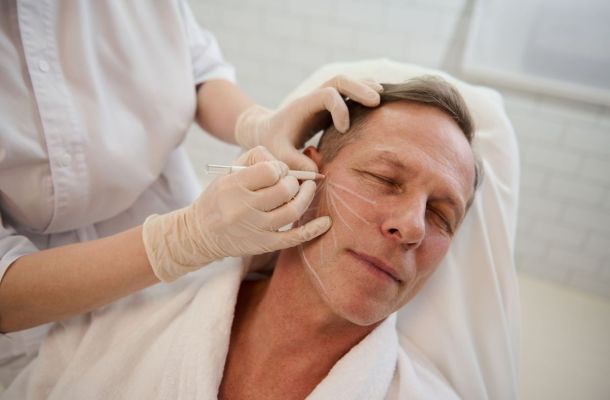
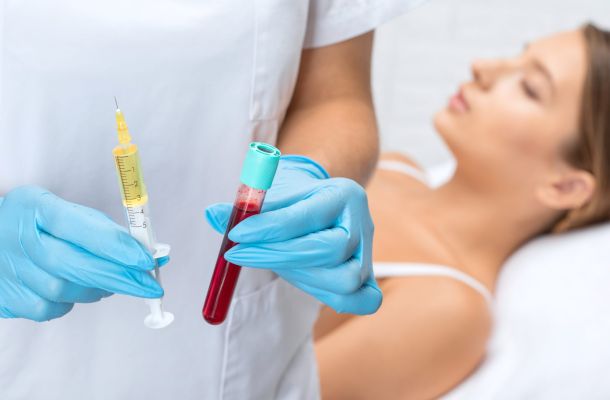
Both nanofat grafting and stem cell injections begin with the extraction of fat tissue. This is done through a small-volume liposuction, a minimally invasive procedure using small incisions and cannulas to collect tissue.
Fat tissue is used because it is easily accessible and has a very high concentration of regenerative cells, making it perfect for aesthetic medicine.
After the fat tissue is extracted, Nanofat grafting and stem cell injections follow different paths. Nanofat is processed through a mechanical process that filters the fat cells, resulting in a translucent liquid that is rich in stem cells and growth factors. This is immediately reinjected into the patient.
For stem cell treatments, the fat extracted is taken to the laboratory, where stem cells are isolated. This requires an additional waiting time between harvesting and injection, and stem cell treatments generally take place over 3-5 days.
An important difference between stem cell injections and nanofat grafting is the possibility of banking your cells for future use. Nanofat treatments need to be immediately reinjected, whereas stem cells can be stored for decades.
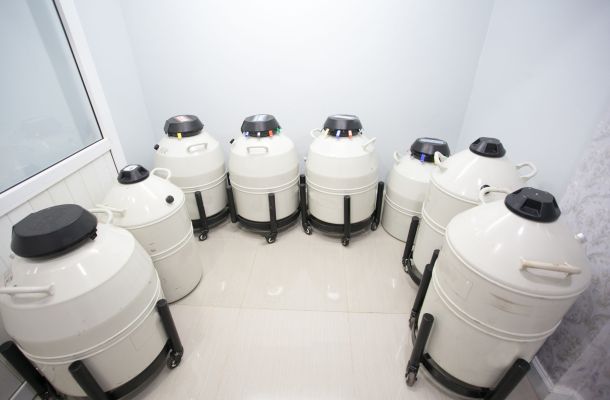
After being processed in the laboratory, they can be cryogenically stored and then used for treatments years down the line. This allows patients to preserve their cells for future regenerative treatments, locking them in at a younger age, when they are at their most potent. It also makes future treatments easier and quicker, as no extraction phase will be required.
Switzerland has some of the strictest and most clearly defined regulations in the world when it comes to regenerative medicine. The timelines of nanofat treatments and stem cell therapies are laid out by law.
Nanofat grafting is considered a “minimal manipulation” procedure because the fat is only mechanically processed, rather than being processed in a lab.
According to Swiss regulations, this means that the tissue can be reinjected the same day, and there is no mandatory waiting time. The entire process takes one to two hours, so nanofat grafting is a great choice for patients who want quick and easy regenerative effects.
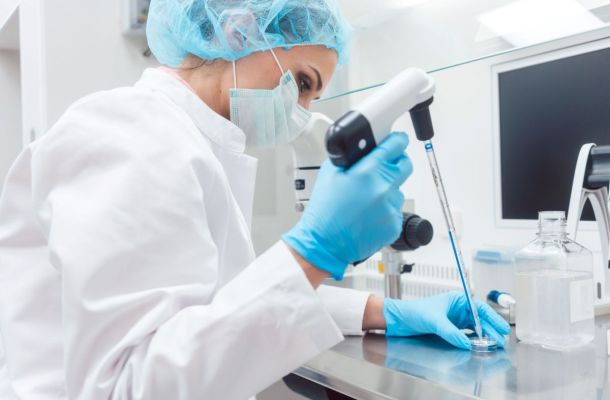
The legislation around pure stem cell treatments is different. After fat extraction, the stem cells are isolated and purified under controlled laboratory conditions.
According to Swiss medical regulations, this means that strict safety protocols must be applied. The cells must be handled in certified facilities, and reinjection can only take place after a predefined processing period of a few days.
While this introduces a delay to the process, it is part of the regulatory framework designed to keep patients safe and make sure they receive reliable treatment.
| Feature | Nanofat Grafting | Stem Cell Injections (Isolated) |
| Primary Goal | Skin texture and superficial repair | Structural regeneration and anti-aging |
| Processing Time | Immediate (30–60 minutes) | A few days (Lab Isolation) |
| Swiss Regulation | Minimal Manipulation (Same day) | Substantial Manipulation (As defined by Swissmedic) |
| Ideal Candidate | Fine lines, dark circles, “dull” skin | Volume loss, deep aging, systemic repair |
| Longevity | 12 – 18 months | 3 – 10+ years (30 if banked) |

Since they work on different timelines and on different levels of the skin, nanofat grafting and stem cell extraction are very efficient when used together. And you only need one extraction procedure to receive both treatments.
Part of the tissue is immediately processed into nanofat and reinjected. The rest is sent to the laboratory for processing and then injected several days later as purified stem cells.
Clinique Lémana offers this two-in-one approach so that you can get every bit of value out of the procedure. The nanofat injections provide immediate improvements to the skin, smoothing over fine lines and wrinkles. The stem cells work in the deeper levels to restore tissue health, with effects that increase for months after the procedure. You can also choose to bank stem cells for future use, giving you access to regenerative treatments in the years to come.