Executive Burnout: Causes, Symptoms & Recovery
Burnout used to be framed mostly as an employee problem. The data now says otherwise: the people running organizations are burning out at least as o…


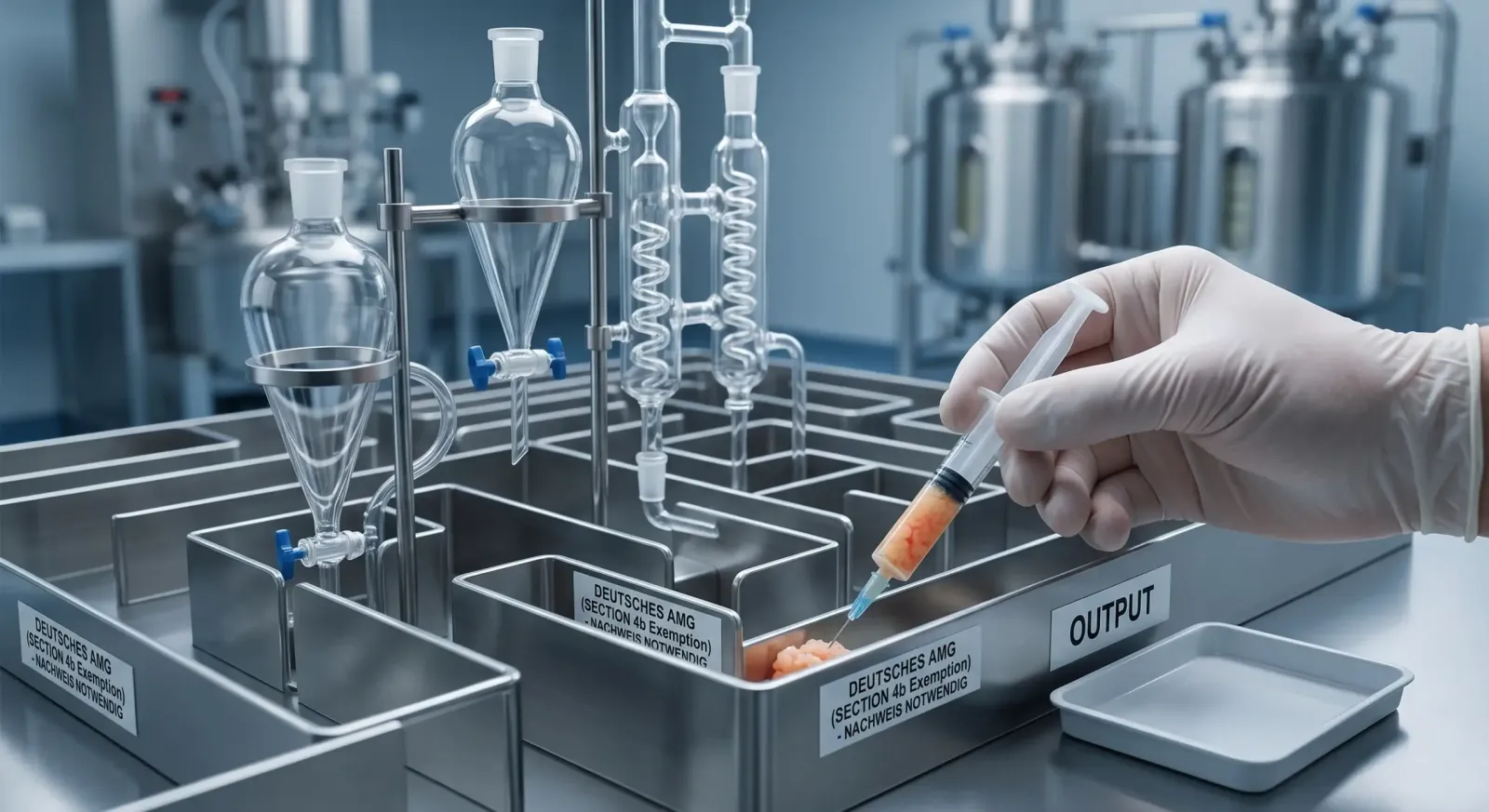
Stem cell therapies are developing rapidly, but they are still at the cutting edge of aesthetic and regenerative medicine. That’s why the legislation in many countries is still catching up.
If you’ve looked into stem cell therapies in Germany, you’ve likely stumbled upon a lot of contradictory information about what is and is not permitted. One clinic will plainly state that a treatment is legal. Another will call the same treatment a gray area. A third won’t mention legality at all. The reality is that German law has some very fine, technical distinctions over which treatments are allowed, which make navigating the system as a consumer very difficult.
This guide breaks down the current legal landscape of stem cell therapies in Germany. We’ll look at the specific German laws involved, what they actually say, and where the grey areas are. We’ll also explore why Switzerland, Germany’s German-speaking neighbor, is attracting a growing number of German patients due to its clearer framework and exemplary treatment offerings.
Germany does not have a single law stating that stem cell treatments are legal or otherwise. Instead, it has a complex web of texts, allowing stem cell treatments in some cases, depending on what the cells are, what is done to them, and what they are used for.
The first factor determining whether a stem cell treatment is legal in Germany is its use case. The law distinguishes between research purposes, medical procedures, and aesthetic use.
When it comes to research, there are strict laws, particularly around the use of embryonic stem cells. Medical treatment using a patient’s own stem cells, such as a bone marrow transplant for leukemia, is long-established, legal, and well-regulated.
However, the law around aesthetic treatments is far less well defined, and it is this specific grey area that interests us in this guide.
If the legal status of aesthetic stem cell treatments is so unclear, a fair question is why clinics advertise them at all.
Part of the answer is that German regulators have, in practice, focused their enforcement on clearer, higher-risk cases, such as clinics offering unauthorised treatments for serious diseases, rather than on aesthetic procedures specifically.
There is also ongoing disagreement among practitioners about where the legal line sits, both in terms of performing stem cell treatments and marketing and selling them as “stem cell” or “regenerative” procedures.
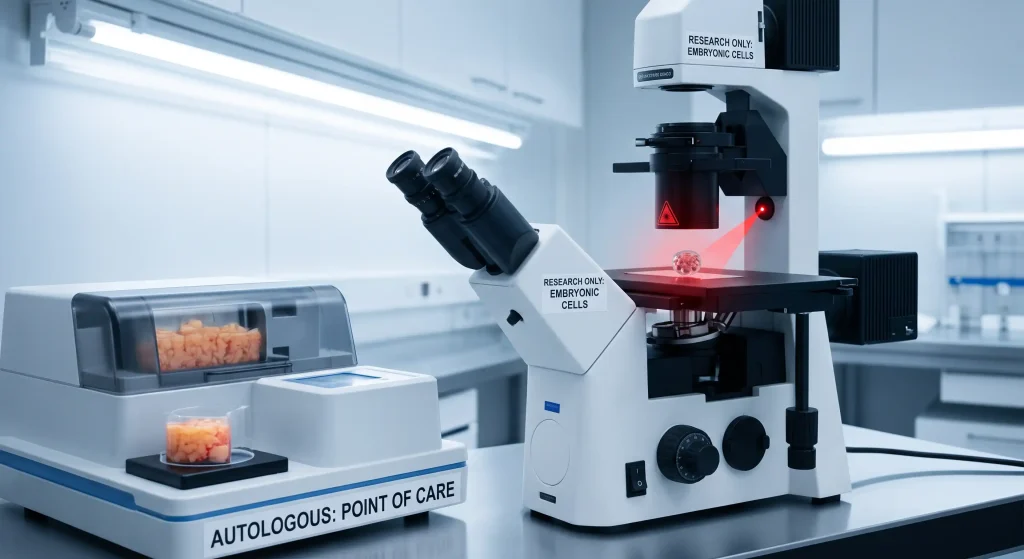
Three pieces of law sit behind almost every claim you will read about stem cells in Germany.
Germany’s Stammzellgesetz, or Stem Cell Act, is the law most people have in mind when they say “stem cells are restricted in Germany.” The law prohibits the import and use of human embryonic stem cells except under narrow, specifically licensed research conditions, overseen by the Robert Koch Institute.
However, it does not apply to the use of a patient’s own adult stem cells in medical or aesthetic settings. The Stem Cell Act governs embryonic research, not the autologous treatments offered by clinics.
The treatments we’re most interested in this guide are autologous stem cell treatments used for aesthetic purposes, such as skin rejuvenation or anti-aging. They use cells extracted from the patient’s own body, or autologous cells, typically harvested from fat tissue.
These sit under a different law entirely, Germany’s Arzneimittelgesetz, or Medicinal Products Act, which brings the European Union’s Advanced Therapy Medicinal Products, or ATMP, framework into German law. Under this framework, autologous stem cells are not automatically allowed or banned as a category: whether a specific treatment is permitted comes down to how the cells are processed and what they’re used for once reintroduced.
Whether a given procedure counts as a straightforward medical treatment or a regulated medicinal product comes down to two factors under EU law.
The first looks at how much the cells are processed: simple steps like cutting, filtering, centrifuging, or freezing count as minimal manipulation, while anything that changes the cells’ biological characteristics, such as isolating them enzymatically or growing them in a lab culture, counts as substantial manipulation.
The second looks at what the cells are used for once they go back in: “homologous use” means they do the same job in the same kind of tissue as they were extracted from, while “non-homologous use” means they’re being used for something different.
The European Medicines Agency’s own scientific committee found that a patient’s own fat, minimally processed and re-injected simply as a volumizing filler, was not a regulated medicinal product at all, precisely because it ticked both boxes, minimal manipulation and homologous use.
However, if either variable is pushed further, by more complex processing or the use of cells for a different purpose, such as skin rejuvenation, a treatment can start to tip into medicinal product territory, which requires explicit authorization.

Based on that legal foundation, we now need to examine which treatments sit where.
Autologous stem cell transplantation for blood cancers and related conditions is a well-established, thoroughly regulated standard of care in Germany, and has been for decades. These hematopoietic, or blood-forming, stem cell preparations are handled under a specific authorization pathway within German medicines law designed for exactly this clinical use, are typically covered by statutory health insurance, and involve no legal ambiguity whatsoever.
Section 4b of the Medicinal Products Act creates what is known as the Hospital Exemption, a route that allows a hospital to use a stem cell product that would otherwise require full EU-wide marketing authorization, provided it is prepared on a non-routine basis, used for an individual patient under a doctor’s direct professional responsibility, and specifically authorised in advance by the Paul-Ehrlich-Institut. This is a rare and demanding process.
The Hospital Exemption was built for serious medical situations, not for routine, repeatable treatments that a clinic wants to sell to a broad client base.
It requires applying for authorization, ongoing safety reporting, and a specific hospital setting, none of which are compatible with a commercial aesthetic offering. There is currently not a single documented case of the Hospital Exemption being used for a purely aesthetic or anti-aging treatment.
The confusion around the legality of stem cell treatments in Germany mainly concerns aesthetic procedures.
Many clinics in Germany offer simple, same-session injections of unprocessed autologous fat as a volumising filler, which appears to fit with the country’s allowance of minimally manipulated medical products.
However, those that go further and offer stem cell treatments for skin rejuvenation or anti-aging exist in a grey zone. If a treatment genuinely includes the injection of stem cells, then it involves an extra level of processing, putting it on uncertain legal footing.
German medical publications describe this exact question, whether processed fat and stem cell preparations count as tissue or as a manufactured drug, as a live and unresolved dispute among practitioners and regulators. German authorities have also taken enforcement action before: the Paul-Ehrlich-Institut has publicly warned patients about commercial clinics offering unauthorized advanced cell therapies.
This doesn’t mean every clinic offering aesthetic stem cell treatments in Germany is acting in bad faith. It does mean the legal basis behind many commercial offers is uncertain, which could lead to treatments being suspended, and leaves little consistency around safety procedures and standards.
If a clinic simply tells you a treatment is legal, it’s worth pushing further: ask exactly how the cells are processed, what authorisation the clinic holds, and whether the answer would actually hold up against the minimally manipulated, homologous use test above. A clinic that can’t answer clearly is telling you something useful in itself.
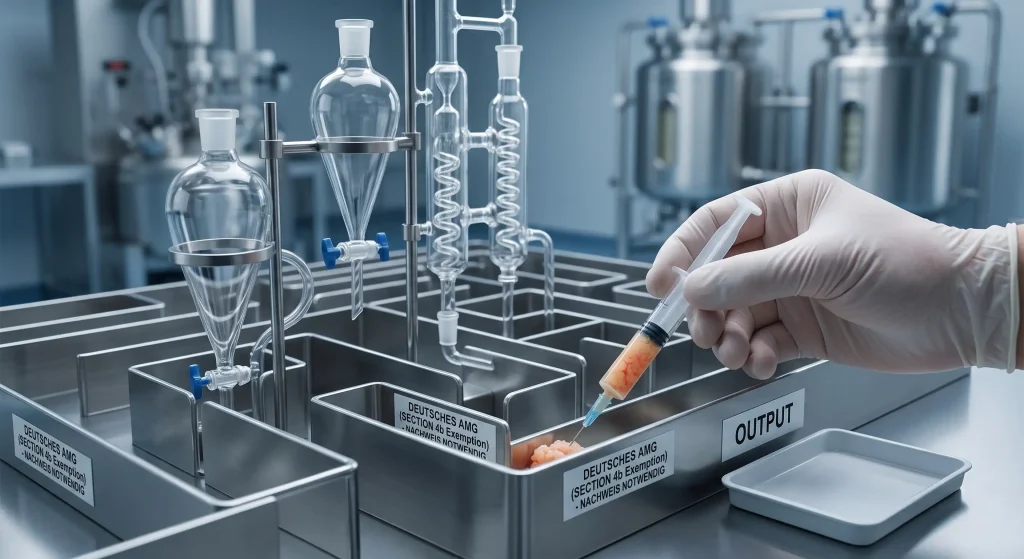
Switzerland has a more explicit, well-regulated system around aesthetic stem cell treatments.
Swiss law draws a similar line to Germany’s, between minimal and substantial processing, but spells it out in far more operational detail. Under the Swiss Transplantation Act, autologous material that’s only mechanically processed, filtered or centrifuged, say, and stays within the same type of tissue, needs just advance notification to Swissmedic rather than full drug authorisation.
Swissmedic’s guidance directly addresses aesthetic use, which is what makes the Swiss system easier to work with. The advantage is not that everything aesthetic is automatically permitted, but that a patient or clinic can actually look up a clear, codified text and know in advance which side of the line a given treatment falls on, something the German landscape does not offer nearly as cleanly.
Cultured or lab-expanded stem cells are treated the same way in Switzerland as in Germany and across the EU. They are considered a manufactured medicinal product that requires full Swissmedic market authorisation, placing them out of reach for most aesthetic clinics.
Swiss regulators have also shown they enforce this in practice, having investigated and taken action against at least one clinic for offering unauthorised, lab-processed cell treatments.
| Germany | Switzerland | |
| Autologous, minimally manipulated cells (same session, no culturing) | Legally possible in principle when used homologously, such as fat re-injected as filler, but the law does not spell this out clearly, and the moment the purpose changes it can require the Hospital Exemption or full authorisation | Clearly set out under the Transplantation Act with Swissmedic oversight: mechanically processed autologous material used within the same tissue type qualifies for a straightforward notification route |
| Cultured or lab-expanded cells | Classed as a medicinal product (ATMP), requiring full authorisation or the Hospital Exemption, practically unreachable for a commercial aesthetic clinic | Also classed as drug manufacturing under the Therapeutic Products Act, not commercially authorised outside clinical trials |
| Treatment for a recognized condition (e.g. blood cancer) | Established standard of care, covered by statutory health insurance | Established standard of care, on the same core principles |
| Aesthetic use (skin rejuvenation, anti-aging) | Legal grey area for most commercial offers, with real enforcement history | A narrower but genuinely codified pathway exists for same-tissue, mechanically processed use; injecting into skin for rejuvenation still requires full authorisation, but the boundary itself is far clearer to identify in advance |
The practical implication of all of this depends entirely on what you are looking for.
If you have a recognized medical condition such as a blood cancer, both countries offer well-established, properly regulated, and clinically proven stem cell treatment, and the choice between them can reasonably come down to your own doctor’s recommendation, as well as your insurance and your preferences.

Given the legal uncertainty around most commercial aesthetic offers in Germany, and the clearer, codified framework Switzerland has built around the same underlying science, receiving treatment from a Swiss clinic operating within that framework is, for most patients, the more secure choice, and one that requires only a short trip across a border many patients already cross regularly.
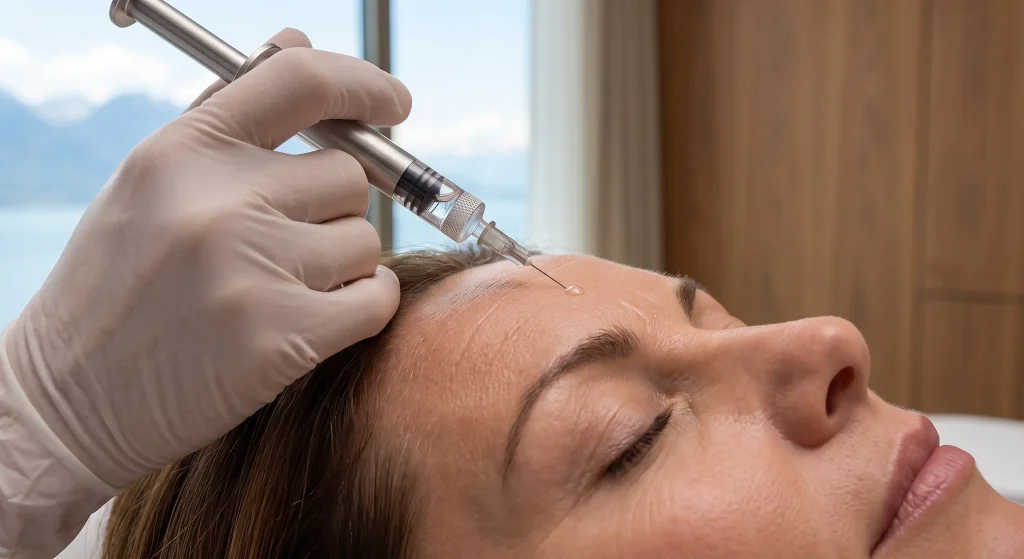
For patients traveling from Germany, the Lake Geneva region is particularly convenient for this kind of treatment. It sits within easy reach of the German border and is well served by direct rail and air connections from most major German cities, so a consultation, treatment, and follow-up visit rarely amount to more than a short trip. German is also widely spoken throughout Swiss clinics in the region.
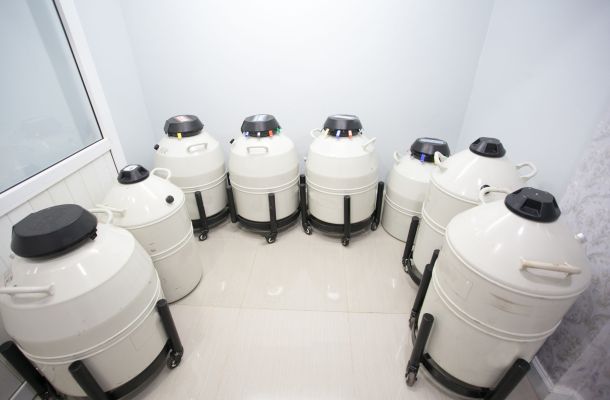
The Lake Geneva region is home to some of the most established longevity and regenerative medicine institutions in Europe, and alongside high-end treatment programs, they offer stem cell storage, so you can preserve your cells for future treatments.
Aesthetic stem cell therapy is not illegal in Germany, but it isn’t clearly authorised either. Treatments for skin rejuvenation or anti-aging sit in a grey area, which translates to uncertainty for patients. Neighboring Switzerland has a far clearer regulatory framework, as well as leading rejuvenation clinics where German is widely spoken. This makes it an excellent destination for German patients seeking stem cell treatments.
No. Stem cell therapy for recognized medical conditions, such as blood cancers, is legal, well-established, and typically covered by health insurance. What is heavily restricted is the use of human embryonic stem cells for research, under the Stem Cell Act, which is a separate matter from a patient’s own adult stem cells.
You can find clinics offering them, but the legal basis for most commercial aesthetic stem cell offers in Germany is unclear, and depends on how the cells are processed and how they are used, questions most marketing materials do not address in detail.
Enforcement has historically focused on higher-risk cases rather than aesthetic treatments specifically, and there is genuine ongoing disagreement among practitioners about where the legal line sits.
Yes. German patients can access stem cell treatment in Switzerland on the same basis as Swiss patients.
The cost depends on the specifics of the treatment and whether you opt for long-term stem cell storage. In general, stem cell treatments range from CHF 25,000 to CHF 50,000 and beyond ($30-60,000).
Generally, no. Health insurance in both Germany and Switzerland typically covers stem cell treatment for recognized medical conditions, but not for aesthetic treatments for skin rejuvenation or anti-aging.