Profhilo: Why the Skin Booster Won’t Reach Your Goals
1 July 2026
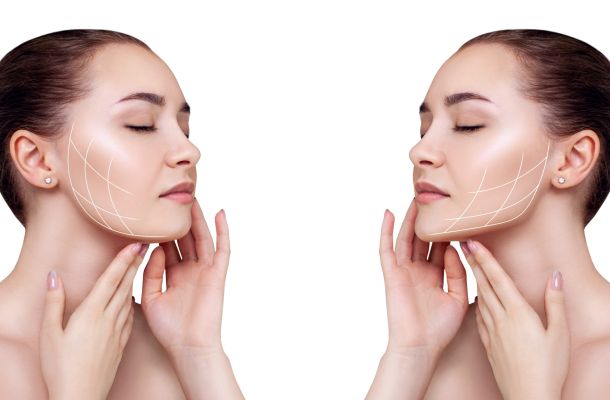
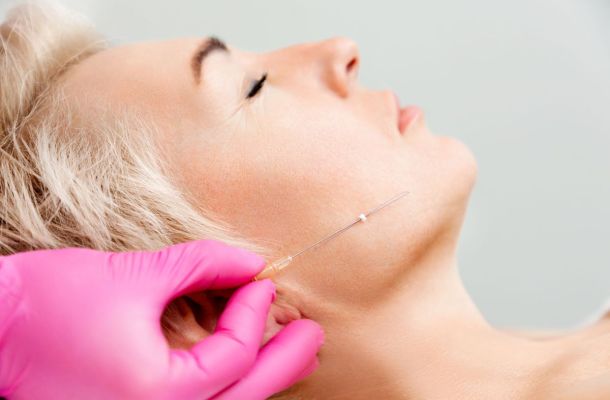
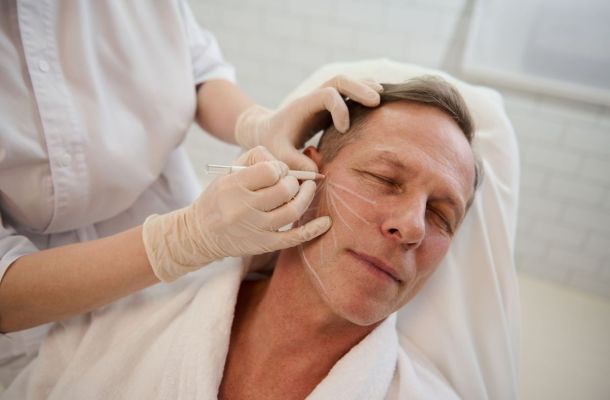
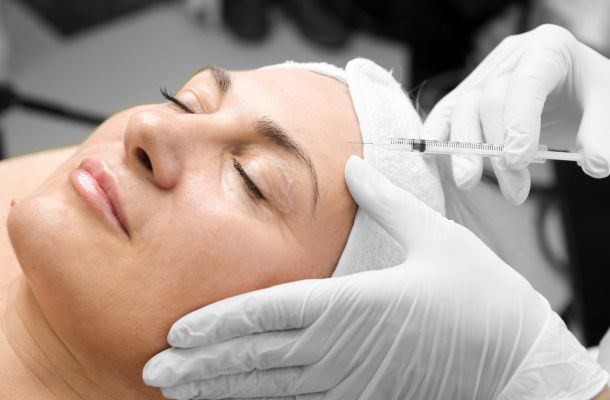
The Profhilo skin booster is an injectable treatment used to rejuvenate the face and neck. It’s become one of the most requested aesthetic treatments in the world because it gives the skin a glow worthy of an Instagram filter. The science behind it is genuine, and patient satisfaction is often high after the first treatment. Yet many people find that after two or three rounds, their skin looks fresher, but the deeper changes they were hoping for never arrive.
The fact of the matter is that Profhilo only works on a surface level, and it doesn’t impact the underlying mechanisms of aging, so there is only so far it can take you toward your rejuvenation goals. This article will look at Profhilo results, Profhilo limitations, and which alternative or complementary treatments you can consider.
What Profhilo Actually Is, and What It Was Designed to Do
Profhilo is often described as an “injectable moisturizer”, but what does that actually mean?
The Bio-Remodeling Concept: More Than a Filler, Less Than Regeneration
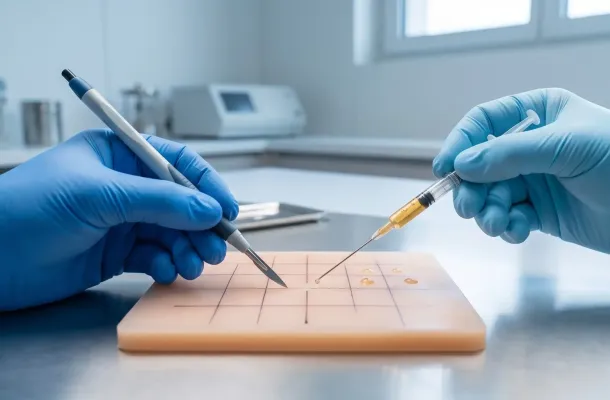
Profhilo is an injectable made from ultra-pure hyaluronic acid, the same water-binding sugar your skin produces naturally and loses with age. Profhilo puts a highly concentrated, purified dose of it back in.
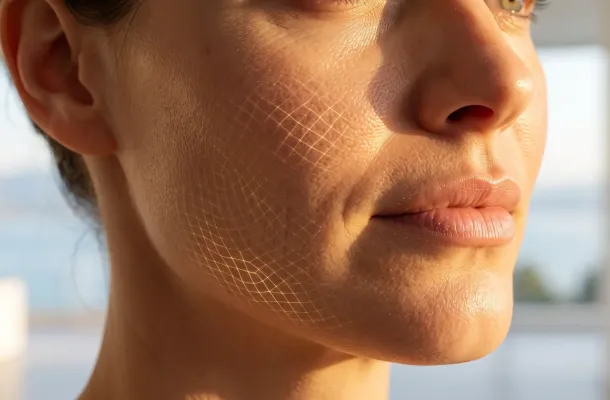
Up to here, it is similar to other fillers. What changes is what it does once it is injected. Most fillers stay where they are injected and plump up a specific spot. Profhilo is runnier, so it spreads out under the skin and gradually disperses over about four weeks. As it passes, it signals to your skin cells to make more of their own collagen and elastin, the two proteins responsible for firmness and bounce. The industry calls this bio-remodeling because your own cells do the heavy lifting.
This makes Profhilo a clear step up from a simple filler, but it isn’t regeneration in the true sense, as it doesn’t have a long-term impact on how cells work.
Who Profhilo Genuinely Helps and Why Results Feel Real but Temporary
Profhilo does excellent work within its lane. The patients who are happiest with it tend to be over 30, with skin that has become dull, dehydrated, a little crepey, or mildly lax, and whose main goal is overall freshness rather than dramatic structural change. Typical protocols use two sessions four weeks apart, sometimes three, and lead to visible improvements in tone and texture.
Profhilo results are real, but they are also temporary, because the injected hyaluronic acid is broken down within weeks, and the collagen stimulation it triggers also fades. After a few months, a top-up is generally required.
The Goals Profhilo Cannot Meet, and Why So Many Patients Don’t Realize This Until After
Profhilo is a good treatment in its own way, but many people are left disappointed because they didn’t have clear expectations about Profhilo’s limitations.
It Does Not Reverse Cellular Aging
Skin ages because the cells responsible for keeping it firm and resilient become fewer, slower, and less responsive over time. Most importantly, fibroblasts, which produce those essential proteins, collagen and elastin, lose potency as you age.
Profhilo gives existing cells a temporary prompt and a fresh supply of hyaluronic acid. It does not change their function or replace cells that have stopped working. You are, in effect, asking tired machinery to run faster for a while, not repairing the machinery itself.
It Cannot Address Significant Laxity or Structural Volume Loss
Profhilo is designed to be runnier than fillers, so that it can disperse through the skin. This means that it does not add volume to the face. Anyone who has significant sagging or deep folds is likely to require very frequent top-ups or a different treatment altogether.
Profhilo Does Not Treat Pigmentation, Scarring, or Textural Damage
Profhilo improves skin quality in a general way, but it isn’t a treatment for specific damage. It doesn’t target specific areas like sun spots, acne scars, pigmentation, or textural irregularities. These require regenerative approaches or targeted resurfacing treatments.
Its Results Are Temporary by Design and Require Repeated Investment
Profhilo injections are not a one-off solution, but a temporary treatment that requires maintenance visits every six to nine months. This needs to be taken into account when investing in the treatment, as the frequent upkeep can be costly.
It Operates Above the Level Where Aging is Actually Happening
Profhilo works directly on what’s known as the extracellular matrix of the skin — the scaffolding, made up of hyaluronic acid, collagen, and elastin, that gives your skin its structure and supports the cells living within it. Topping up and stimulating that scaffolding is a useful approach with visible results. But it treats the symptoms of aging rather than the causes, because it doesn’t do anything to improve the cells whose job is to build and maintain the scaffolding in the first place. This means there is an upper limit to how much effect Profhilo can have.
What the Science Now Makes Possible: Treating Skin Aging at Its Source
The next generation of skin rejuvenation aims to influence the cells responsible for maintaining youthful skin, addressing the root mechanisms that Profhilo cannot reach.
The Shift From Hydration to Regeneration: What Modern Aesthetic Medicine Has Learned
Over the past decade, the field has been moving from treatments that top up the skin toward treatments that try to repair it. The reasoning is simple: if aging begins inside the cells, the most lasting results are likely to come from working there too. This is the foundation of regenerative aesthetics. It is a fast-moving and still developing field, and the amount of clinical evidence varies a lot from one treatment to the next. A serious clinic should tell you which is which, and that’s exactly why these treatments belong in a specialist medical setting rather than a salon.
Exosome Skin Therapy: Cellular Signals That Profhilo Cannot Deliver
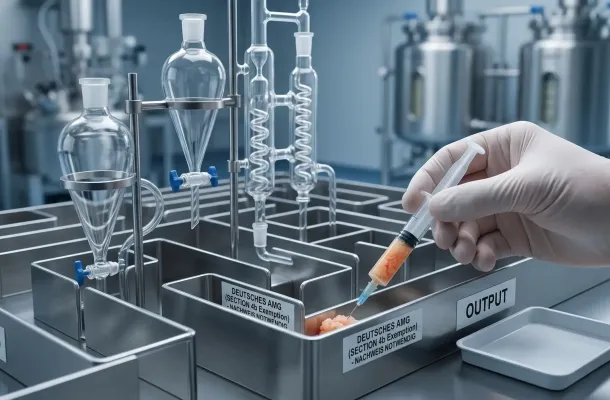
Exosomes are tiny vesicles that carry messages from one cell to another, including growth factors that encourage fibroblasts to produce collagen and elastin. By injecting fresh exosomes, exosome therapy can therefore influence how cells behave.
Stem Cell Aesthetic Treatments: Addressing Aging At Its Biological Root
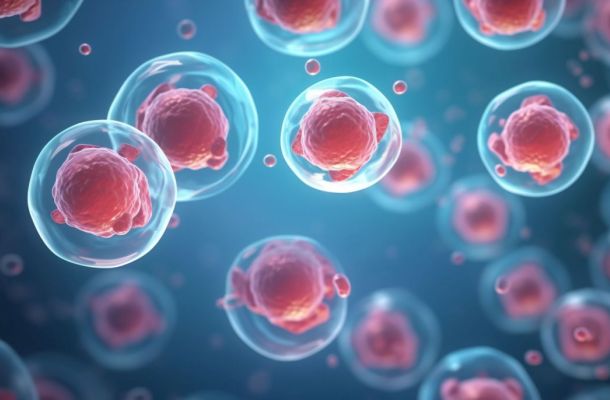
Stem cells are undifferentiated cells with the capacity to renew and repair tissue. In aesthetic medicine, the type used is the mesenchymal stem cell, harvested from a person’s own fat. When injected into the face and neck area, they benefit the skin not only by providing new, potent cells but also by influencing other cells. They secrete biological messages that restart the surrounding tissue’s repair mechanisms.
PRP and Growth Factor Protocols: Harnessing the Body’s Own Repair Signals
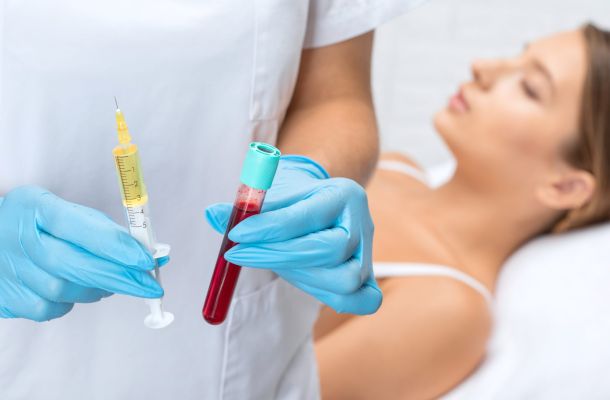
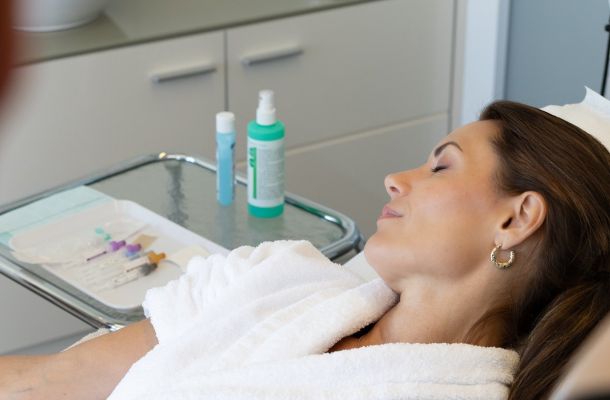
Platelet-rich plasma (PRP) is made by concentrating the platelets in a small sample of your own blood; those platelets release a cocktail of growth factors that signal the skin to repair and rebuild. There is a strong body of evidence proving PRP’s success at reducing wrinkles and fine lines.
How to Think About the Right Treatment for Your Actual Goals
The mistake many people make is choosing a treatment first, without fully knowing what they want to achieve. It is better to start by considering whether you are looking for glow and hydration, long-term skin health, or to tackle structural issues.
A Framework for Matching Treatment to Goal
Your primary concern
What Profhilo addresses
What may serve you better
Dullness, dehydration, mild crepiness
✓ Well-suited
Profhilo is appropriate; consider exosomes for deeper enhancement
Early laxity, skin quality decline in 30s–40s
✓ Partially addressed
Profhilo + exosome therapy for cellular layer; reassess at 12 months
When Profhilo Makes Sense as Part of a Broader Protocol
Profhilo is a genuinely good treatment, which improves the glow and hydration of the skin. It is best to consider it as one element of a broader anti-aging program, alongside regenerative treatments that improve cellular health from within.
What a Cellular Anti-Aging Protocol Actually Looks Like in Our Swiss Clinic
Clinique Lémana has practiced anti-aging and revitalization medicine since 1952. It is set within the five-star Mirador Resort & Spa above Lake Geneva, in the UNESCO-listed Lavaux vineyards. Our approach is deliberately layered: rather than repeating a single treatment indefinitely, we build protocols that work at the surface, the structure, and the cellular level together, overseen by a multidisciplinary medical team.
Our programs combine:
Regenerative Therapies for Skin and Cellular Health
Stem cell-based skin rejuvenation using your own adipose-derived cells, reinjected to stimulate repair from within, with no risk of rejection.
Exosome therapies that aim to deliver the cellular signaling that a hydrating booster cannot, applied within a properly regulated medical framework.
PRP regenerative treatments that harness the growth factors and stem cells of your own blood to rebuild collagen and improve skin quality.
Longevity Retreats Focused on Cellular Rejuvenation
Personalized anti-aging programs designed around your goals and needs
Medical detox and fasting protocols that support cellular health from the inside.
Preventive longevity medicine that treats aging as something to get ahead of, not merely to cover up.
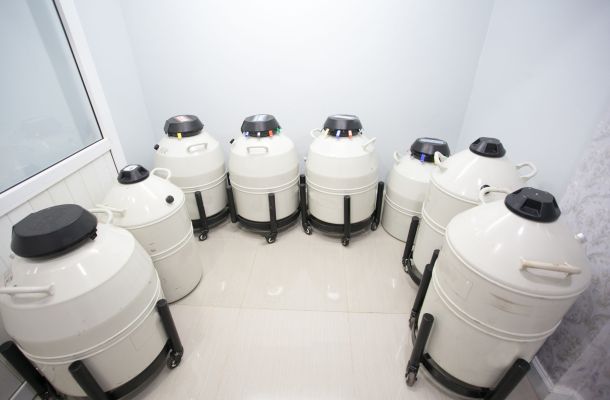
Stem Cell Banking up to 30 Years
At Clinique Lemana, you can bank your stem cells for up to 30 years. This means that a single extraction of your own cells opens the door to decades of regenerative treatments.
Get ahead of research and regulations. Cells banked now are biologically younger than cells you could harvest later, and they will be ready to use as the science and approvals around regenerative medicine continue to mature.
To find out the best plan for your needs, get in touch today, and our regenerative experts can help you build your own longevity program.
FAQ: Profhilo and Anti-Aging Treatments
I’ve had Profhilo twice, and my skin does not look how I imagined: what went wrong?
Most likely nothing went wrong, but many patients undergoing Profhilo treatment have inflated expectations. Profhilo improves hydration, tone, and fine texture, but if you hoped for radical shape changes or for an improvement of textural or pigmentation issues, these are not the sort of changes it can provide.
Is Profhilo a waste of money if I want serious anti-aging results?
Profhilo isn’t a waste of money in the sense that it has real effects and leads to visible improvements. However, regenerative treatments that require less maintenance and address aging on a deeper, more structural level may ultimately be a better value.
What is the difference between Profhilo and exosome skin therapy?
Profhilo works by injecting hyaluronic acid, which hydrates the skin and stimulates collagen and elastin production for a visible glow. Exosome therapy injects vesicles that carry biological signals to influence how your skin cells behave.
Can I combine Profhilo with stem cell or exosome treatments?
Yes, and many protocols do. Profhilo can handle surface hydration and skin quality while regenerative treatments target deeper cellular repair and volume. The order in which you do the treatments matters, so you should talk through your aims with a medical team to determine what to do and when.
How do I know which treatment is actually right for my skin?
Start by defining what you want to achieve. Hydration and glow point toward skin boosters; volume loss, laxity, scarring, or cellular aging point toward regenerative options. If you aren’t really sure, talk it through with our regenerative experts, who can help you ask yourself the right questions and provide the right answers.
Is Stem Cell Skin Treatment Better than Profhilo?
When it comes to skin booster vs stem cells, neither is better, simply different. They address different levels of aging: Profhilo directly impacts the skin’s scaffolding, while stem cells influence the cells themselves, increasing their ability to repair themselves. Profhilo gives a temporary glow and surface-level improvements, while stem cell therapy is a truly regenerative approach that affects your skin health at a deeper level.