Stem Cell Therapies in Germany: What Is Legal vs What Is Not
Stem cell therapies are developing rapidly, but they are still at the cutting edge of aesthetic and regenerative medicine. That’s why the legislatio…


Stem cell facial therapies are sometimes referred to as stem cell facelifts, even though they don’t physically “lift” any tissue at all. The regenerative effects of stem cell injections reshape your face from within, unlike the mechanical effects of traditional facelifts.
Both treatments can make you look considerably younger, but they do it by very different means, and are not interchangeable. Read on to learn about how stem cell facelifts and traditional facelifts work, what results you can expect from each treatment, and how to find which one is right for you.
Stem cell facelifts and traditional facelifts work in different ways to restore the skin of your face to a more youthful shape, limiting the sagging associated with aging.
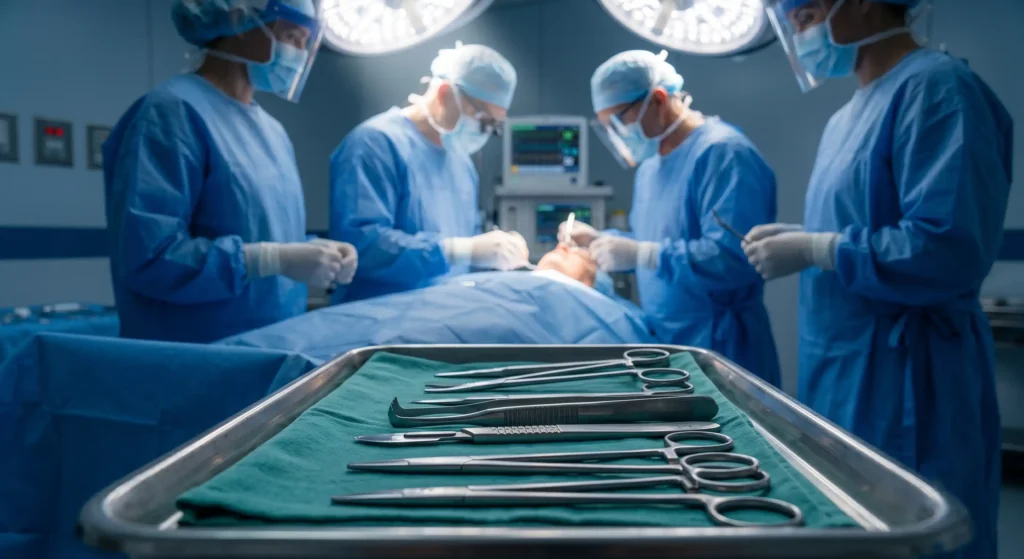
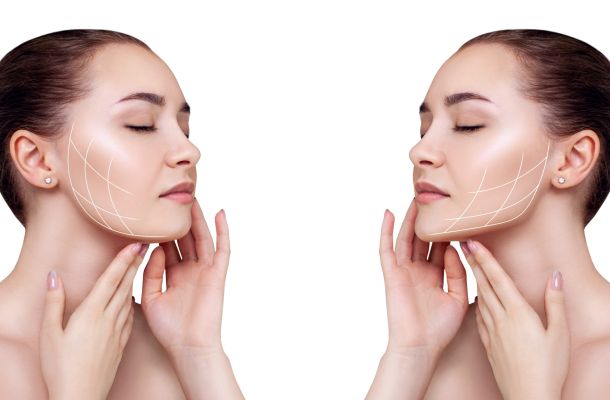
A traditional facelift is a mechanical solution to a mechanical problem. As you age, the supporting structures of the face weaken, causing the skin to slide downwards. Fat pads that once sat high in the cheek sink, ligaments anchoring facial tissue in place loosen, and you may start to see jowling, sagging, and deep folds running from nose to mouth.
Traditional facelifts are a surgical intervention that physically moves tissue back to where it came from. However, it doesn’t change the quality of the skin being moved, so if your skin is thin, crêpey, sun-damaged, or dull, a facelift will hold it in a better position but won’t improve its texture.
This is why surgeons often recommend combining facelifts with other treatments to improve the skin’s appearance along with its structure.
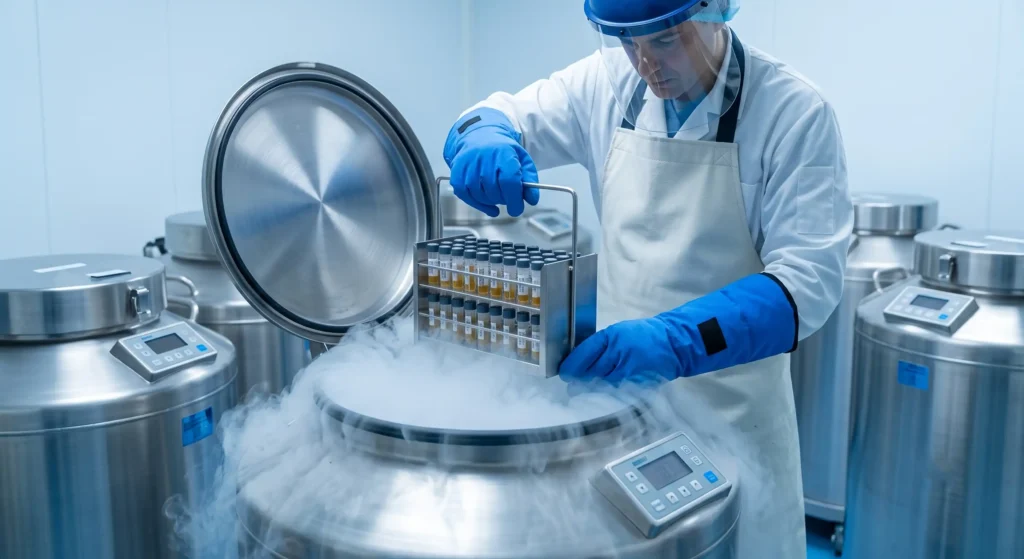
A stem cell facelift takes the opposite approach. Instead of repositioning tissue, it aims to improve the tissue itself, using cells taken from your own body.
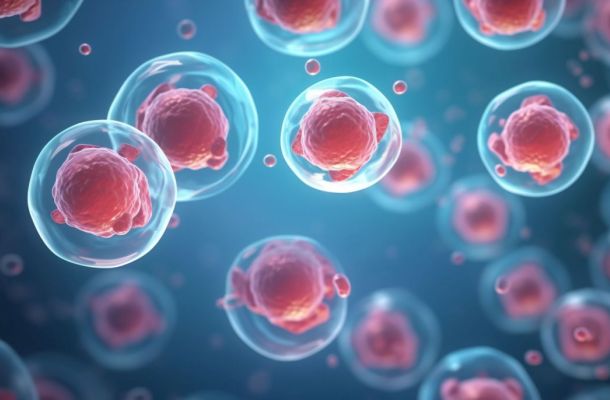
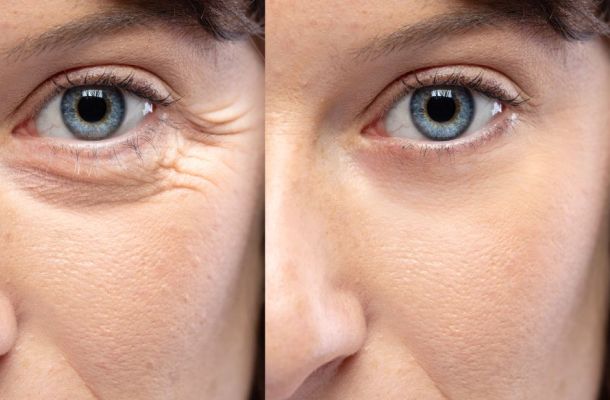
Stem cells are very potent cells that are able to replicate and specialize into various functions. When injected into the skin, they release growth factors and signalling molecules that encourage the pre-existing tissue’s repair mechanisms. This improves the texture of the skin on the surface, but also contributes to rebuilding the underlying scaffolding and restoring fat pockets, thereby improving the structure of the face as well.
The procedure has three stages.
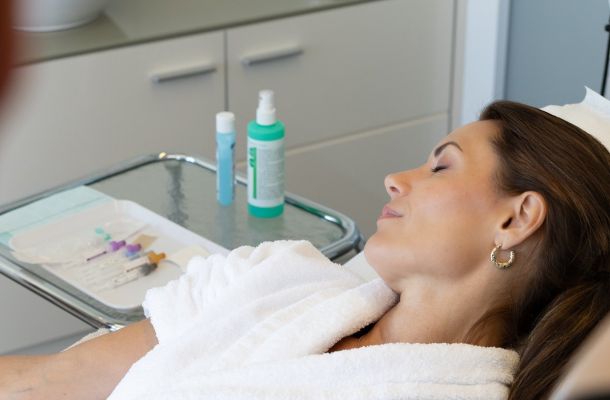
First, extraction: a small amount of fat is harvested, usually from the abdomen or thighs, via a gentle liposuction technique. Fat is used because it’s an unusually rich source of mesenchymal stem cells, and one that is very accessible.
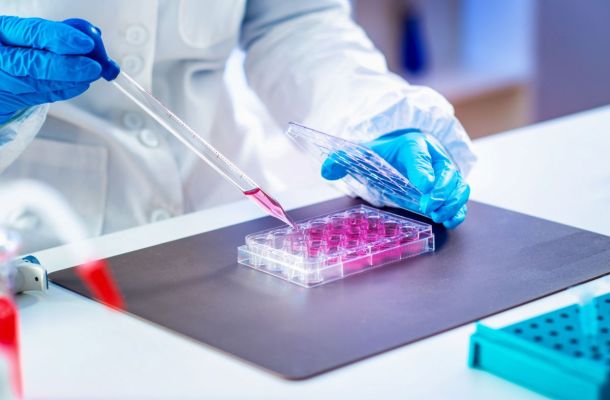
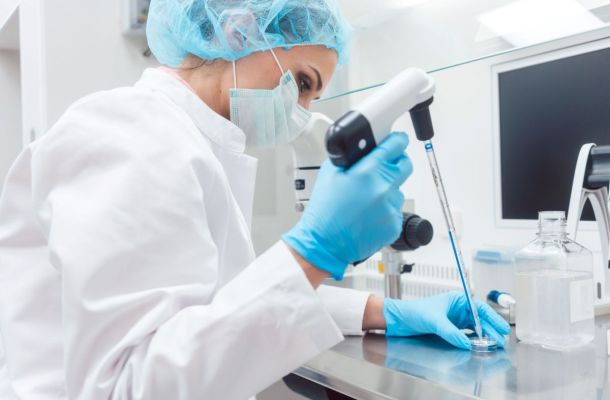
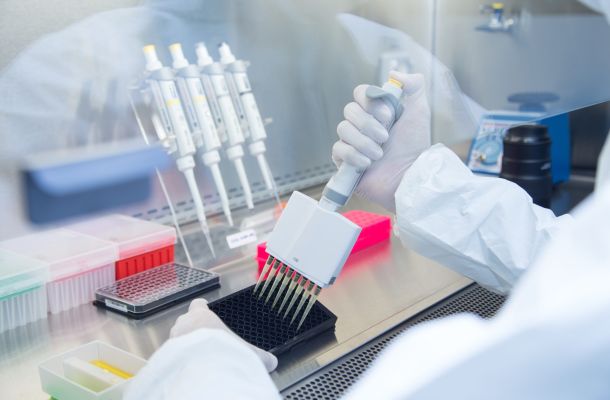
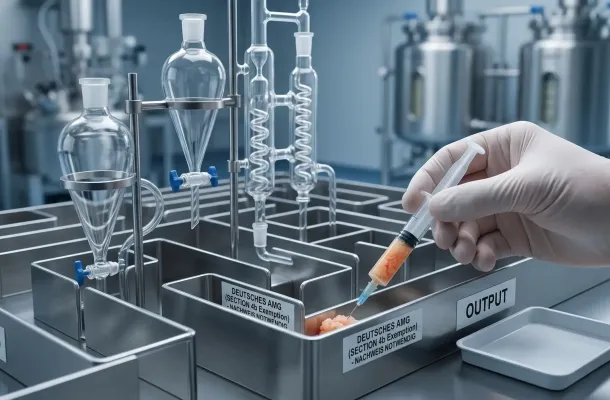
Next comes the processing phase. The harvested fat goes to a laboratory where the stem cells are separated and concentrated.
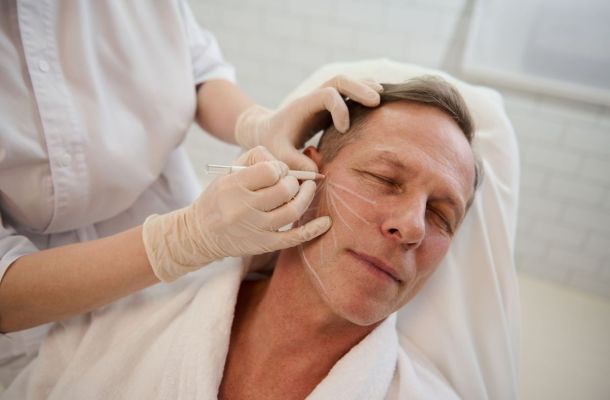
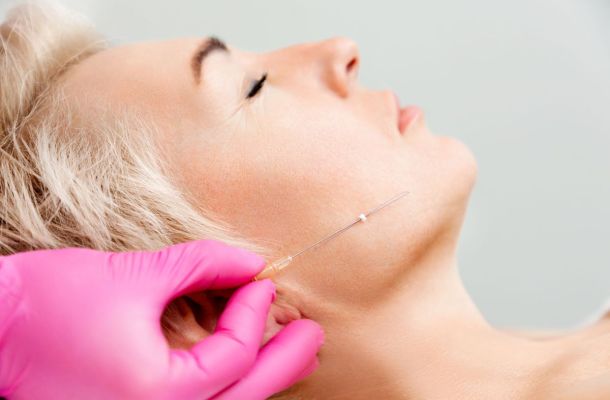
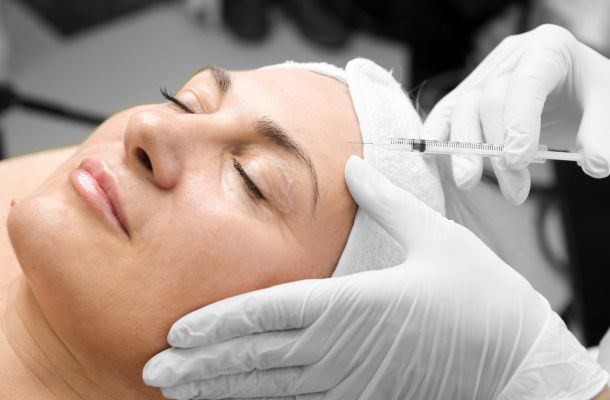
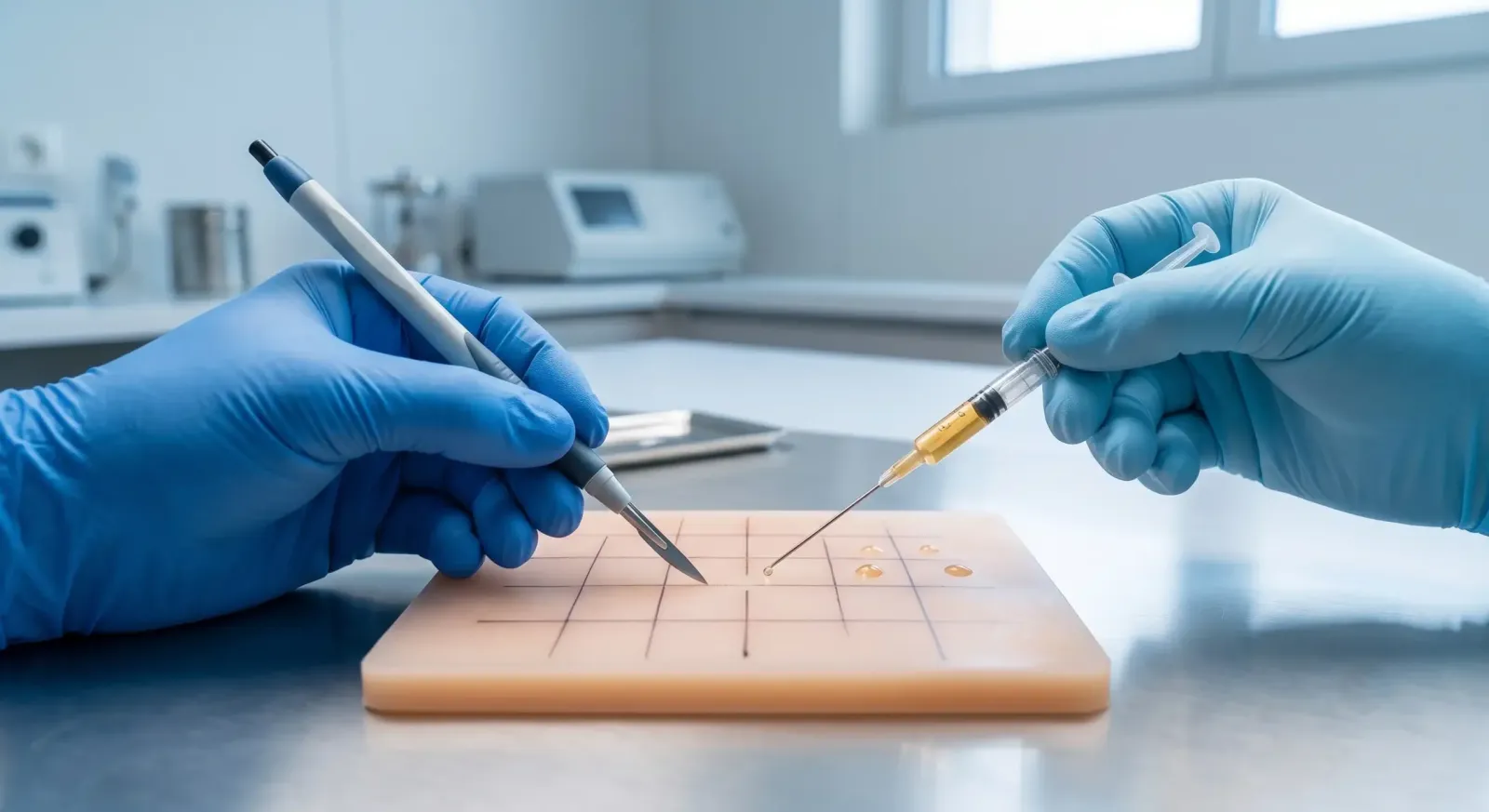
Then comes the injection, where these concentrated cells are reintroduced into the face through fine micro-cannulas. Over the following months, under the surface, the stem cells set to work improving the health of your skin.
When receiving rejuvenation treatments, many people are concerned that their face will look “pulled” making it very clear they had work done. Both traditional facelifts and stem cell therapies can look natural when done right. Here’s what to consider in both cases.
A stem cell treatment cannot make you look pulled, for the simple reason that nothing is being pulled. Your skin isn’t being repositioned from the outside, but rather, changes are occurring gradually from within, using the natural repair channels of your body.
Patients often describe others noticing they look well rather than noticing they’ve had something done. The results are subtle and very natural-looking.
However, that subtlety also means that stem cell facelifts aren’t for everyone. If you’re hoping for a stark change in your jawline, a treatment defined by gradual improvement in skin quality can feel underwhelming.
Stem cells can rebuild the skin’s scaffolding and improve your facial shape but they can’t move tissue to the same extent as traditional facelifts. Once jowls have formed or the jawline has lost its definition, surgery may be necessary to get the changes you desire.
Traditional facelifts don’t necessarily come with that “pulled” look. It’s a hallmark of older, skin-only techniques that tightened the surface sideways while leaving the deeper structures untouched.
Modern deep plane surgery works differently. The surgeon releases the ligaments anchoring the deeper layers, then lifts skin, fat and muscle together as a single unit, so the correction happens underneath rather than at the surface. The skin is laid back down without being stretched, which is why a well-done facelift still moves naturally when you smile.
Recovery is where the practical difference between these two options becomes most obvious.
Traditional facelifts are a real surgery done under general anaesthetic, and the recovery reflects that. Patients often experience swelling and bruising for a few days. Stitches typically come out around day seven, and it isn’t until two to three weeks later that appearance returns to normal and patients return to social settings.
Numbness can persist for six to twelve weeks as sensory nerves regenerate, and the final result is best judged at around twelve months. There will also be permanent scars, placed inconspicuously within the hairline and behind the ears.
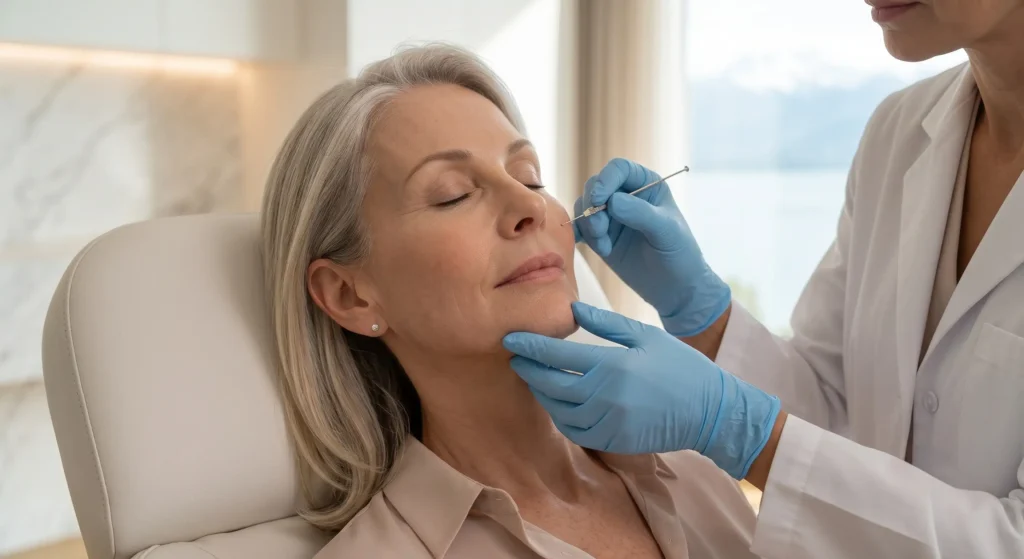
Recovery time for stem cell treatments is much shorter. There is generally some swelling at the injection site, which usually subsides within 24-48 hours.
The part that’s often glossed over is the extraction. Harvesting fat is a minor surgical procedure, and at many clinics it’s performed under general anaesthetic in an operating theatre.
The donor site will be tender and bruised for a week or two, much like recovering from small-volume liposuction. It’s mild compared with a facelift, but it still needs to be taken into consideration.
| Factor | Traditional facelift | Stem cell facelift |
| Anesthesia | General anesthesia | Local sedation or light general anesthesia for extraction only |
| Visible downtime | 2 to 6 weeks | Days to about 1 week |
| Scarring | Incision scars, usually well hidden | No major incisions, no visible scarring |
| When results are visible | Once swelling resolves, a few weeks | Gradually over 3 to 6 months |
| Best suited for | Significant sagging, excess skin, jowling | Volume loss, skin quality, early to moderate aging signs |
| How long results last | Several years, often 7 to 10+ | Typically 2 to 5+ years depending on protocol and lifestyle |
In terms of lasting results, surgery holds a clear advantage. Standard facelifts tend to hold their effects for five to ten years, and deep plane techniques last even longer.
Meanwhile, the effects of stem cell treatments build up gradually, and restore a certain amount of the body’s natural repair mechanisms. However, the improvements to collagen levels face gradually, and many patients look at further treatment after 5 years.
Both stem cell facelifts and traditional facelifts are technical procedures that demand real expertise, and both are priced accordingly. It’s worth being upfront that avoiding surgery doesn’t mean spending less. Stem cell treatment is not the budget option.
A full cervico-facial lift in Switzerland typically runs between CHF 12,000 and 18,000, with mini-lifts starting around CHF 8,000 and premium clinics charging well above that range.
Swiss quotes generally cover the operation, anaesthesia, your clinic stay, and follow-up care. Comprehensive stem cell programmes sit noticeably higher, tending to begin around CHF 25,000 and rising beyond CHF 50,000 depending on how many cells are harvested and how long they’re stored for.
What that higher figure buys is a different kind of result: no scars, very little downtime, and improvement in the texture and fullness of your skin rather than only its position.
You also have the option to bank your stem cells so that you don’t have to undergo extraction for any future regenerative treatments, meaning that stem cell therapies can be good value when you think in terms of the next few decades.
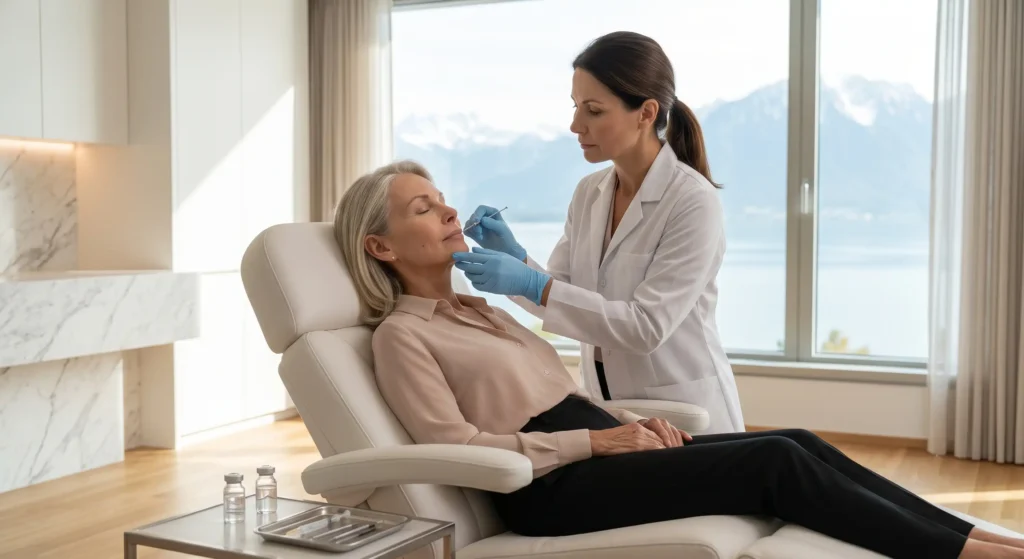
A facelift is usually a one-time event. You have it, you recover, and you live with the result for a decade or so. Most people never have a second.
Maintenance is largely a matter of good skincare, sun protection, and perhaps injectables for the things surgery doesn’t address.
Regenerative treatment is a different model, that usually requires topping up periodically to sustain the effects. Some people find that ongoing relationship appealing, because it means you get gradual, maintained improvements rather than a single dramatic intervention. However, others find it exhausting.
Banking your stem cells after a first extraction makes follow-up treatments much easier, as you only need to return for injections rather than undergoing harvesting again.
Before choosing between traditional facelift vs stem cell facelift, have a think about whether your primary complaint is about your skin’s position or its overall shape and quality.
The regenerative route fits you well if what bothers you is how your skin looks and feels rather than where it sits. Typically, that means:
It also suits people who are simply too early for surgery. Operating on a face that hasn’t yet descended produces an odd, over-tightened result; regenerative treatment gives you something meaningful to do in the meantime.
Surgery is the right answer, and injections are not, when the problem is structural:
If you look in the mirror and pull your skin upwards and backwards with your fingers and think that’s what I want, then that’s a mechanical correction that only surgery will deliver.
For many people, the ideal solution involves both types of facelift, in sequence: regenerative treatment through the forties to maintain skin quality, surgery later when structure genuinely goes, and regenerative treatment afterwards to keep the skin looking as good as its new position.

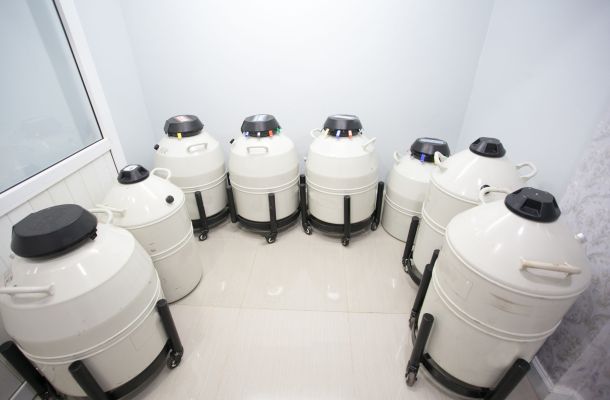
At Clinique Lémana, cells are extracted from your own fat, processed in a certified laboratory, and stored for up to thirty years. You receive a certificate documenting how many cells were collected, how many remain, and how long they’re stored for. A portion can be used immediately while the rest is preserved, and future sessions become simple reinjection appointments.
You’ll preserve your stem cells at their most potent, and use them for regenerative treatments as and when you need. And since the field of stem cell treatments is on the cutting edge of regenerative medicine, you will be able to benefit from treatments that haven’t even been invented yet.
If you take one thing from this comparison, make it the distinction between position and quality. A traditional facelift fixes position. It’s the only option that genuinely lifts, and it asks for real surgery, real scars, and maybe two to three weeks before you’ll want to be seen.
A stem cell facelift improves quality. It doesn’t physically lift the skin, but works gradually over months to improve the fullness and texture of your face. It’s a genuinely regenerative approach, and one that restores your natural ability to heal, so that your skin improves from the inside out.
It depends on what you are looking for. Surgery is the only option that repositions descended tissue. A stem cell treatment is more effective at improving skin quality, texture and fullness, which surgery barely touches.
The injections themselves are generally well tolerated, with fine cannulas and topical or local anaesthetic, causing brief swelling and bruising. The fat extraction is the more significant step and is often performed under general anaesthetic, leaving the donor site tender for a week or two. It is uncomfortable rather than painful, and far milder than surgery.
A single treatment produces visible change, but not immediately. First effects usually appear a few weeks after injection and build over three to six months as collagen develops. Some protocols include a second session. If cells are banked, further sessions are simple injection appointments with no repeat extraction.
Very unlikely with a regenerative treatment, since nothing is pulled or placed under tension. The change is gradual and works with your own tissue. The “windswept” look people fear comes from older skin-only surgical techniques. Modern deep plane surgery, which repositions deeper layers without skin tension, also avoids it.
Yes, and it’s a common sequence. Regenerative treatment maintains skin quality in your forties and fifties; surgery addresses structure when tissue genuinely descends. Fat and cell transfer is often performed alongside a facelift, since surgery repositions tissue but doesn’t improve its quality. Banked cells make this considerably easier.
Nothing — that’s the point of cryopreservation. Cells are stored at ultra-low temperatures under strict Swiss laboratory oversight, halting biological activity so they remain as they were on the day of collection. Your certificate records the quantity and storage term, and they stay available for aesthetic or, potentially, medical use in the future.