You walk into a room and forget why you’re there. You reach for a name you’ve known for years, and it stays just out of grasp. These moments tend to arrive more frequently as we age, and they make a lot of people uneasy. Cognitive decline is a frightening prospect. In surveys, it consistently ranks among the health outcomes people dread most, even above cancer, heart disease, and chronic pain.
For a long time, it was seen as inevitable: brains aged, neurons died, and there wasn’t much you could do about it. But the science has shifted. We now know that brain aging is far more malleable than we thought. The brain responds, throughout your entire life, to how it is used, challenged, rested, and nourished.
A growing body of research shows that the choices we make in our thirties, forties, fifties, and beyond can significantly influence how our brains age. These choices play an important role in supporting brain health longevity, helping to slow brain aging and reduce the risk of cognitive decline over time.
So what does the evidence actually say about brain aging? And what can you start doing right now to prevent cognitive decline?
What Brain Aging Actually Means, and When It Starts
Cognitive decline starts long before memory slips or confusion becomes noticeable. Brain aging begins in middle age and progresses gradually over decades.
The Brain Begins Changing Earlier Than You Think
Research shows that the brain’s volume and weight begin to decrease as early as your 30s or 40s. The shrinkage is gradual at first, then accelerates from your sixties onward, particularly in the hippocampus, which is the region responsible for memory and learning.
These early changes don’t necessarily mean you’ll notice anything wrong. The brain is remarkably good at compensating and adapting, meaning that cognitive decline can go unnoticed for years.
The Key Biological Mechanisms Driving Cognitive Decline
So what’s actually happening in the brain as we age? Scientists have identified several biological processes that play a role in the decline.
Neuroinflammation
As we age, the brain’s immune system can tip into a chronic, low-grade inflammatory state. The persistent irritation can damage neurons and disrupt how they communicate. This connects to a wider phenomenon scientists call “inflammaging”: the tendency for the whole body to become more inflamed as we get older. Neuroinflammation is increasingly recognized as one of the major biological drivers of cognitive decline.
Mitochondrial Dysfunction
Neurons are among the most metabolically demanding cells you have, and they depend heavily on mitochondria to keep them fueled. As mitochondrial function declines with age, neurons can’t meet their energy needs as efficiently, which disrupts signalling between cells and, in more severe cases, leads to cell death.
Declining Neural Stem Cell Activity
As we age, our brains also lose their ability to regenerate. Some research suggests that adults do produce some new neurons, but the capacity to do so diminishes over time, particularly in the hippocampus. Less renewal in a region devoted to memory leads to memory loss.
Glymphatic System Impairment
The brain has its own waste-clearance system, known as the glymphatic system, which flushes out toxic byproducts while you sleep. This system becomes less efficient with age, so harmful proteins like beta-amyloid accumulate. Beta-amyloid buildup is one of the hallmarks of Alzheimer’s disease. This is one reason, among many, that sleep matters so much as you get older.
The Inflammaging-Brain Connection: Why Your Body’s Inflammation Is Your Brain’s Problem
Perhaps the most important thing recent research has shown us is how closely the brain’s health is tied to the body’s. Inflammation is the clearest example. As we age, many of us develop a chronic, low-grade inflammatory state that shows up in aching joints, stiffening arteries, and sluggish immune responses. But it also crosses into the brain, where it damages neurons and speeds up cognitive decline. You cannot look after your brain without looking after your body.
What Accelerates Brain Aging and Why Modern Life Is Particularly Harsh on the Brain
While some degree of brain aging is inevitable, certain factors can speed up the process and increase the risk of cognitive impairment. Unfortunately, many of these factors are common features of modern life.
Chronic Stress: The Cortisol-Hippocampus Relationship
What makes stress even more stressful is the knowledge that it causes long-term harm. When we’re stressed out, our bodies release cortisol, a hormone that has a detrimental effect on the brain and, over time, can actually shrink the hippocampus. Given that this is the part of the brain you rely on most for memory and learning, the implications are serious.
Metabolic Dysregulation: The Brain’s Energy Crisis
Your brain burns through more energy than any other organ relative to its size, and its preferred fuel is glucose. The problem is that as we age, our cells can become increasingly resistant to insulin, the hormone that helps glucose enter cells. This insulin resistance can starve the brain of its preferred fuel, leading to impaired cognition. In fact, Alzheimer’s is sometimes informally referred to as “type 3 diabetes” because of the role insulin plays in the disease.
Sleep Deprivation and Glymphatic Failure
Rest is essential for brain health because it is during deep sleep that our glymphatic system activates and flushes out the toxic waste that has built up over the course of the day. When we don’t get enough quality sleep on a regular basis, harmful proteins can build up in the brain.
Systemic Toxic Burden and Neuroinflammation
Finally, the modern world exposes us to a wide array of toxins, from air pollution to pesticides to heavy metals. These toxins can enter the brain and cause neuroinflammation, which in turn accelerates brain aging and increases the risk of neurodegenerative diseases.
What the Science Says You Can Actually Do: Evidence-Ranked Interventions
While our modern lives pose challenges to our cognitive health, there are many steps we can take to favor brain health longevity. Here are some of the most evidence-based interventions, ranked by the strength of the research supporting them.
Exercise: The Single Most Evidence-Supported Intervention for Brain Health
Regular physical activity, particularly aerobic exercise such as swimming, walking, or cycling, is one of the most effective habits to slow brain aging. Exercise increases blood flow to the brain and stimulates the release of growth factors that support neuronal health. It even promotes the birth of new neurons in the hippocampus. Doctors recommend at least 150 minutes of moderate-intensity exercise per week.
Reducing Systemic Inflammation: Why Treating the Body Protects the Brain
Given the close connection between systemic inflammation and brain health, treatments that reduce inflammaging can have powerful protective effects on the brain.
Anti-inflammatory diets (such as the Mediterranean diet) and certain supplements (like curcumin) have all shown promise in reducing inflammation and supporting cognitive health.
Sleep Architecture Optimization: The Overnight Brain-Cleansing Protocol
Getting enough good sleep is another simple lifestyle change that has a major impact on brain health. You should aim for seven to nine hours a night, and practice good sleep hygiene, like a regular bedtime, avoiding screens, and creating a cool, dark area to sleep in. Certain supplements, like magnesium and melatonin, have also been shown to help sleep.
Metabolic Health and Brain Fuel: The Ketone Hypothesis
Emerging research suggests that ketones, an alternative fuel source produced by the liver during fasting or on a very low-carb diet, may have neuroprotective effects. Ketones can cross the blood-brain barrier and provide energy to neurons even in the face of insulin resistance. While more research is needed, strategies like intermittent fasting and the ketogenic diet are showing promise for cognitive health.
Cognitive Engagement and Neuroplasticity: Real Training, Not Crossword Puzzles
While doing crossword puzzles and other “brain games” may be fun, the evidence for their cognitive benefits is mixed at best. What works better than puzzles for brain health are activities that are new, challenging, and socially engaging. This can be learning a new language or hobby, volunteering in a new role, or doing anything that is out of the ordinary and gets the brain ticking.
Stress Recovery: Not a Lifestyle Luxury, a Neurological Necessity
Relaxation methods improve everyday quality of life, and they also help preserve the brain, so meditation, yoga, and time in nature can be seen as a win-win. Consistency is more important than intensity, so it is recommended to develop a regular, sustainable practice.
What Regenerative Medicine Is Learning About the Aging Brain
While lifestyle interventions go a long way in preventing further cognitive decline, regenerative medicine offers treatments that may actually rejuvenate your brain on a cellular level.
Stem Cells and Brain Rejuvenation: What the Latest Research Shows
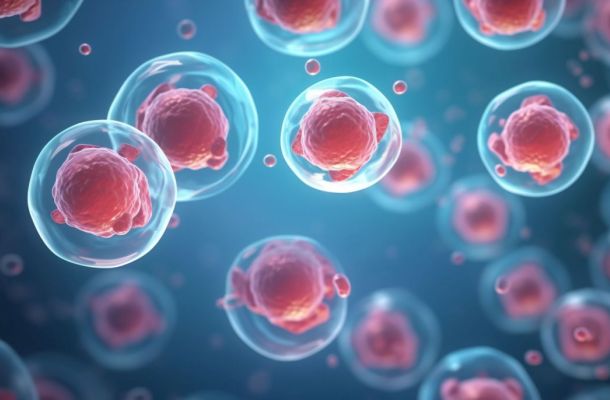
One of the most exciting areas of research is the use of stem cells to regenerate and rejuvenate the aging brain. While still in the early stages, studies have shown that stem cell therapies can reduce inflammation, stimulate the growth of new neurons and synapses, and even improve cognitive function in animal models of aging and Alzheimer’s disease.
Why Systemic Cellular Rejuvenation May Protect the Brain
Given the interconnectedness of the brain and the body, interventions that promote cellular health throughout the system may also have brain-protective effects.
Therapies like senolytics (which clear out aged, dysfunctional cells) and NAD+ enhancers (which support mitochondrial function) are showing promise for slowing the aging process at the cellular level, with potential benefits for the brain.
Stem Cell Banking: Preserving Your Biological Options for the Future
Treatments to slow brain aging are at the cutting edge of regenerative medicine, and the coming years and decades are likely to see promising treatments become more mainstream and new treatments emerge altogether. To make the most of emerging regenerative therapies, it is worth banking your stem cells as soon as possible, when they are at their youngest and most potent. Clinique Lémana offers stem cell banking for up to 30 years, saving your vital resource for when you need it.
A Practical Framework: What to Prioritize and When
With so many potential interventions and lifestyle changes to consider, it can be overwhelming to know where to start. Here’s a practical framework for prioritizing brain health at different stages of life.
The three levels of brain-protective action
Level
Category
Key actions
Evidence strength
Clinic relevance
Foundation (non-negotiable)
Lifestyle
Regular aerobic exercise, quality sleep, an anti-inflammatory diet, and stress management
Strong — multiple large RCTs
Retreat environment, structured recovery, movement programmes
Optimisation (high leverage)
Medical/metabolic
Systemic inflammation reduction, metabolic health monitoring, detoxification protocols, and hormonal optimisation
Moderate-strong — growing clinical evidence
Core clinic programmes: detox, cellular rejuvenation, medical monitoring
Stem cell aesthetic and rejuvenation programmes; 30-year banking
Why the Window to Act Is Now, Not When Symptoms Appear
The most important thing to understand about brain aging is that the earlier you start protecting your cognitive health, the better. Do not wait until you start noticing memory slips or other symptoms to take action. By the time these issues appear, the underlying damage may be too significant to reverse.
If you’re in your 30s or 40s, prioritize exercise, sleep, stress management, and a healthy diet. These foundational habits will set you up for better brain health in the decades to come.
If you’re in your 50s or 60s, it’s time to get more proactive. Consider adding targeted supplements, exploring regenerative therapies, and doubling down on cognitive engagement and new learning. This is also a good time to get a baseline cognitive assessment and start tracking your brain health over time.
If you’re in your 70s or beyond, it’s never too late to benefit from brain-healthy interventions. Focus on maintaining social connections, staying physically active, and enjoying mentally engaging activities whenever you can.
If you’re concerned about cognitive changes, don’t hesitate to talk to your doctor about additional testing and support.
Our Advanced Regenerative and Detox Treatments to Protect Your Body And Mind
At Clinique Lémana, we offer a range of cutting-edge treatments to support whole-body health and cognitive decline prevention.
Regenerative Therapies for Skin and Cellular Health
We offer multiple types of regenerative therapy to improve the health of your cells and restore them to full function.
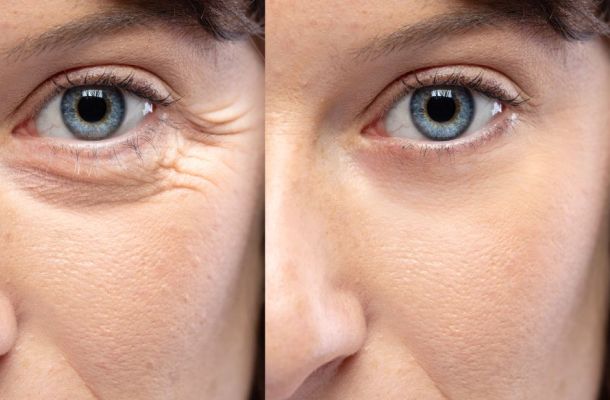
Stem cell-based skin rejuvenation works by using the potency of your stem cells to improve your skin’s ability to repair and regenerate itself, essentially encouraging it to behave the way it did when it was younger.
Exosomes are tiny molecular messengers that carry anti-inflammatory and regenerative signals between cells. When delivered into the skin, they can help calm chronic inflammation and promote tissue repair.
PRP (platelet-rich plasma) treatments use a concentrated sample of your own blood to stimulate the body’s natural healing processes. The platelets release growth factors that encourage tissue repair and cell turnover.
Longevity Retreats Focused on Cellular Rejuvenation
Clinique Lémana is based in the 5-star Mirador hotel, overlooking Lake Geneva, so it’s the perfect place to enjoy a longevity retreat. We offer:
Personalized anti-aging programs based on biomarker testing and an in-depth lifestyle assessment. Rather than offering generic wellness advice, these programs are based on your own body.
Medical detox and guided fasting protocols designed to support the body’s own cellular cleansing mechanism in safe conditions.
Preventive longevity medicine that shifts the focus from treating disease after it arrives to reducing the risk of getting ill in the first place.
Stem Cell Banking Up to 30 Years
We also offer stem cell banking for up to 30 years. It is hard to overstate the usefulness of stem cell preservation.
A single extraction can give you access to up to 30 years of regenerative treatments. Your stem cells are at their most potent right now. Banking them preserves that potential for future therapies, whether for injury recovery, disease treatment, or procedures that haven’t been developed yet.
Stem cell science and the regulations around it are evolving fast. Banking your own cells now means you’ll have access to them regardless of how the legal and regulatory landscape shifts in the years ahead.
FAQ: Brain Aging and Cognitive Longevity
At what age does brain aging actually start?
Brain aging is a gradual process that can start as early as our 30s or 40s, but the effects may not be noticeable until much later. The key is to start protecting your brain health early, before symptoms appear.
Is cognitive decline inevitable as I age?
While some degree of cognitive slowing is normal with age, severe decline is not inevitable. With the right lifestyle habits and interventions, many people can maintain sharp thinking skills well into their later years.
What is the single most important thing I can do for my brain health right now?
The most evidence-based intervention for brain health is regular exercise, particularly aerobic exercise. Aim for at least 150 minutes per week of moderate-intensity activity, like walking, swimming, or cycling.
How does the body’s overall inflammation level affect the brain?
Chronic, low-grade inflammation (known as inflammaging) can contribute to neuroinflammation and accelerate brain aging. Reducing systemic inflammation through diet, exercise, and targeted therapies may help protect the brain and support long-term brain health longevity.
Can stem cell banking protect me from future cognitive decline?
While stem cell therapies for brain aging are still in the early stages of research, banking your own stem cells now could give you access to these advanced treatments in the future as they become more widely available. It’s a way to preserve your biological options and potentially benefit from the latest regenerative medicine breakthroughs.