Exosome Scalp Therapy: The Non-Surgical Secret to Hair Density
1 July 2026
Hair loss can be one of the most visible and upsetting signs of growing older. There are topical and pharmaceutical treatments available, but the results are often underwhelming: some people are disappointed by what cosmetic products can actually deliver, while the side effects of medications like finasteride, which has been linked to depression and erectile dysfunction, can leave the cure feeling worse than the ailment itself.
Luckily, regenerative medicine offers a more promising alternative. Exosome scalp therapy is a non-surgical hair restoration approach to hair restoration that works at the cellular level, sending biological signals that encourage your follicles to regenerate and grow new hair.
In this guide, we’ll explore how exosome scalp therapy works, what the clinical evidence shows, and what you can expect from treatment at a specialist clinic.
Why Hair Density Declines and Why Most Treatments Miss the Point
To understand why exosome scalp therapy is so revolutionary, it helps to understand the underlying causes of hair loss.
The Biology of a Thinning Follicle
Hair grows from follicles, which work in cycles. In young people, follicles spend most of their time in an active growth phase known as anagen, before briefly resting in what is known as the telogen phase.
In androgenetic alopecia, the most common form of hair loss, this cycle gets disrupted by the hormone dihydrotestosterone (DHT), and the active phase progressively shortens, causing the follicles to shrink with each successive cycle. Part of the reason this happens comes down to communication: follicles are kept in their growth phase by a steady stream of chemical signals, growth factors, and other molecules exchanged between the cells in and around them. DHT disrupts these signals, so the affected follicles effectively stop receiving the instructions to grow.
What’s important to note is that the follicles don’t die; they simply spend more time switched off than they should. This is why regenerative approaches are so promising: if the follicles are dormant rather than gone, then hair follicle regeneration becomes possible.
Why Topical Treatments and Supplements Often Fall Short
Most conventional treatments only address part of the problem. Minoxidil helps by keeping follicles in their growth phase for longer and boosting blood flow to the scalp, while finasteride lowers levels of DHT, the hormone driving the miniaturization of follicles in the first place. Both can slow down hair loss and sometimes coax out a bit of regrowth, but neither does anything to restore the broken communication between cells that left those follicles dormant to begin with.
Another problem is that these treatments only work for as long as you keep taking them, and hair loss resumes when you stop taking them. The side effects also put a lot of people off, which is understandable when you learn that finasteride is linked to mood changes and sexual dysfunction.
This is the gap that exosome scalp treatment fills. It restores communication between cells, so that follicles return to their normal cycle.
What Are Exosomes and What Do They Have to Do With Hair?
Exosomes have become one of the most talked-about tools in regenerative medicine, studied for their potential to support healing and tissue repair throughout the body.
Cellular Messengers, Not Cells Themselves
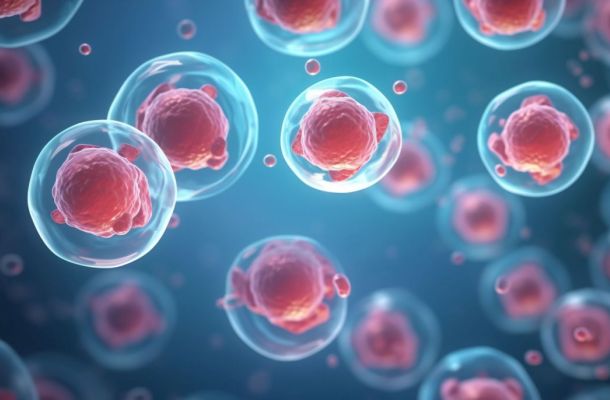
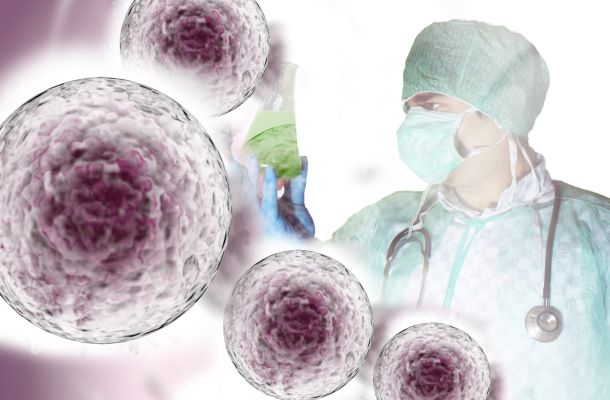
Exosomes are tiny vesicles that cells release to communicate with each other. They carry proteins, lipids, and genetic material that can influence how recipient cells behave.
Among the cells of the scalp, exosomes deliver signals to the follicles to return to their active phase, helping to restore the natural rhythm of the hair growth cycle that becomes disrupted with age.
How Exosomes Reach Hair Follicles and Wake Them Up
Exosome treatment injects exosomes into the scalp, where they are taken in and exchanged between cells in and around the hair follicles.
There, they release their cargo, which can include growth factors, microRNAs, and other molecules that regulate the hair growth cycle. By providing a fresh set of signaling molecules, exosomes kick-start follicles that have been stuck in the resting phase, restoring the natural cycle so that they can produce thicker, healthier hair and gradually restore hair density.
Stem Cell-Derived Exosomes: The Source Matters
For hair restoration, the most promising results come from exosomes derived from mesenchymal stem cells, which are known for their regenerative properties. The stem cells are extracted from a patient’s fat, then processed in a lab to isolate the exosomes.
What the Clinical Evidence Actually Shows
Exosome hair treatment is a relatively new approach to hair restoration, but the clinical evidence supporting its efficacy is already encouraging. Several studies have now demonstrated significant improvements in hair density and thickness after just a few sessions of exosome injections.
Hair Density Improvements: What Studies Measure and What Patients See
So far, the findings on exosome scalp therapy are very positive. In a 2022 analysis of 39 people with pattern hair loss, weekly scalp treatment with fat-derived stem cell exosomes increased hair density and thickness, with no adverse reactions. A second 2022 study of 31 patients given a single injection of bone-marrow-derived vesicles found that nearly two-thirds saw new growth, with responders gaining 11–24% more density over six months.
But researchers urge caution. A 2023 review concluded that the evidence, while promising, still lacks large randomized trials and that the lack of standardized exosome products makes results hard to compare across studies.
So far, we have early results from relatively few participants, and researchers describe the clinical data as preliminary. Large, long-term trials are necessary to confirm the findings.
Who Responds Best to Exosome Scalp Therapy
Exosome therapy can benefit both men and women with androgenetic alopecia. The best results are seen in those who start treatment early, before miniaturization has progressed too far. Patients with slight thinning respond better than those with extensive bald patches, as the therapy works by reactivating dormant follicles rather than creating new ones.
However, even patients with more advanced hair loss may see improvements in hair thickness and quality after exosome therapy.
Exosomes vs. PRP vs. Hair Transplant: An Honest Comparison
Criteria
Exosome Therapy
PRP Therapy
Hair Transplant
Approach
Regenerative/biological signaling
Regenerative/autologous growth factors
Surgical / follicle relocation
Invasiveness
Minimally invasive (injection or microneedling)
Minimally invasive (injection)
Surgical, with recovery
Source
Stem cell-derived (lab-grade)
Patient’s own blood
Patient’s own follicles
Sessions needed
1–2 (highly concentrated)
3–6 + maintenance every 6–12 months
1 procedure (often permanent)
Downtime
Minimal (hours)
Minimal (hours)
Days to weeks
Best for
Early–moderate thinning, follicle reactivation
Early thinning, maintenance
Advanced loss, bald zones
Visible results timeline
4–12 weeks; full results at 3–6 months
3–6 months
6–18 months (post-transplant growth)
Evidence status
Emerging, rapidly growing clinical data
Established, multiple randomized trials
Well-established, gold standard for advanced loss
What a Session at a Specialist Clinic Actually Involves
Here’s what to expect when getting exosome scalp therapy at a specialist clinic.
Before Your Session: Scalp Assessment and Protocol Design
Regenerative treatments work best when they take into account the patient’s individual situation. That’s why, before your first exosome injection, your doctor will take a detailed medical history and inspect your scalp and hair to understand the cause and extent of your hair loss. This process usually uses advanced imaging techniques such as trichoscopy to examine your hair follicles in detail.
During the Treatment: What to Expect
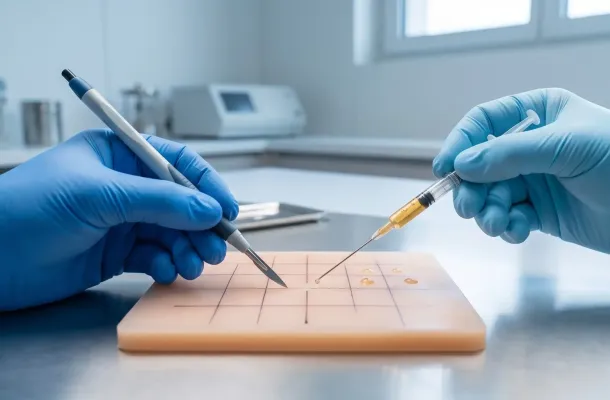
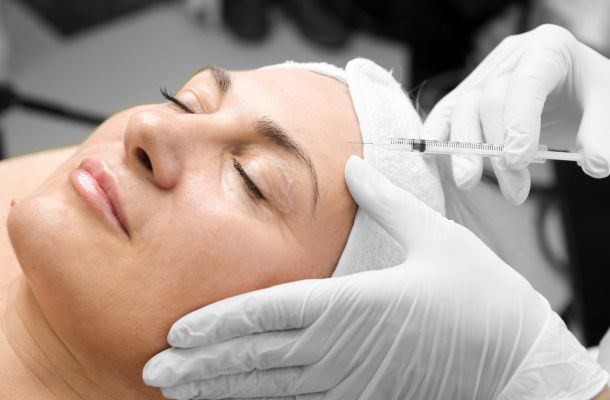
The actual exosome injection process is relatively quick and comfortable. Your doctor will use a fine needle to administer a series of injections across your scalp, focusing on the areas of thinning or hair loss. The injections are shallow, so you’ll feel only a mild pinching sensation. The whole procedure typically takes less than an hour, and you can return to your normal activities immediately afterward.
After: The Recovery Window and What to Watch For
There’s no significant downtime after exosome scalp therapy, since it is minimally invasive. However, some people experience mild tenderness at the injection sites for a day or two. Your doctor will provide you with detailed aftercare instructions, which will likely include avoiding harsh hair products for a few days.
Over the next several weeks, you’ll start to notice gradual improvements in hair thickness and density. Your doctor will schedule follow-up appointments to track your progress and recommend maintenance sessions as needed.
How Exosome Therapy Fits into a Complete Anti-Aging Approach
At Clinique Lémana, we know that the most impressive outcomes of regenerative treatments come when you combine different approaches, healing the body through different pathways. Exosome scalp therapy is no exception.
Combining Scalp Therapy with Broader Cellular Rejuvenation Protocols
One powerful combination is exosome therapy and stem cell therapy. Stem cells are the body’s master cells, capable of regenerating and repairing damaged tissues. When injected into the scalp, stem cells can help create a more favorable environment for hair growth by stimulating the production of new hair follicles and by reducing inflammation.
Maintenance and Long-Term Hair Preservation
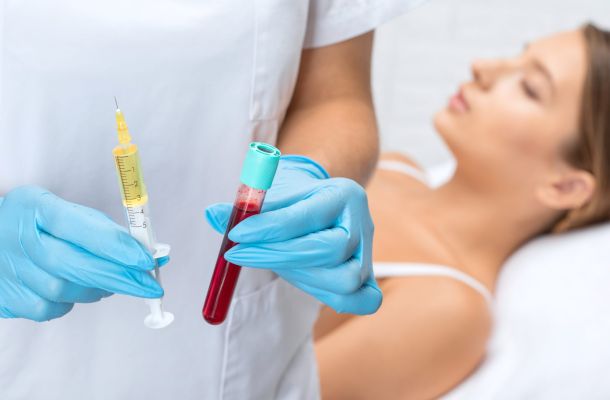
To maintain the results of exosome scalp therapy, touch-up treatments every six to twelve months are recommended. Your doctor may also suggest complementary treatments, such as platelet-rich plasma (PRP) therapy or low-level laser therapy (LLLT). PRP therapy involves injecting a concentrated solution of your own platelets, taken from a blood extract, into the scalp, while LLLT uses lasers to stimulate cellular activity in your scalp.
Is Exosome Scalp Therapy Right for You?
Exosome scalp therapy is a safe and effective option for many people with hair loss. Here’s a quick guide to help you work out if you are one of them.
Pick Exosome Scalp Therapy if…
You have mild to moderate androgenetic alopecia or diffuse thinning
You want a non-surgical, drug-free approach to hair restoration
You’re looking for a treatment that targets the underlying cellular processes of hair loss
You’re willing to commit to a series of treatments for optimal results
You’re in good overall health
Don’t Pick Exosome Scalp Therapy if…
You have extensive bald patches or advanced hair loss (in these cases, a hair transplant is a better option)
You’re looking for an instant, one-time fix (exosome therapy requires multiple sessions and has results that increase over a few weeks and months)
You have an active scalp infection or other contraindications to injection therapy
You have a history of keloid scarring or other abnormal healing responses
You’re pregnant or breastfeeding (the safety of exosome therapy in these populations has not been established)
If you’re not sure whether exosome scalp therapy is right for you, the best thing to do is schedule a consultation with a specialist provider. Get in touch with Clinique Lémana today, and a regenerative expert can recommend the most appropriate treatment plan for you.
FAQ: Exosome Scalp Therapy
How many sessions of exosome scalp therapy do I actually need?
For most patients, the ideal protocol is a series of three to six sessions spaced up to six weeks apart. Your doctor can recommend a personalized program based on your own needs and how you respond to treatment.
When will I start seeing results of scalp therapy?
It usually takes around six to eight weeks after the first session for improvements in hair thickness and density to become noticeable. The effects then intensify over the following 3 to 6 months.
Is exosome therapy safe?
Exosome therapy is a safe treatment as long as it is performed by a qualified medical professional using high-quality, lab-tested exosome preparations. As with any injection therapy, there is a small risk of side effects such as redness, swelling, or bruising at the injection sites.
How does exosome therapy compare to a hair transplant?
A hair transplant involves surgically redistributing existing hair follicles, while exosome therapy consists of injections. It is, therefore, less invasive and requires no downtime. Exosome therapy has very natural-looking results, but it may not be suitable for advanced hair loss.
Can women benefit from exosome scalp therapy, or is it mainly for men?
Both men and women with androgenetic alopecia or severe hair thinning can benefit from exosome scalp therapy. The underlying processes of hair loss are, in fact, similar between the two sexes.
Can I combine exosome scalp therapy with other treatments I’m already doing?
Yes, exosome scalp therapy can be safely combined with most other hair loss treatments, such as minoxidil, finasteride, PRP, or LLLT. In fact, combining different approaches can improve the overall results. However, it’s important to discuss your full treatment plan with your doctor to check that the therapies can be used safely and effectively together.