Mitochondrial Fatigue: How to Recover
Some tiredness has an obvious cause: a bad night’s sleep, a hard week at work, a long run. Other fatigue lingers no matter how much you rest. You wa…


Most of us will live longer than our grandparents did, but we won’t necessarily spend those extra years in good health. Across the world, people now live an average of 9.6 years with illness or disability at the end of their lives. This gap between how long we live and how long we stay healthy has widened over the past two decades.
Longevity medicine aims to narrow that gap. It looks closely at what is happening in your body early on, so that risks can be spotted while they are still small and addressed before disease appears. Each step follows a plan built around your own results.
The field has grown quickly, and with that growth has come a lot of hype. In this article, we’ll explain what longevity medicine actually involves, the benefits it can realistically offer, which treatments are backed by solid evidence, and how to choose a program you can trust.
Longevity medicine is still a young field, and there is no official definition. Most doctors who practice it agree on its core aims, though, and on what makes it different from the medicine most of us know.
Lifespan is the number of years you live. Healthspan is the number of years you spend in good health, free from serious disease and able to do the things you enjoy. Longevity medicine focuses on the second number. This idea is also at the heart of Clinique Lemana’s approach: “healthspan, not lifespan” has long been our motto.
In practice, that means using medical testing, lifestyle changes, and selected treatments to slow the processes that make us more likely to get sick as we age. Living to 100 is a bonus. The main goal is to stay strong, sharp, and independent for as long as possible.
Conventional medicine is very good at treating disease once it has appeared. You develop symptoms, you see a doctor, you get a diagnosis, and you receive treatment. Routine check-ups do look for early warning signs, but appointments are short and tend to focus on the problem in front of the doctor.
Longevity medicine starts earlier and goes into more detail. It looks for small shifts in your blood markers, fitness, and metabolism years before they would trigger a diagnosis, and it treats those shifts as something to act on. It also tends to be more personalized, with a plan built around your own data, and more focused on lifestyle as a form of treatment.
Longevity medicine overlaps with several other approaches, and the terms are often used interchangeably. They do have different emphases, though, which this table sums up.
| Approach | Main focus | Typical tools |
| Longevity medicine | Healthspan and early risk reduction | Biomarker testing, personalized plans, lifestyle medicine, selected therapies |
| Anti-aging medicine | Slowing visible and physiological aging | Aesthetic treatments, hormones, supplements |
| Functional medicine | Root causes of symptoms, individualized care | Extended lab work, nutrition, supplements |
| Preventive medicine | Population-level disease prevention | Screenings, vaccination, risk-factor control |
Researchers have identified a set of biological processes that drive aging. A landmark review in the journal Cell lists twelve “hallmarks of aging”, including damage to our DNA, worn-down cellular repair systems, and declining stem cells. Longevity medicine aims to slow these processes. Three of them, along with the metabolic and hormonal changes that come with age, come up again and again in practice.
As we age, some cells stop dividing but refuse to die. These senescent cells, often called “zombie cells,” linger in our tissues and release inflammatory signals that damage the healthy cells around them. In a young body, the immune system clears them away efficiently, but that process slows down with age, so they gradually build up.
Mitochondria are the tiny power plants inside our cells, turning the food we eat into usable energy. Their performance declines over time. In one study of 146 healthy adults aged 18 to 89, mitochondrial energy production in muscle fell with advancing age, and this decline was closely linked to lower aerobic fitness and poorer blood sugar control.
Short bursts of inflammation help us heal. Aging, however, is marked by a constant background inflammation that researchers call inflammaging. It causes few obvious symptoms, and over the years, it contributes to heart disease, metabolic disease, and cancer.
With age, the body becomes less efficient at managing blood sugar, muscle mass tends to shrink, and hormone levels shift, most noticeably during menopause in women and more gradually in men. These changes affect energy, body composition, sleep, and mood, and they raise the risk of conditions such as type 2 diabetes and osteoporosis.

Most longevity programs follow the same broad steps. You start with a thorough round of testing, and your doctor uses the results to build a plan around your needs. That plan usually combines lifestyle changes with a few targeted treatments, and your progress is checked regularly so the plan can be adjusted along the way.
Everything starts with understanding where you are now. This baseline allows your doctor to spot early risks and, later on, to measure whether your plan is working.
Your blood can tell your doctor a lot about how well your body is working. A longevity panel looks at blood sugar control (HbA1c and fasting insulin), cholesterol and other blood fats, inflammation (CRP), and how your liver and kidneys are doing. These markers often start to shift long before any symptoms appear, which gives you time to act early.
Hormones such as thyroid hormones, cortisol, testosterone, and estrogen shape your energy, mood, metabolism, and body composition, so your doctor will check that they are in a healthy range. The same goes for vitamins and minerals like vitamin D, B12, iron, and magnesium. Deficiencies are common, and most are easy to correct once you know about them.
Your heart is checked with a blood pressure reading, an ECG, and sometimes a scan of the arteries, and short cognitive tests give your doctor a baseline for your memory and processing speed. You may also have a fitness test to measure your VO2 max, which is the maximum amount of oxygen your body can use during hard exercise. It’s a number worth knowing, because low cardiorespiratory fitness has been linked to a higher risk of death than smoking or diabetes.
Genetic testing is most useful when it looks for specific inherited conditions, such as those that raise your risk of heart disease or certain cancers. Broader genetic “risk scores” are less dependable, and so far they have performed poorly at predicting common diseases. Biological age tests, which estimate how old your body is at a cellular level, are still experimental, and a major stress on the body, such as surgery or a severe infection, can temporarily push the result up, so your doctor will treat them as one clue among many.
Once your results are in, your doctor turns them into a plan, based on your body’s needs and your priorities. A good plan should be specific and realistic, and focus on clear, actionable steps
instead of a long list of everything you could possibly change.
The plan is then put into action through a combination of lifestyle changes and, where appropriate, medical treatments. Lifestyle comes first, because that’s where the strongest evidence lies, with treatments added to target specific needs.

Diet is one of the most powerful tools for long-term health. A longevity plan usually centers on whole foods, plenty of plants, enough protein to protect muscle, and limited ultra-processed food. Micronutrition then fills any specific gaps your tests have revealed, so you take what your body actually needs.
Sleep is when the body repairs itself, and chronic stress keeps it locked in a state that accelerates wear and tear. Your plan may include a regular sleep routine, techniques to lower stress, and time set aside for genuine recovery.
Exercise is the closest thing we have to a longevity drug. A good program combines cardiovascular training to build fitness with strength training to preserve muscle, which naturally declines with age and is essential for staying strong and independent later in life.
Some programs include medically supervised fasting. In animal studies, fasting switches on the body’s cellular clean-up processes, though evidence that this happens in people is still limited. Detox support aims to lighten the load on your body through nutrition and lifestyle changes. Both should be adapted to your health and carried out under medical supervision.
Cell revitalization treatments have been part of Swiss longevity medicine for decades. They are offered as part of some holistic programs to support overall vitality, and a doctor should advise on whether they are suitable for you.
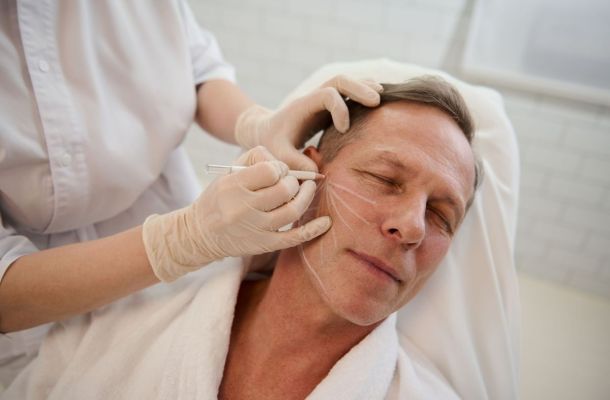
Regenerative treatments, such as stem cell therapies, exosomes, and platelet-rich plasma (PRP, a concentrate made from your own blood), aim to support the body’s own repair processes. In longevity programs, they are often used to rejuvenate skin and tissues, and they should always be performed in a regulated medical setting.
When tests reveal a genuine hormone imbalance or deficiency, targeted treatment can make a real difference. Hormone therapy for menopausal symptoms is one example. However, these treatments should follow a confirmed need, and always be prescribed and monitored by a doctor.
Longevity medicine is an ongoing process. Follow-up tests, usually every few months to once a year, show what is improving and what needs more attention. Your plan is then adjusted based on your results, so it evolves as your body does.
The benefits of longevity medicine build gradually, and most of them come from catching problems early and making well-targeted changes. Here is what you can realistically expect.
Many serious conditions, including heart disease, type 2 diabetes, and some cancers, develop silently for years before they cause symptoms. Detailed testing can pick up the early signs, such as rising blood sugar or creeping blood pressure, while they are easier to treat and, in some cases, reverse.
By slowing the processes that lead to chronic disease, longevity medicine aims to extend the number of years you spend feeling well. The goal is to stay active, independent, and healthy well into later life.

Correcting a deficiency, improving sleep, and lowering chronic stress often bring noticeable improvements in day-to-day energy. Many people find these are the first benefits they feel, often within weeks.
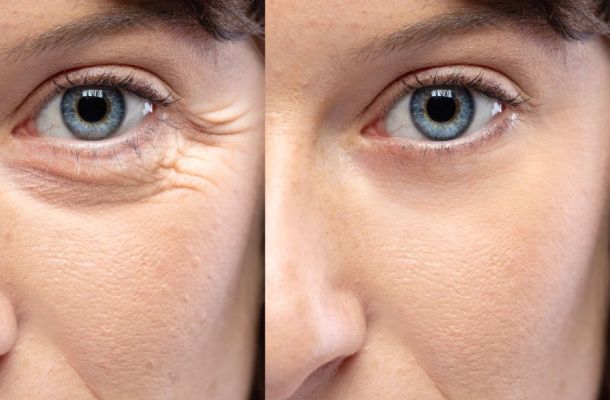
The same processes that age your body also show on your skin. Better nutrition, sleep, and metabolic health support healthier skin, and regenerative treatments can work directly on skin quality and firmness for more visible results.
Brain health benefits from the same foundations as the rest of the body. In the FINGER trial, a two-year program of diet, exercise, brain training, and heart-health monitoring improved overall cognitive performance in 1,260 older adults at risk of dementia.
A longevity plan typically aims to preserve muscle, reduce harmful visceral fat (the fat stored around your organs), and improve blood sugar control. These changes lower your risk of diabetes and heart disease, and they make it easier to stay strong and mobile as you age.
Generic health advice is written for the average person. A longevity plan is built around your own test results, history, and goals, which means you can focus your time and money on the changes most likely to make a difference for you.
Img: sport longevity.webp
Longevity medicine draws on a mix of well-established science and treatments that are still being studied. Knowing which is which is the best way to protect yourself from hype and make good decisions.
The interventions with the strongest evidence are, perhaps surprisingly, the most familiar ones. They have been studied in large numbers of people over many years.
Physical fitness is one of the strongest predictors of a long, healthy life. In the large study of more than 122,000 patients mentioned above, the risk of death fell steadily as fitness rose, with no upper limit to the benefit.
A healthy diet protects against many age-related diseases. In the PREDIMED trial of 7,447 people at high risk of heart disease, a Mediterranean diet supplemented with olive oil or nuts led to around 30% fewer cardiovascular events than a low-fat control diet.
Sleep duration is closely linked to long-term health. A meta-analysis of more than 1.3 million people found that short sleepers had a 12% higher risk of death than people who slept a healthy amount. Regularly sleeping much longer than average was linked to an even higher risk (30%), which may partly reflect underlying health problems.
Standard screening, for example, for high blood pressure, high cholesterol, diabetes, and certain cancers, catches problems early, when they are easiest to treat. It is less exciting than newer tests, but it remains one of the most reliable tools for protecting your health.
Treating the risk factors that screening uncovers saves lives. In the SPRINT trial of more than 9,300 adults aged 50 and older with high blood pressure and no diabetes, aiming for a systolic target below 120 mm Hg, compared with 140, cut cardiovascular events such as heart attacks, heart failure, and strokes by 25% and deaths by 27%.
Several newer treatments show real promise in the lab and in early human studies. They aren’t yet proven to extend healthy life in people, so they belong in a medical setting and should be used with care.
Senolytics are drugs designed to clear senescent “zombie” cells. Results in humans are still emerging. In a 20-week trial of 60 postmenopausal women, a senolytic combination missed its main goal and caused only a short-lived rise in a marker of bone formation. Women with high levels of senescent cells responded better, including a gain in wrist bone density, which suggests these drugs won’t work the same way for everyone.
Eating fewer calories has been shown to slow aging in animals, and caloric restriction mimetics are drugs that try to reproduce some of those effects without the strict diet. Metformin, a diabetes drug, is the best known.
Stem cell and exosome treatments aim to repair tissue and reduce inflammation. They show promise for rejuvenating skin and tissues, but their effect on overall longevity hasn’t been established.
Some popular parts of the longevity world have run ahead of the evidence. Some of them may still be useful, though it’s worth being cautious about how much weight you give them.
Biological age tests can be useful for tracking trends, but they aren’t approved medical diagnostics, and there is no agreed “normal” range. Different tests can also give different answers for the same person. A single result shouldn’t drive major decisions on its own.
Taking a dozen supplements a day is common in longevity circles, but the evidence doesn’t support it for most people. The US Preventive Services Task Force found the evidence too limited to recommend for or against multivitamins for preventing heart disease or cancer, and it advises against beta carotene and vitamin E supplements. Supplements are most useful when they correct a deficiency that a test has confirmed.
This table sums up where each approach stands today, and the role it can realistically play in a longevity program.
| Approach | Evidence level | Realistic role |
| Exercise, sleep, nutrition, stress management | Strong | Foundation of any program |
| Standard screening and risk-factor control | Strong | Early detection and prevention |
| Targeted micronutrient correction | Good when a deficiency is confirmed | Personalized support |
| Senolytics and mimetics | Emerging | Research stage, medical oversight only |
| Stem cells and exosomes | Emerging for longevity outcomes | Regenerative and rejuvenation support |
| Biological age tests | Limited as stand-alone measures | Optional tracking tool |
Longevity medicine can benefit a wide range of people, but it isn’t the right starting point for everyone. Here is how to tell whether it suits you now.
Longevity medicine is often most useful for people in their 30s to 60s who feel reasonably well and want to stay that way. It suits people with a family history of heart disease, diabetes, or dementia, those who feel their energy or fitness slipping, and anyone who wants a clear, data-based picture of their health and a plan to act on it. The earlier you start, the more room there is to prevent problems before they appear.
If you have new or worrying symptoms, such as chest pain, unexplained weight loss, or a lump, see your doctor first. The same applies if you have an existing condition that needs active treatment. Longevity medicine works best alongside conventional care.

Getting started is straightforward, but the choices you make at the beginning shape everything that follows. These are the steps to take.
The quality of longevity clinics varies a lot, so it’s worth taking the time to choose carefully. Look for a clinic that is open about what it offers and the evidence behind it.
A good clinic is led by qualified doctors and operates under strict medical regulation. It starts with a thorough assessment, explains its recommendations clearly, and is honest about which treatments are proven and which are still emerging. It should also offer follow-up, so your plan can be adjusted over time.
Your first step with a clinic should be a comprehensive medical assessment. This gives your doctor the baseline they need to understand your health, spot early risks, and design a plan that fits you.
The real results come from what you do day after day. A residential program can give you a strong start, but the habits you build there, from sleep and nutrition to exercise, need to continue once you return home. A good clinic will give you clear guidance for this and check in on your progress.
Because longevity medicine is popular and loosely regulated in some countries, marketing can be misleading.
It’s tempting to focus on getting your biological age down, but these tests are imperfect, and a single result can be misleading. Focus instead on the measures that matter most for your health, such as fitness, blood pressure, blood sugar, and how you feel day to day.
A program that sells everyone the same large bundle of supplements, regardless of their test results, is putting marketing ahead of medicine. Supplements should be chosen to fix a specific, confirmed need.
Any treatment, from hormones to regenerative therapies, should follow a thorough medical assessment. Starting without one risks treating the wrong problem or causing harm.
Advanced treatments can’t make up for poor sleep, inactivity, or an unhealthy diet. The fundamentals have the strongest evidence behind them, and every other intervention works better when they are in place.
Longevity treatments should be prescribed and supervised by qualified doctors who can monitor your response and adjust your plan safely. Wellness centers without medical oversight can’t offer this.
Some clinics around the world offer stem cell or exosome treatments without proper regulation. These products may not be what they claim to be, and they can carry serious safety risks. Choosing a clinic in a country with strict medical regulation such as Switzerland helps protect you.

Clinique Lemana has been practicing anti-aging and revitalization medicine since 1952. Our programs are designed and supervised by doctors and longevity experts.
Clinique Lemana is located in a five-star hotel in the Lavaux vineyards, overlooking Lake Geneva. Away from the demands of daily life, you can focus fully on your health and enjoy our vast wellness area, nourishing meals prepared by our chefs, and medical-grade facilities on site.
Every program begins with a complete medical check-up, which can include epigenetic testing. Our doctors use these results to understand your health in detail and design a program around your specific needs and goals.
Good sleep is one of the foundations of healthy aging. Your program is built around a regular rhythm of rest, meals, and activity, giving your body the chance to restore a healthy sleep pattern.
Our detox programs are designed to support your digestive system and reduce the burden on your body. They are adapted to your health and supervised by our medical team.
Clinique Lemana has offered cell revitalization treatments since it was founded. They form part of our holistic programs to support overall vitality, and our doctors can advise on whether they are right for you.
Based on your test results, our team designs a nutrition plan that corrects any deficiencies and supports your long-term health. The plan is tailored to your body’s needs, so you can keep following it once you return home.
Therapeutic fasting can support the body’s natural repair processes. Every fasting protocol at Clinique Lemana is adapted to your health and carried out under close medical supervision.
During your stay, you can also benefit from our regenerative and aesthetic treatments, including PRP and stem cell therapies using your own cells. Clinique Lemana also offers stem cell banking for up to 30 years, so you can preserve your cells at a younger biological age for future treatments.
A typical stay begins with your medical assessment, followed by a tailored combination of treatments, nutrition, rest, and activity. Before you leave, our team gives you clear recommendations to continue at home. Follow-up allows us to review your progress and adjust your plan as your needs change.
Longevity medicine aims to help you stay healthy for longer by catching risks early and acting on them with a plan built around your own data. The strongest evidence supports the fundamentals: exercise, nutrition, sleep, screening, and controlling risk factors. Newer treatments are promising, but they belong in a regulated medical setting.
At Clinique Lemana, we combine both in programs tailored to you. Get in touch to discuss the right longevity program for your goals.
Longevity medicine is a branch of medicine focused on keeping you healthy for as long as possible. It uses detailed testing to find early risks, then a personalized plan of lifestyle changes and treatments to slow age-related decline before disease appears.
Both exist. The foundations, such as exercise, nutrition, sleep, screening, and risk-factor control, are backed by strong evidence. Some newer tests and treatments are still unproven. A reputable clinic will be honest about the difference and work under medical supervision.
Anti-aging medicine often focuses on slowing visible signs of aging, such as skin changes. Longevity medicine has a broader aim: extending the years you spend in good health by reducing your risk of disease. Many programs combine elements of both.
There is no fixed age, but many people start in their 30s or 40s, when early risks can often be spotted before they cause problems. It’s never too late to benefit, though, since improving fitness, sleep, and nutrition helps at any age.
It can lower your risk of diseases that shorten lives. Exercise, a healthy diet, and controlling blood pressure are all linked to lower mortality in large studies. No treatment can guarantee a longer life, but these changes improve your odds.
Costs vary widely according to the offered treatment which can range from a single consultation with blood work to a residential program lasting a week or more. A reputable clinic should give you a clear quote after your initial assessment.