
Longevity Medicine: What It Is and Its Benefits
Most of us will live longer than our grandparents did, but we won’t necessarily spend those extra years in good health. Across the world, people now…


Some tiredness has an obvious cause: a bad night’s sleep, a hard week at work, a long run. Other fatigue lingers no matter how much you rest. You wake up drained, your muscles feel heavy after modest effort, and even thinking clearly takes energy you don’t seem to have.
When fatigue like this has no clear explanation, attention often turns to the mitochondria, the tiny structures that produce almost all of the energy your cells use. Mitochondrial fatigue is exhaustion that comes from the very root of the body’s energy supply. Although it isn’t a formal medical diagnosis, it comes with a pattern of symptoms, as well as causes that can be identified and treated.
In this article, we’ll explain how mitochondria make your energy, how mitochondrial fatigue differs from other kinds of exhaustion, what causes it, which tests are worth doing, and the steps that help you recover.
To understand mitochondrial fatigue, you need to start with understanding what mitochondria do.
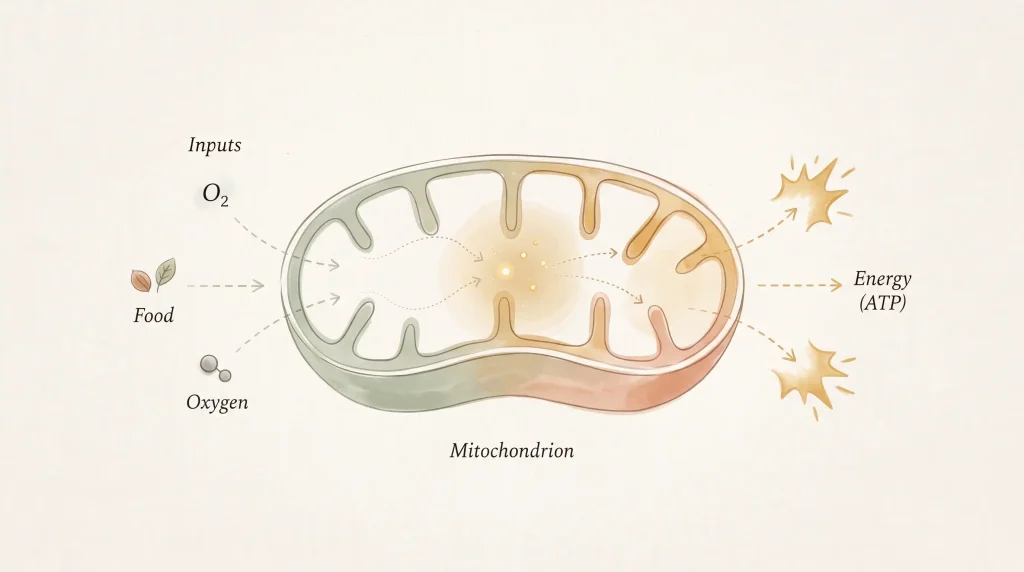
At school, you may have learned the phrase: “mitochondria are the power plants of the cell”. They take the fuel from the food you eat, combine it with the oxygen you breathe, and turn it into a molecule called ATP (adenosine triphosphate), which is the energy your cells use to do their work. This process meets around 90% of the body’s energy needs.
Organs with high energy demands, such as the heart, brain, muscles, liver, and kidneys, are especially rich in mitochondria. That is why problems with energy production tend to show up first as physical exhaustion, muscle weakness, and brain fog.
Mitochondrial fatigue should not be confused with mitochondrial disease, which is a rare and chronic condition.
Primary mitochondrial disease is caused by mutations in the genes that control how mitochondria work. It is rare: a large population study estimated that at least 1 in 4,300 adults have it or are at risk of it, and it usually involves several organs at once. Symptoms can include muscle weakness, vision or hearing problems, heart problems, and seizures. It often starts in childhood or runs in families, and it needs specialist diagnosis and care.
Secondary mitochondrial dysfunction is far more common. Here, the mitochondria are genetically normal, but something is getting in the way of their work, such as chronic stress, poor sleep, a nutrient deficiency, an infection, or certain medications. This is what most people mean by mitochondrial fatigue, and because the cause lies outside the mitochondria, it can often improve once that cause is addressed.
Several conditions cause long-lasting exhaustion, and their symptoms overlap a lot.
| Type of fatigue | What it typically feels like | Key clue |
| Mitochondrial fatigue (descriptive) | Low physical and mental energy, slow recovery | Crashes after modest effort |
| Burnout | Exhaustion and detachment linked to work | Tied to a stressful job or role |
| Nervous system dysregulation | Tired but wired, or flat and numb | Poor sleep, anxiety, easily triggered |
| ME/CFS | Severe fatigue that is not relieved by rest | Post-exertional malaise lasting for months |
| Primary mitochondrial disease | Muscle weakness and multi-organ symptoms | Often starts early and runs in the family |

Because mitochondria power every cell, the symptoms of mitochondrial fatigue can show up across the whole body. These are the most common signs.
The biggest sign of mitochondrial fatigue is tiredness that a good night’s sleep or a restful weekend doesn’t fix. You may feel as though you’re running on a low battery all the time, even on days when you haven’t done much.
Many people find that physical or mental effort leaves them more drained than they should. A walk, a workout, or a demanding day at work can trigger a crash that lasts days or even weeks. This pattern, known as post-exertional malaise, can also be a sign of ME/CFS and long COVID, and often warrants a medical evaluation before pushing yourself harder.
The brain and muscles are among the most energy-hungry tissues in the body, so they are often affected first. Brain fog can make it hard to concentrate, find words, or remember things. Muscles may feel weak or heavy, and they can take longer than usual to recover after effort.
Fatigue and poor sleep tend to feed each other. Many people with mitochondrial fatigue find their sleep is light, broken, or unrefreshing, so they wake up feeling as tired as when they went to bed.
Living with constant exhaustion takes an emotional toll. Low mood, irritability, and reduced motivation are common, and they can make it harder to keep up the habits that support recovery.
Immune cells need plenty of energy to do their job. When your energy reserves are low, you may find that you catch colds more often or take longer to recover from them.
Fatigue can be a symptom of many medical conditions, some of which need prompt treatment. It’s always worth seeing a doctor before assuming your mitochondria are the cause.
See a doctor if your fatigue comes with unexplained weight loss, fever or night sweats, shortness of breath, chest pain, fainting, or new muscle weakness. Changes in vision or hearing, or a family history of mitochondrial disease, also need specialist assessment. If your low mood is severe or you have thoughts of self-harm, contact emergency services or a crisis line straight away.
Several common conditions cause fatigue very similar to mitochondrial fatigue. These include anemia and iron deficiency, an underactive thyroid, diabetes, vitamin B12 or vitamin D deficiency, sleep apnea, depression, and the side effects of some medications. Simple blood tests can rule many of them out, so you can treat the right problem.

Mitochondrial fatigue usually has more than one cause. It tends to develop when several stresses on the body occur at the same time, leaving the mitochondria unable to keep up with demand.
Long-term stress keeps the body in a state of high alert, which raises its energy demands and increases oxidative stress, a type of chemical damage that can harm mitochondria. Poor sleep makes the problem worse, since sleep is when the body carries out much-needed repair work.
Mitochondria need a steady supply of nutrients to make energy, including iron, B vitamins, and magnesium. Low levels can slow energy production down. Unstable blood sugar, from skipped meals or a diet heavy in refined carbohydrates, can also leave you swinging between energy highs and crashes.
Some people experience lasting fatigue after a viral infection. In a 2024 study of 25 people with long COVID and 21 healthy volunteers, muscle samples showed lower mitochondrial energy capacity in the long COVID group, and after a short exercise test, their muscles showed signs of damage that the volunteers’ did not. This may help explain why effort can leave them so exhausted.
Some medications can affect mitochondria. For example, statins, used to lower cholesterol, can reduce the body’s levels of coenzyme Q10, a molecule mitochondria need to make energy, and some antibiotics, such as aminoglycosides and tetracyclines, and the anticonvulsant valproate have also been linked to mitochondrial effects. Never stop a prescribed medication on your own, though. Talk to your doctor if you’re concerned. Environmental toxins, heavy alcohol use, smoking, and chronic inflammation can also add to the strain on your mitochondria.
Mitochondrial function naturally declines with age. In a study of 146 healthy adults aged 18 to 89, mitochondrial energy production in muscle fell with advancing age. This decline was closely associated with lower aerobic fitness, and exercise studies suggest that staying active can help preserve mitochondrial function.

There is no simple blood test for mitochondrial fatigue, so diagnosis usually works by building up a picture and ruling out other causes. These are the tests most likely to help.
The most useful first step is a set of standard blood tests. These usually include a full blood count to check for anemia, iron stores (ferritin), thyroid function, blood sugar, vitamin B12, vitamin D, and markers of inflammation and liver and kidney function. They can uncover common, treatable causes of fatigue.
When a primary mitochondrial disease is suspected, specialists may order further tests. These can include blood lactate (a byproduct that builds up when energy production is struggling), urine organic acids, genetic testing of mitochondrial and nuclear DNA, and sometimes a muscle biopsy. Exercise testing, such as cardiopulmonary exercise testing, can show how your body produces energy under effort, though it should be done with care if you experience post-exertional crashes.
Even for primary mitochondrial disease, experts note that diagnosis remains challenging and often costly, because there are still no sufficiently sensitive and specific markers. For the far more common secondary dysfunction, specialized tests are rarely needed and can be hard to interpret, since abnormal results can also appear in many other conditions.

Recovering from mitochondrial fatigue is about removing the stresses that are draining your energy and giving your body what it needs to rebuild.
These everyday changes are simple, but together they can make a real difference to your energy levels.
Your body runs on an internal clock, known as the circadian rhythm, which regulates when you feel alert and when you feel sleepy. Going to bed and waking up at the same time each day, getting daylight in the morning, and keeping evenings dim and screen-free all help keep this clock on track and improve the quality of your sleep.
Regular meals built around protein, vegetables, whole grains, and healthy fats give your mitochondria a steady supply of fuel. They also help keep your blood sugar stable, avoiding the spikes and crashes that leave you drained. A varied diet of whole foods also provides the vitamins and minerals your mitochondria rely on.
Exercise is one of the most effective ways to build healthier mitochondria. In one study, interval training increased mitochondrial capacity by 49% in younger adults and 69% in older adults. If you’re experiencing crashes after effort, though, start very gently, with short walks or light stretching, and increase gradually. If even small efforts make you worse, stop and speak to a doctor before doing more.
Chronic stress increases the energy demands on your body. Slow breathing, time outdoors, gentle movement, and dedicated time to rest can all help calm your nervous system and lower that load.
Alcohol and smoking both increase oxidative stress, which can damage mitochondria. Cutting back, along with reducing your exposure to environmental pollutants where you can, lowers the burden on your cells and gives them a better chance to recover.
If daily changes aren’t enough, professional support can help identify what’s driving your fatigue and treat it directly.
The most important step is finding and treating the underlying cause. That might mean correcting a deficiency, treating a thyroid problem, managing sleep apnea, or reviewing medications.
A doctor can use your blood test results to recommend specific nutrients at the right doses. This targeted approach is safer and more effective than taking a broad range of supplements at random.
Cell revitalization treatments have been offered in Swiss clinics for decades as part of programs to support overall vitality. Their effects on mitochondrial fatigue haven’t been established in clinical trials, so a doctor should advise on whether they are suitable for you.

Many supplements are marketed for mitochondrial health, but the evidence behind them varies a lot.
Coenzyme Q10 (CoQ10) is a molecule mitochondria use to produce energy. A meta-analysis of 13 trials with 1,126 participants found that CoQ10 supplements modestly reduced fatigue compared with placebo.
NADH is a related molecule involved in energy production. In a 12-week trial of 207 people with ME/CFS, fatigue scores fell in the group taking CoQ10 and NADH, but the trial did not clearly show a benefit over placebo.
Correcting a confirmed deficiency is the most reliable way supplements can help. In a trial of 198 women with unexplained fatigue and low iron stores but no anemia, iron supplements reduced fatigue by 47.7%, compared with 28.8% for placebo.
Correcting low levels of vitamin B12, magnesium, or vitamin D can also help, although the evidence on fatigue is less direct, and it only applies when you are actually deficient.
L-carnitine helps transport fats into mitochondria to be burned for energy, and alpha-lipoic acid is an antioxidant involved in energy metabolism. Evidence for both is limited: a review of carnitine for cancer-related fatigue found that the better-quality studies didn’t support it.
NAD+ precursors, such as nicotinamide riboside, can raise NAD+ levels in the body, but a 2023 review concluded that their effect on physiological function is still unclear.
Supplements work best when they correct a specific problem. Taking them without preliminary testing can mean spending money on things you don’t need, missing the real cause of your fatigue, or, in the case of iron, taking too much, which can be harmful. Testing first lets you target the supplements that will actually help.
This table sums up where the main supplements stand today and the role they can realistically play.
| Approach | Evidence level | Realistic role |
| Correcting a confirmed deficiency (iron, B12, vitamin D, magnesium) | Strong when a deficiency is present | First-line, guided by blood tests |
| CoQ10 and NADH | Mixed, small studies | Optional, with medical advice |
| L-carnitine, alpha-lipoic acid, NAD+ precursors | Emerging | Individual cases, medical oversight |
| Large generic supplement stacks | Limited | Not recommended without testing |
Recovery from mitochondrial fatigue can stall because of a few common habits. Avoiding them can make a big difference to how quickly you feel better.
When you’re exhausted, it’s tempting to push through with a hard workout or another coffee. For an energy system that’s already struggling, this can deepen the deficit and lead to a bigger crash.
Buying a long list of supplements without testing what you actually need can be a mistake. It’s safer and more effective to find out what you are actually lacking.
Prolonged fasting and intense detox programs place extra demands on the body. If you’re already depleted, they can make fatigue worse. Any fasting or detox protocol should be adapted to your health and carried out under medical supervision.
Primary mitochondrial disease is rare and requires specialist testing to diagnose. Assuming you have it based on online symptom lists can lead to unnecessary worry and delay the diagnosis of a more common, treatable cause.
Supplements and treatments can’t make up for poor sleep or relentless stress. Addressing these two factors is often the single biggest step toward restoring your energy.
Many people put up with fatigue for months before seeking help. If your fatigue has lasted more than a few weeks without a clear reason, a medical check-up can uncover a treatable cause and get your recovery started sooner.

For people whose fatigue hasn’t improved with general rest and self-care, a stay at our clinic can give your body the support it needs, and that you aren’t able to get in your everyday life.
Clinique Lemana is located in a five-star hotel in the Lavaux vineyards, overlooking Lake Geneva. You can rest away from the demands of daily life, with a wellness area and nourishing meals prepared by our chefs, while our medical team supervises your care throughout your stay.
Your stay begins with a complete medical check-up, including blood tests to assess your micronutrient levels. These results help our doctors understand what’s driving your fatigue and tailor your program to your specific needs.
Restoring healthy sleep is central to recovery. Our programs are built around a regular rhythm of rest, meals, and gentle activity, helping your body rediscover a healthy sleep pattern.
Clinique Lemana has offered cell revitalization treatments since it was founded in 1952. They form part of our holistic programs to support overall vitality, and our doctors can advise on whether they are suitable for you.
Based on your test results, our team designs a nutrition plan that corrects any deficiencies and supports steady energy. The plan is tailored to your needs, so you can keep following it once you return home.
Our detox programs are designed to support your digestive system. Our medical team can supervise and adapt plans to your energy levels.
Therapeutic fasting can support the body’s natural repair processes, but it isn’t right for everyone, especially when you’re already depleted. Our doctors only recommend it when it’s appropriate for you, and every protocol is carried out under close medical supervision.
Fatigue often shows on the skin as well. During your stay, you can also benefit from our regenerative and aesthetic treatments, including PRP and stem cell therapies. Clinique Lemana also offers stem cell banking for up to 30 years, so you can preserve your cells at a younger biological age for future treatments.
Mitochondrial fatigue describes exhaustion that seems to come from the body’s energy supply, and it usually has causes that can be identified and treated, from nutrient deficiencies and poor sleep to chronic stress and post-viral illness. The table below can help you work out the best next step.
| Situation | Best next step |
| Tired for a few weeks, otherwise healthy | Sleep, regular meals, gentle movement, stress reduction |
| Fatigue for more than 3 months | Medical check-up, blood work, review of medications and supplements |
| Crashes after small efforts | Pacing and a doctor’s evaluation, avoid pushing exercise |
| Self-help is not enough | Structured, supervised recovery program |
| Muscle weakness, vision or hearing changes, or family history | Specialist evaluation for primary mitochondrial disease |
If your fatigue has lasted for months, our team at Clinique Lemana can help. Get in touch to discuss a recovery program tailored to you.
The main symptom is persistent fatigue that rest doesn’t fix. Others include crashes after physical or mental effort, brain fog, muscle weakness, slow recovery, poor sleep, and low mood. Because these overlap with many conditions, a medical check-up is important.
No. Mitochondrial fatigue is a general description of low energy, often with a treatable cause. Chronic fatigue syndrome (ME/CFS) is a specific diagnosis requiring multiple symptoms lasting at least three months. A doctor can help tell them apart.
Some people have a delayed crash after physical or mental effort, called post-exertional malaise. Its causes aren’t fully understood, but problems with energy production in the muscles may play a part. Start very gently and see a doctor before increasing activity.
It depends on the cause. Fatigue linked to a deficiency or poor sleep can improve within weeks once treated. Post-viral or long-standing fatigue often takes months, and recovery is rarely a straight line, so steady habits matter.
Secondary mitochondrial dysfunction often improves with better sleep, balanced nutrition, gradual exercise, less stress, and treatment of any deficiency. Primary mitochondrial disease is genetic and can’t be reversed this way, though specialist care can help manage it.
There is no single best supplement. Correcting a confirmed deficiency, such as iron, B12, or vitamin D, has the strongest evidence. CoQ10 shows modest benefits in some studies. Testing what nutrients you are lacking is the first, unmissable step to choosing supplements that will actually help.